
With the implementation of the Income Tax Act 2025, India will transform with a single digit income tax from the outset of April 1, 2026. The new regime replaces the outdated Income Tax Act 1961 for simple and fast procedures and to put India on the road to digital economy.

A Simple and Modern Tax Model
The new Law is considerably simpler than in the past. The tax system was already so complex over time; it included many sections to be read and changes needed but could in turn entail a great deal of unnecessary paperwork that was cumbersome for taxpayers with the old system. With clear language and tighter organization and easy-to-understand structures (and new forms of tax documents) as the goal of this model this is going to be made even easier.
Shift Towards Digital Compliance
The new law puts a sharp emphasis on digital integration. Tax systems will depend heavily on banking data and PAN and financial transactions. Tax returns and tracking them automatically will be common among income tax returns and a form of reporting that is both simpler to file and more accountable.
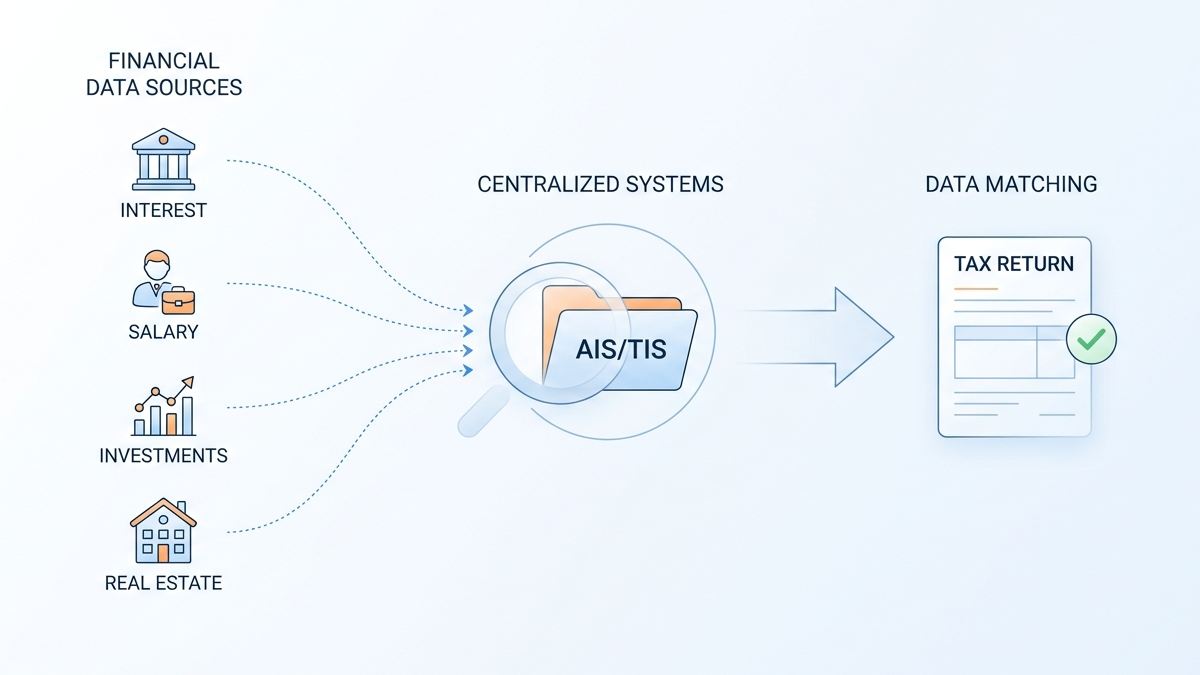
For this is to note that taxpayers must make sure that their reported income matches financial data which are already available with government authorities.
Thereby we believe the new tax regime is taking priority.
Default Regime and Reduced Exemptions
The government will use the new tax regime as the default option. But it will reduce deductions and exemptions which had been available before, while the taxes are lower than for 80C and 80D.


In terms of the tax-saving investment and money discipline, taxpayers will need to shift their mind to planning for income well.
Businesses and Professionals as an Impact
Businesses will find the new law beneficial in both a more transparent and laxer oversight of their compliance procedures will be more easily done but transparency will increase again.
With the right books of accounts and receiving accurate invoices and digital payment systems is essential to business and even the payments as well. Businesses that depend more on cash transactions will always be under tighter scrutiny and the potential of penalties.
Increased Transparency and Monitoring
With big data analytics and system integration tax authorities will do a better job at getting an insight into financial activities. Assets, such as cash transactions and inconsistencies between reported income and financial affairs can be detected easily.
Thus it is about the elimination of tax avoidance, and of a system of taxation that is accountable and effective.
What Taxpayers Should Do
People and businesses should take actions on the same day as the new law is enacted:
- Shift towards digital transactions
- Maintain accurate financial records
- Align income reporting with official data
A fresh look at tax planning to the new regime in case relevant to your planning is necessary. As you will get professional advice.
The income tax act, 2025 represents a fundamental change in India’s financial sector. Modernizing tax laws and increasing transparency is one, and it will contribute to making a simplified and compliant system in place at a global level and in the Indian case, tax law enforcement authorities (especially enforcement agencies of central govt. agencies) will do their best as these are already fully in place and are more transparent and the taxes will fall under scrutiny.
Indeed, for taxpayers, the message is crystal clear— evolve quickly, stay compliant, and embrace the move to a digital economy in order to avoid harm and make the best of the new market model.










Comments