
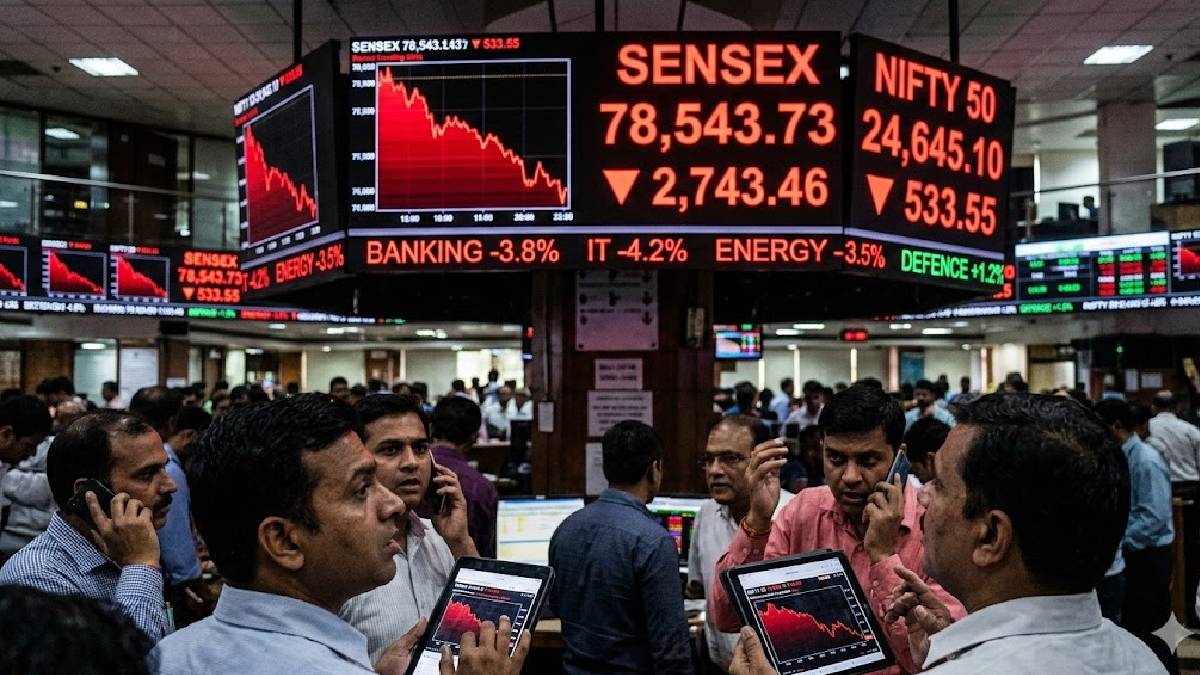
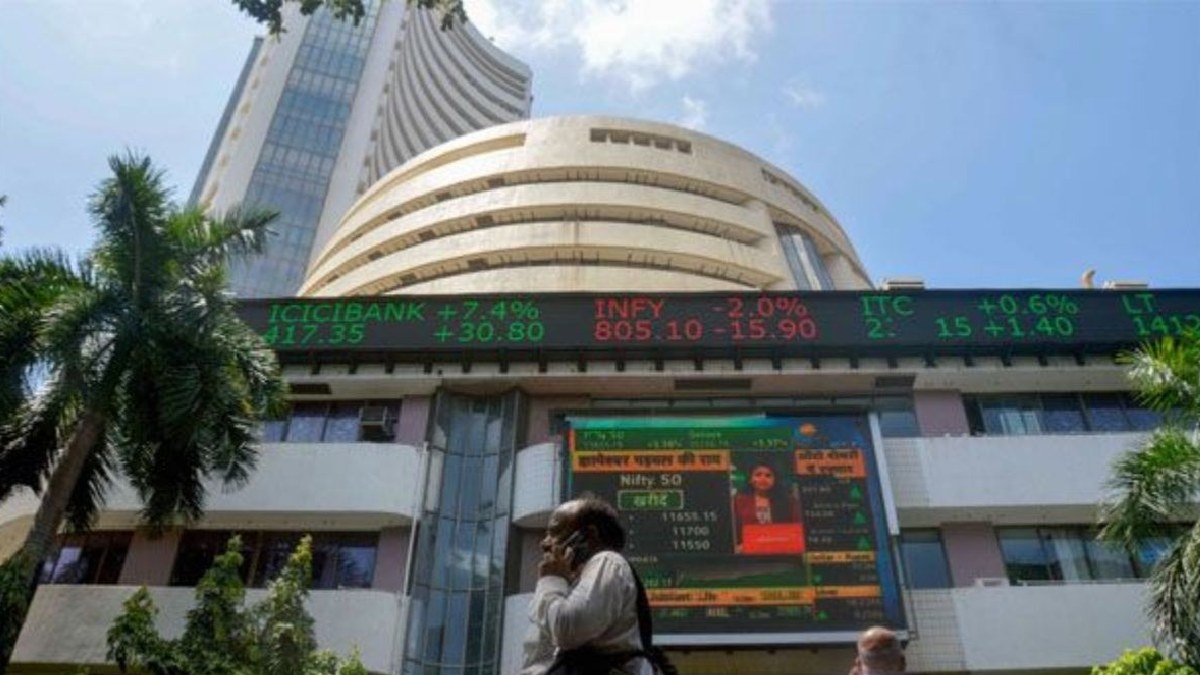
It was a bruising Tuesday for Indian investors as Dalal Street witnessed a classic "bloodbath." On January 20, 2026, the BSE Sensex crashed 1,065 points (reaching an intraday low of 82,036 before settling), while the NSE Nifty 50 plummeted to test the 25,232 level. The sudden intensity of the sell-off wiped out nearly ₹13 lakh crore of investor wealth in just 48 hours, leaving the trading floor in a sea of red.
If you are looking at your portfolio today and wondering what triggered this sharp reversal, here is a humanized breakdown of the global and domestic pressures that collided today.
1. The 'Greenland' Trade War Escalation
The biggest shadow over global markets right now is the escalating tension between the United States and Europe. U.S. President Donald Trump has intensified his push to acquire Greenland, threatening a 10% to 25% tariff on goods from eight European nations including Germany and the UK that oppose the move. In retaliation, the European Union is reportedly preparing a $108 billion tariff package on U.S. goods. This "tit-for-tat" trade war rhetoric has spooked global investors, driving them away from riskier assets like Indian equities and into safe havens like gold.

2. Relentless FII Outflows
Foreign Institutional Investors (FIIs) have been on a relentless selling spree this January. In the first half of the month alone, FIIs offloaded equities worth over ₹29,000 crore. The combination of a weakening Rupee (hovering near 91 per Dollar) and more attractive yields in the U.S. has led to a steady "flight of capital" from Indian markets. Today, that trickle of selling turned into a flood.
3. Uninspiring Q3 Earnings
We are currently in the thick of the December quarter (Q3 FY26) earnings season, and so far, the results have failed to excite. While many companies are reporting stable numbers, there is a distinct lack of "positive surprises" or upgraded guidance. With valuations already on the higher side, investors are quick to book profits the moment a company shows even a minor miss in its margins or growth outlook.
4. The Pre-Budget Jitter
With the Union Budget 2026 scheduled for February 1, the market is entering a phase of high anxiety. There is significant speculation regarding whether the government will prioritize fiscal consolidation over capital expenditure. Any hint that the government might tighten its belt could mean slower growth for infrastructure and manufacturing sectors, leading many traders to take their money off the table now.

5. Surge in Precious Metals
As stock prices fell, gold and silver hit historic highs today with silver nearing ₹3.2 lakh/kg. This inverse relationship is a clear sign of "risk-off" sentiment. When professional fund managers move massive amounts of money out of stocks and into gold, it creates a downward vacuum that drags the entire Nifty and Sensex down with it.
What Should Investors Do?
Market veterans suggest that while the "Greenland" headlines are noisy, the long-term story of India’s GDP growth (recently upgraded to 7.3% by the IMF) remains intact. For retail investors, today is a reminder that markets don't move in a straight line. Until the U.S.-Europe standoff reaches a resolution or the Budget provides more clarity, volatility is likely to remain the new normal.






Comments