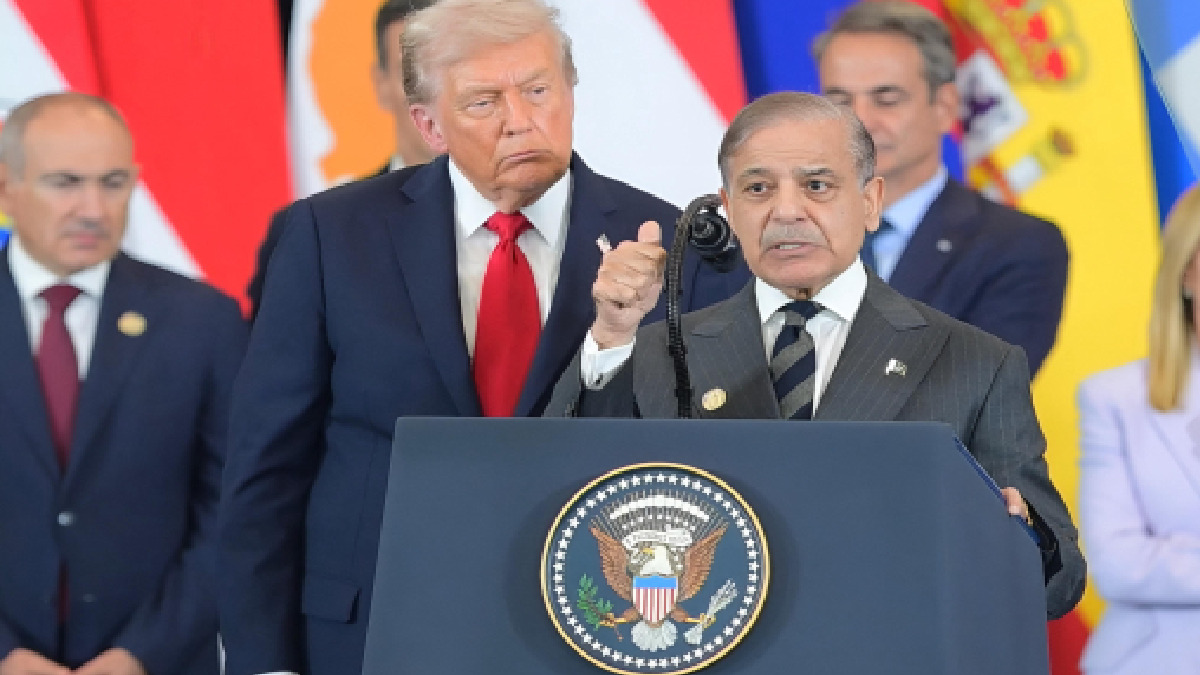
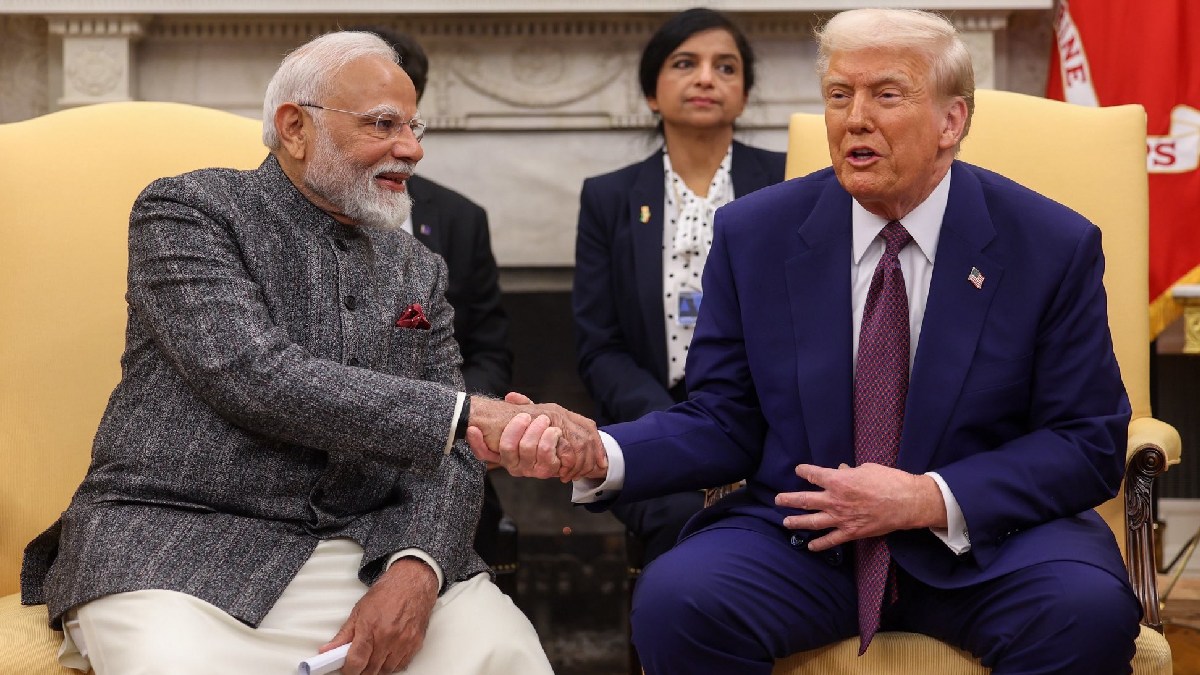
In the intervening weekend's quick-moving events of 21-22 February 2026, India-US trade was suddenly upended. After a recent U.S. Supreme Court ruling that struck down trade barriers, President Donald Trump rolled up its sleeves and instituted a new 15% tariff regime globally. On the one hand, it greatly reduces the crushing 50 per cent duty India faced in 2025 and set a new benchmark for all prospective exports. Conversely, on the other, with Trump's government's new rules from September 24th 2026 to November 28th, this situation is reversed.
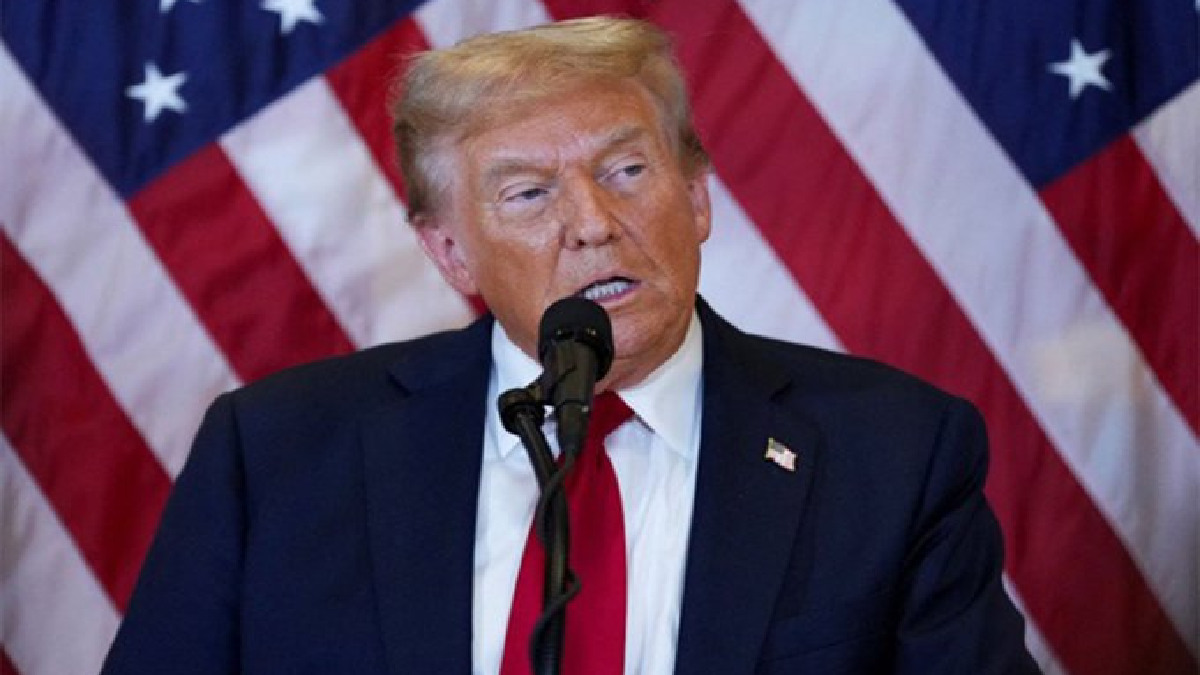
The Supreme Court Blow & the 15%, and a 15% Pivot
The U.S. Supreme Court 6-3 ruled that the broad "reciprocal tariffs" imposed under the International Emergency Economic Powers Act (IEEPA) were illegal.
This finding essentially overturned the 25% to 50% tariffs that had plagued Indian exporters for nearly a year. To this, President Trump quickly cited Section 122 of the Trade Act of 1974, first suggesting to Congress the imposition of a 10% surcharge, an increase that he expanded to a 15% "legally tested" global tariff on Saturday. This novel levy is aimed at solving “fundamental international payment problems” and will be in effect for at least 150 days.
What This Means For Indian Exports
For India’s Ministry of Commerce, that 15 percent has been a “reset,” not total shock, and it is no surprise that India’s ministry of commerce isn’t so sure how to interpret those figures. Here’s how the numbers sum up:
- The De-escalation: At the end of 2025 many Indian goods were hit with tariffs that rose to as high as up to 50 percent (a combination of a 25-percent reciprocal duty plus a 25% penalty on imported oil of Russian origin). The new 15 percent rate is welcome relief from the spikes.
- The Interim Deal: A few months earlier, India and the US had signed on to an interim framework that would reduce tariffs to 18%. The new 15% global baseline effectively overturns that agreement, which would have meant Indian exporters are paying less than they had just decided to negotiate.
- Weighted Average: According to Global Trade Research Initiative (GTRI) experts, the effective tax on Indian goods would be somewhere between 13.5% and 18.5%, depending on the sector, including current Most Favored Nation (MFN) duties.
Sectoral Implications: Beneficiaries and Regrettably, while the 15% global tariff seems like a one-size-fits-all initiative, some additional duties for "Trump 2.0" specific duties are subject to distinct legal frameworks (Section 232 and Section 301):
| Sector | Current Tariff Status | Outlook |
| Pharmaceuticals | Exempt | Remain resilient due to US supply chain dependencies. |
| Textiles & Apparel | 15% + MFN | Relief from 50% peaks; competitiveness remains stable. |
| Steel & Aluminum | 50% | Continue to face high Section 232 national security duties. |
| Gems & Jewelry | 15% + MFN | Significant cost reduction; US demand expected to rebound. |
| Auto Components | 25% | Specific sectoral duties still apply to many parts. |
The "Russia Factor" and Future Talks
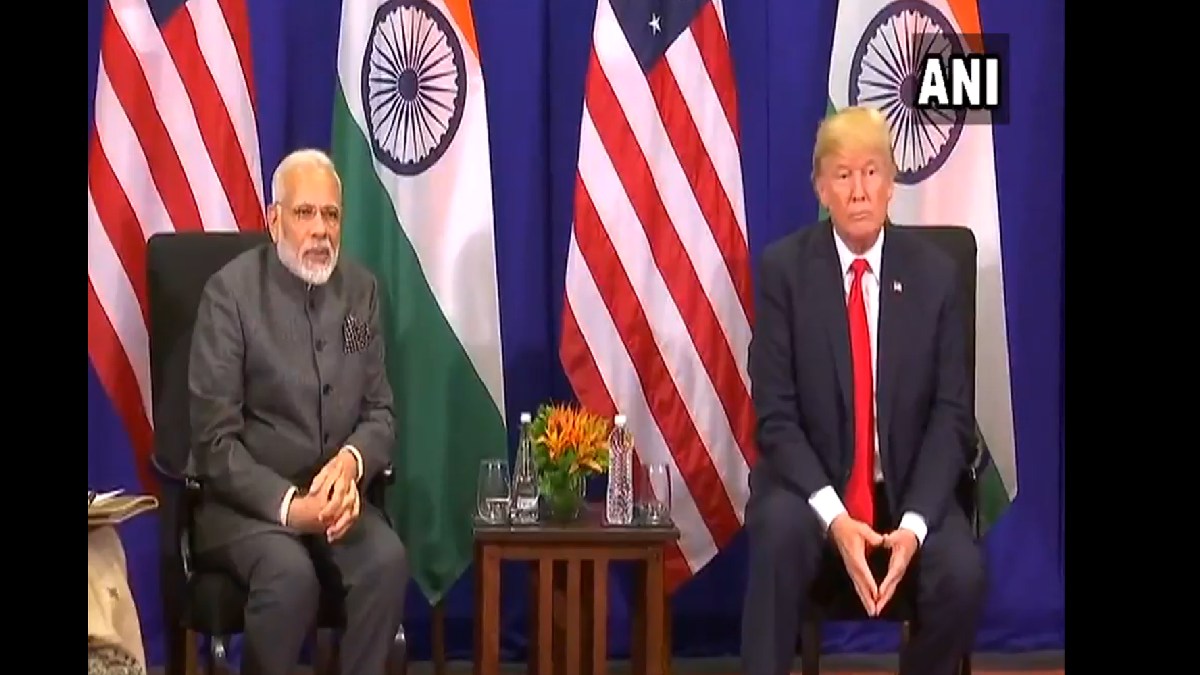
A major victory for New Delhi in 2026: removal of 25% “Russian Oil Penalty”. India agreed under the February 7 Interim Agreement to scale back energy imports from Moscow to the flow of American crude. Although India had signed against the U.S. Supreme Court ruling, President Trump proclaimed that the "India Deal is ON" and that as long as India continues to keep its energy promises, no punitive "retribution" levies beyond the 15% global baseline will be imposed.
Looking Ahead
The next 150 days are crucial. An Indian delegation is expected to go to Washington this week to finalize the legal language of the bilateral trade deal. The 15 percent tariff would add a layer of cost for American consumers, but it can also be a “predictable” floor for Indian businesses that had spent a year in extreme volatility.