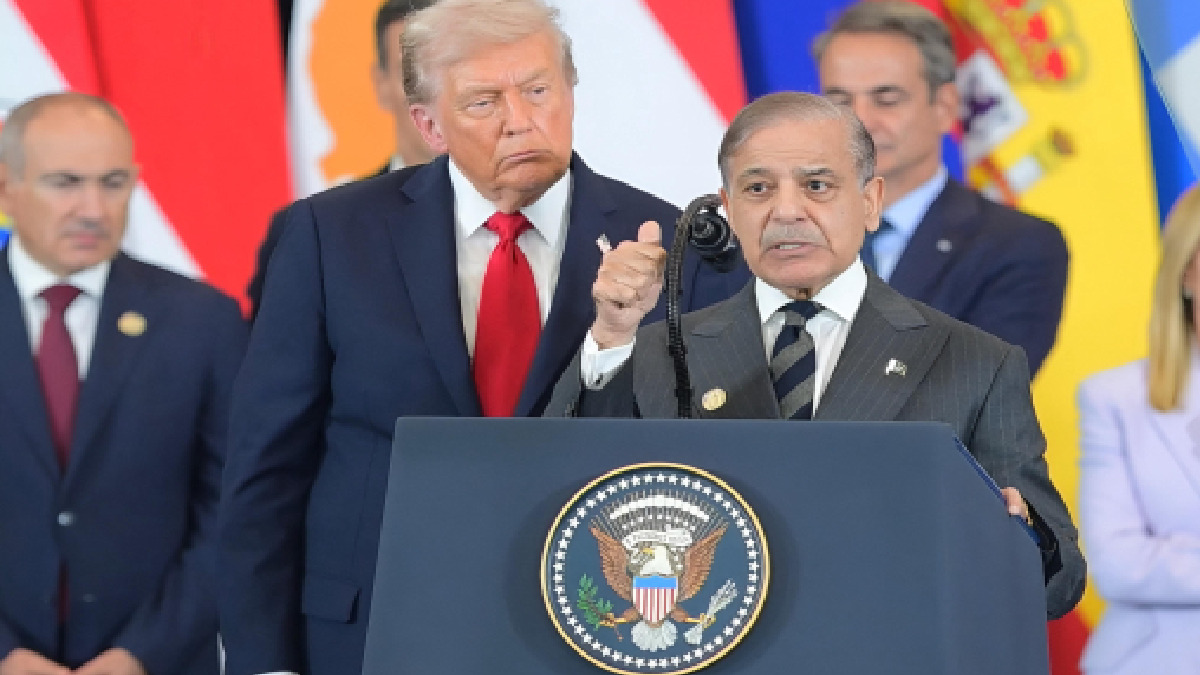
The Indian government has shown itself to be a reasonable and pragmatic response to the dramatic legal reformulation in Washington D.C., proclaiming today, that it is “studying the developments” following the U.S. Supreme Court’s decision to set aside President Donald Trump’s massive global tariffs. That decision, which invalidated using the International Emergency Economic Powers Act (IEEPA) to levy large trade duties, has dramatically altered the trade landscape of the globe’s two largest democracies.
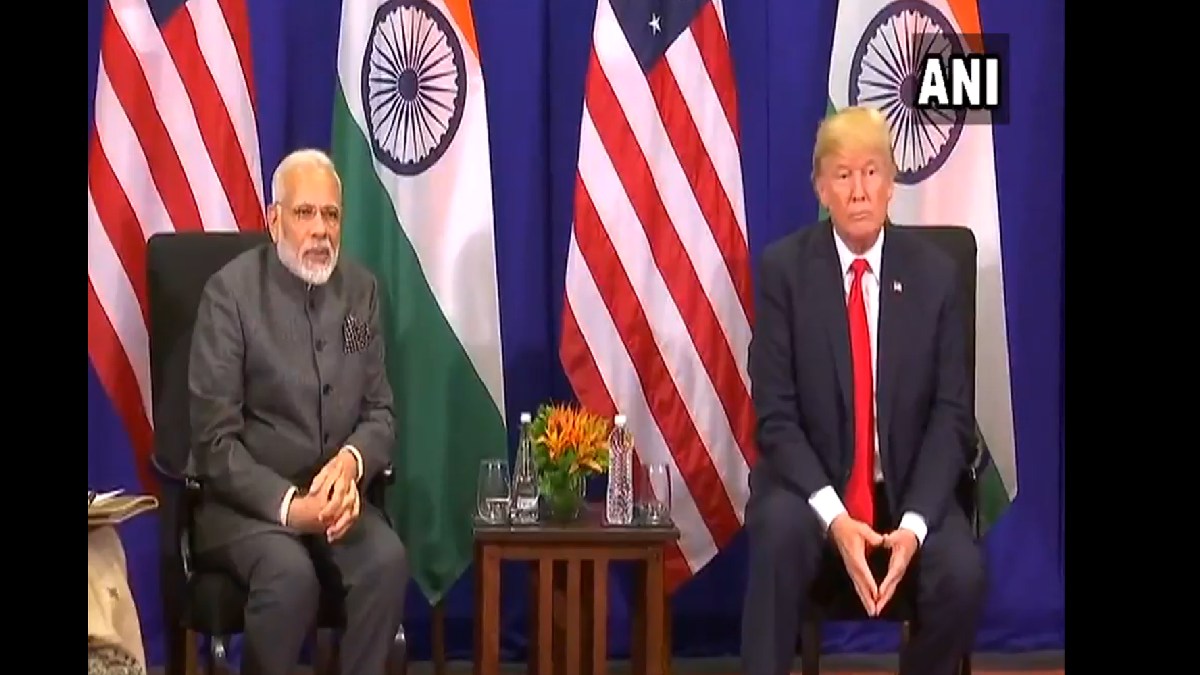
The Ministry of Commerce & Industry released a brief, pared back message Saturday afternoon. “We have noted the recent U.S. Supreme Court decision on tariffs yesterday,” the ministry said. “President Trump has spoken at a press conference on that as well. Some measures have been announced by the U.S. Administration.
We are studying all the developments there for their ultimate impact.” For our part, New Delhi, with its use of this "wait-and-watch" strategy, aims to steer clear of action in the challenging current trade atmosphere without endangering its India-U.S. interim trade agreement that we reached only weeks earlier.
The Decision: A Constitutional Rebuke: 6–3
Then, the U.S. Supreme Court on Friday, February 20, 2026 decided that the President had made a dangerous assumption by using emergency powers to go around Congress. In a majority opinion, Chief Justice John Roberts made the point: Even if the President can “regulate” trade in the event there is a temporary crisis, by definition, we’re talking about Congress exercising the power to “tax” (via tariffs). For India, the decision has two elements:
- Short term relief: The 18% "reciprocal" tariffs presently placed on Indian goods subject to IEEPA are now removed.
- Uncertainty about refunds: Whether India can claim refunds on the estimated $487 million in trade duties paid by Indian exporters in 2025 remains vague.
Trump’s Pivot: The 10% “Temporary Surcharge”
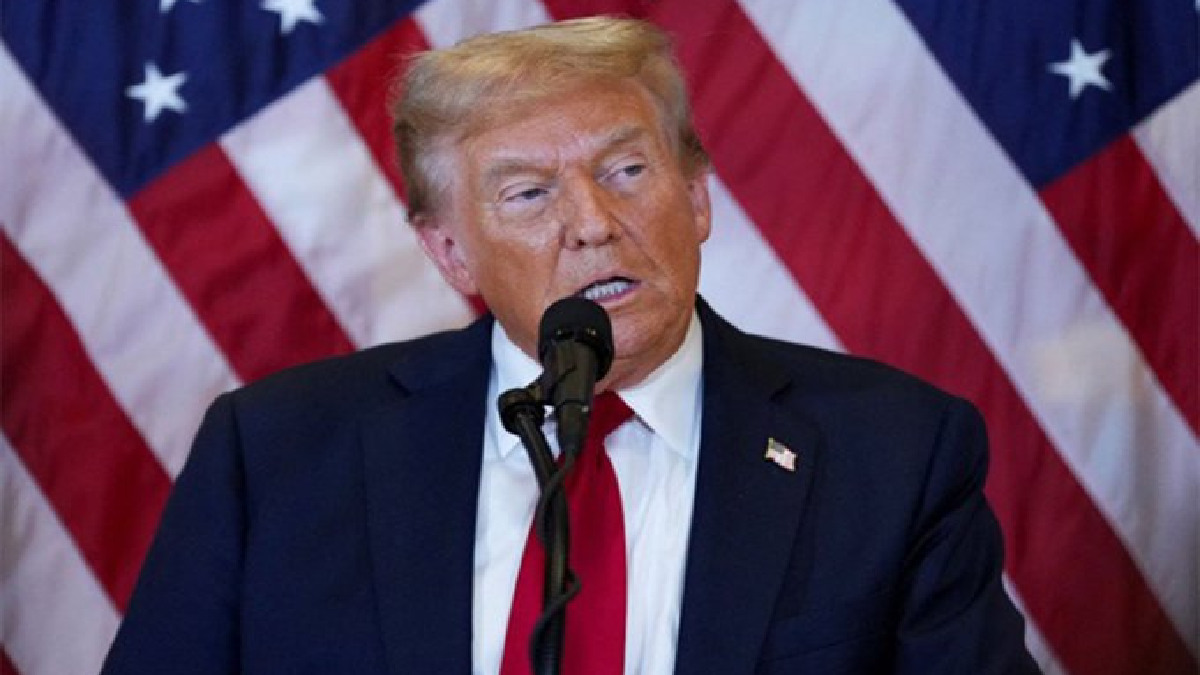
A while after the court´s reprimand, President Trump gathered a lively press conference, referred to the dismissal as "disgrace" and instantly invoked Section 122 of the Trade Act of 1974. Under the alternative law, he called for a 10% temporary import surcharge on all world imports by February 24, 2026.
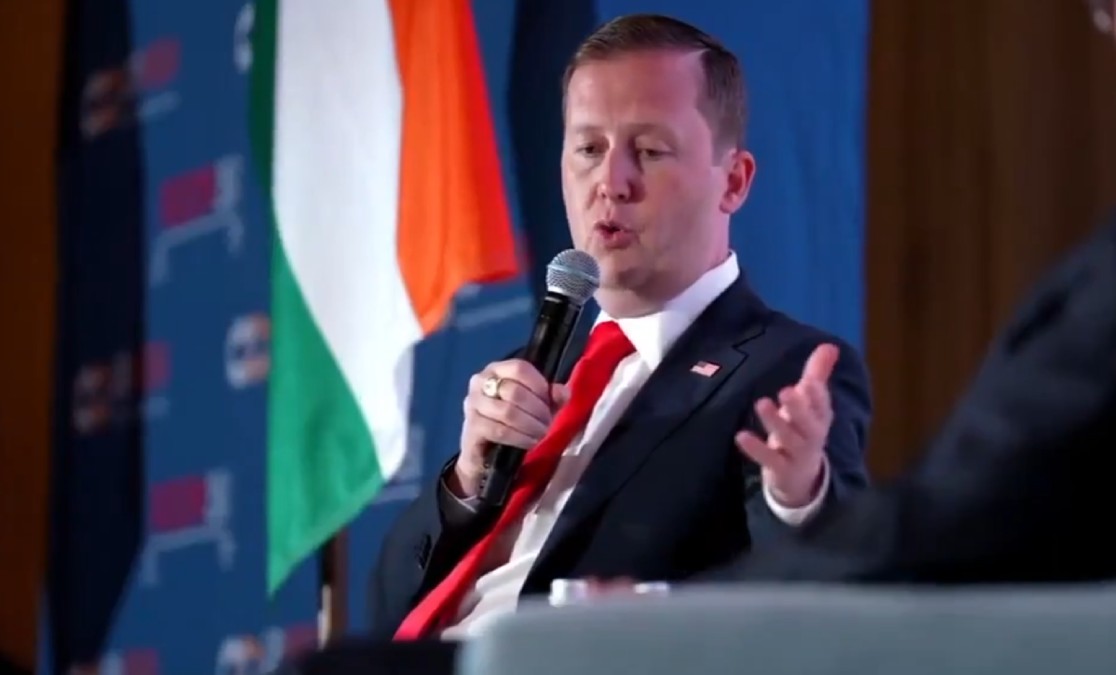
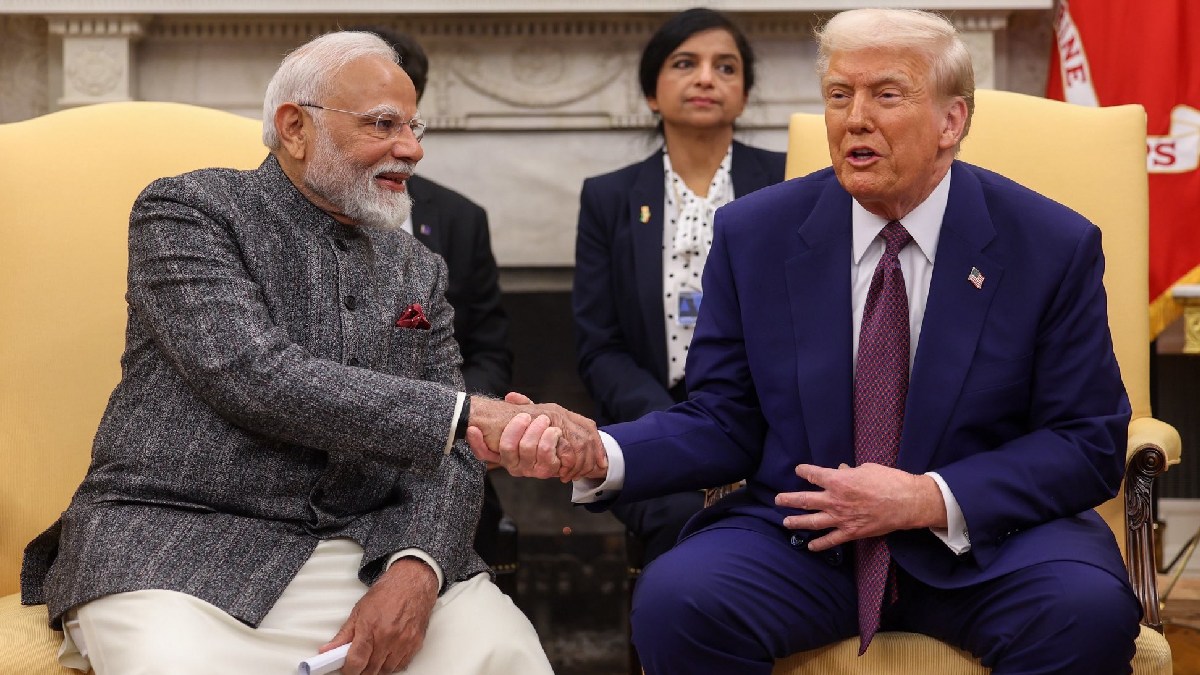
This figure is lower than the last 18 percent trade rate India was subjected to, but it does guarantee a partial maintenance of the "tariff wall." Trump said, "The deal with India is they pay tariffs... I think Prime Minister Modi is a great gentleman... but he was much smarter than the people he was against in terms of the United States."
India-U.S. Trade Deal Status
Despite all the legal jargon, the White House has maintained that its interim trade agreement with India remained on track. The senior Indian delegation headed by the Chief Negotiator will continue his trip to Washington next week to work toward a roadmap for the “Bilateral Trade Agreement.”