Following a year of punitive 50% duties and squabbling diplomacy marked as “annus horribilis,” India and the United States have officially launched a “reset” gambit. In an announcement late last night on Feb. 2, 2026, President Donald Trump announced that tariffs for their “Made in India” products would be cut to 18% beginning immediately. India now has an 18% bracket, Pakistan just has 19% and other countries such as Bangladesh and Vietnam hold 20%.
China, meanwhile, continues to receive heavy penalties, with tariffs between 34% and 37%. On paper this might appear like a small 1% difference between India and Pakistan and in the realm of the high-volume export sector - which includes textiles, leather, engineering goods - this will indeed be huge competitive advantage for Indian MSMEs.
The Price of Relief
The Russian Oil Pivot Relief was not without a high diplomatic price. The U.S. once placed 25% “reciprocal tariff” and another 25% “penalty” in connection with India’s continued purchase of Russian crude oil. To obtain the 18% rate, according to reports, India has pledged to:
- Halting Russian Oil: Redirecting energy buying toward the U.S. and possibly to Venezuela.
- Reciprocal Access: Gradually reducing Indian tariffs on U.S. agricultural and industrial goods.
A $500 Billion Buy
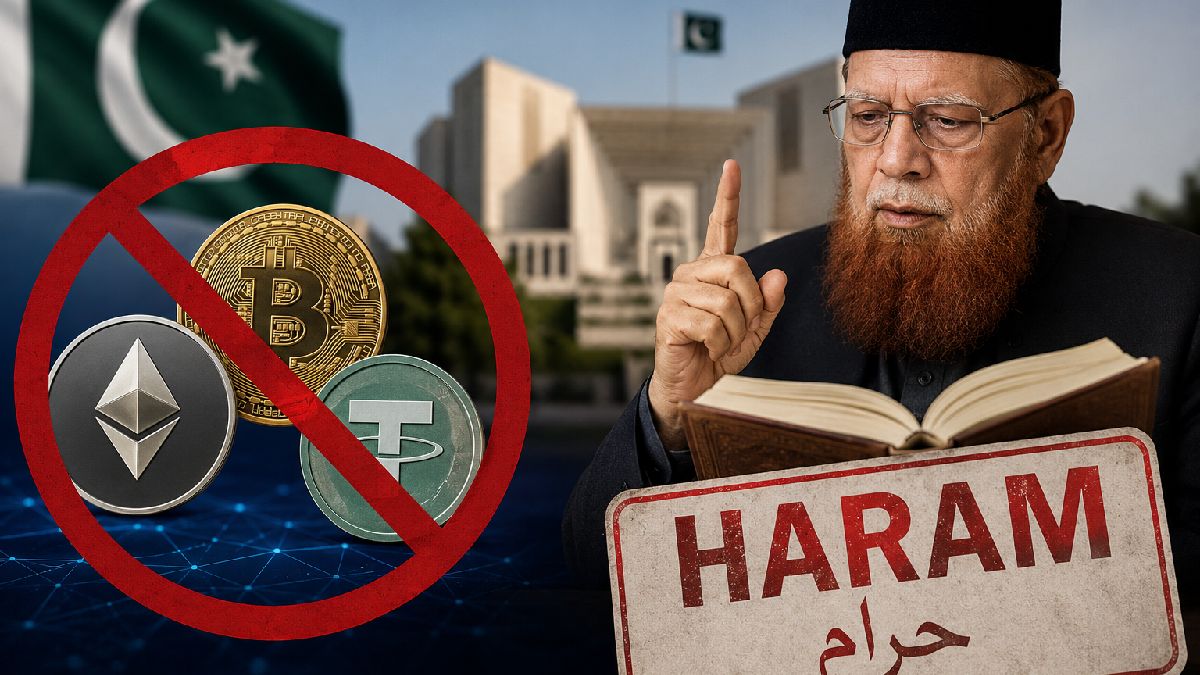
An enormous long-term investment in American technology and energy. Is Pakistan Losing Influence? Throughout 2025, Pakistan seemed to represent the unexpected beneficiary of the Trump administration’s “transactional diplomacy.” By getting a 19% tariff up front, with India still losing a full 50% at first, Islamabad was hailed as having “outmaneuvered” New Delhi through aggressive lobbying and concrete concessions on counter-terror and crypto-partnerships.
Nevertheless, the new 18 percent rate for India indicates that Washington’s long-term strategic interest in India as a “counterweight to China” may have indeed prevailed over short-term transactional offer of Pakistan. But while Pakistan is still seen by the current administration as a “reliable partner,” India’s gargantuan market size and its willingness to turn its energy policy has brought it back to the position of being South Asia’s central economic partner.

The Way Ahead
For now, although India has responded to such a news with jubilation that the GIFT Nifty reached nearly 800 points higher, critics warn that the deal is a “one-way street” that can subject Indian farmers to cheap American imports. For now, though, the 1% edge over Pakistan is a symbolic and economic victory to the Modi government in this otherwise heavyweight domestic election cycle.