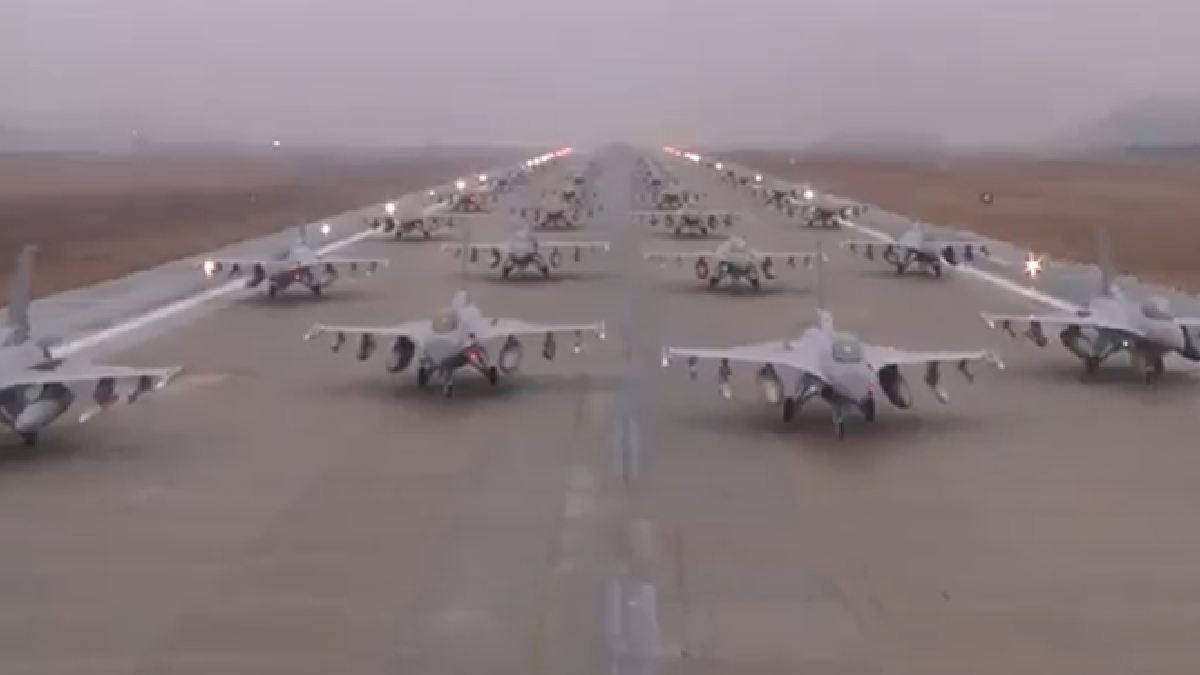
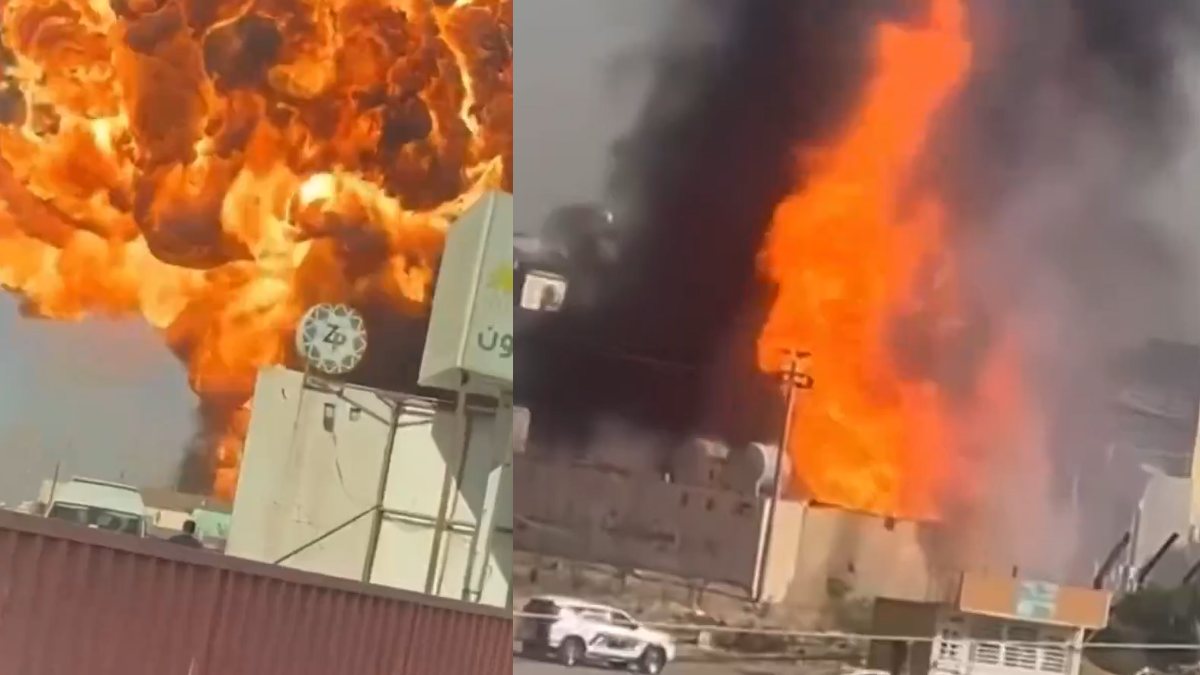
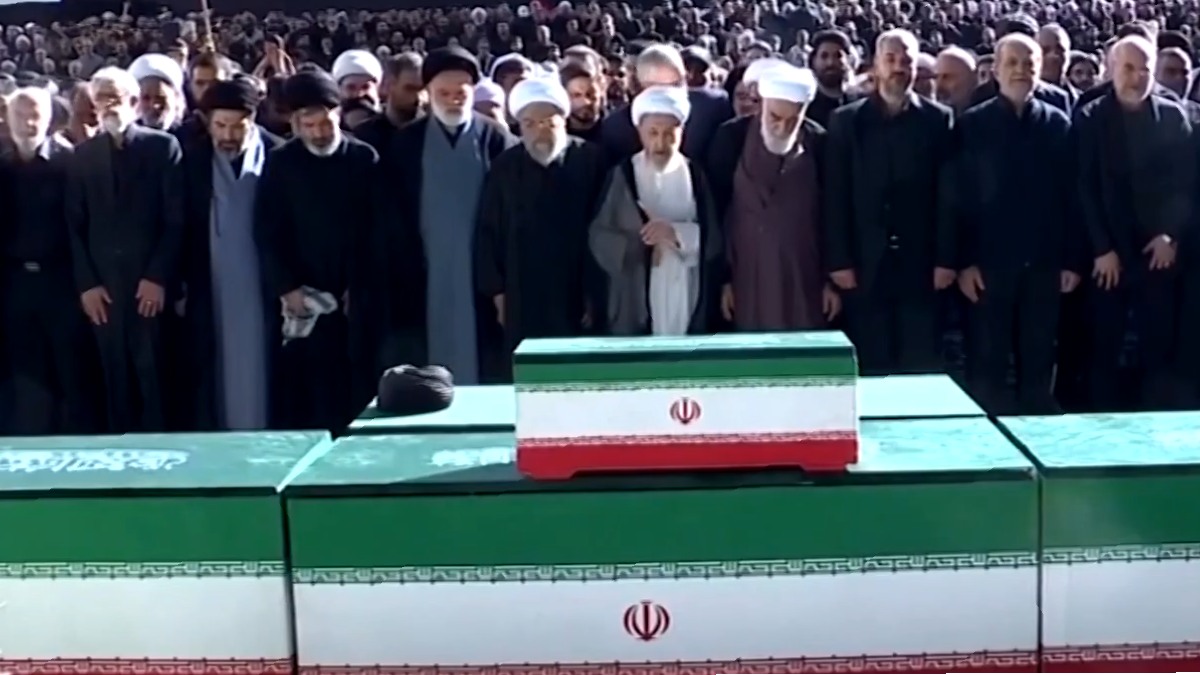
The speculation of a new military front in the Middle East became urgent late Saturday, January 31, 2026, as Twitter’s feed was flooded with reports of major explosions in the Iranian port city of Bandar Abbas and the southwestern city of Ahvaz. In the midst of the strongest tensions in recent weeks between the Trump administration and Tehran, many were fearing that the blasts would be the first sign of a declared U.S. “maximum pressure” military campaign.
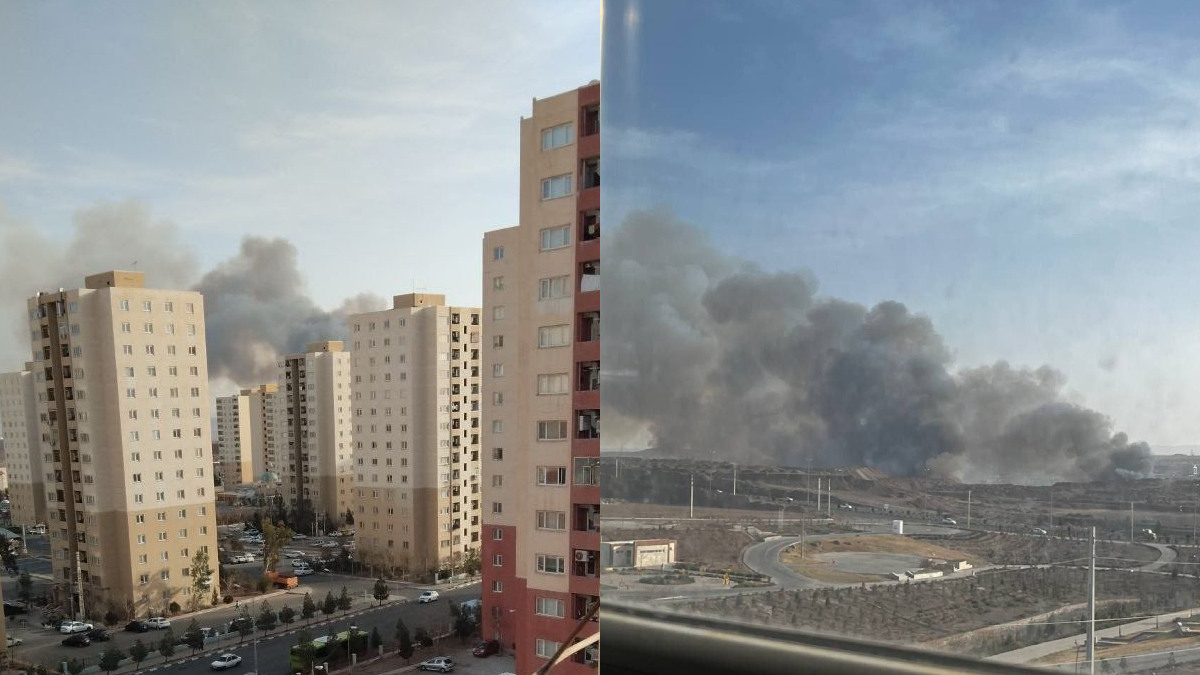
But a White House official has gone to the extremes to say the United States was not implicated in the events. The Blasts: What We Know. On the night of January 31, a pair of separate occurrences happened within hours of each other:
Bandar Abbas: An explosion smashed through an eight-story residential and commercial building near the city’s critical port. Local reports state a fatality and 14 injuries.
Ahvaz: A different blast in the city of Ahvaz destroyed a residential unit, causing the deaths of five civilians, including members of a family of four. The timing of the blasts was especially sensitive, occurring just 24 hours before a planned Iranian live-fire naval exercise in the Strait of Hormuz a maneuver whose U.S. Central Command had previously cautioned against.
The White House Response
Rumors spread rapidly that US stealth aircraft or drones were striking the Islamic Revolutionary Guard Corps (IRGC) infrastructure. These rumors ran rampant after a string of recent reports from Israeli intelligence, which have confirmed a U.S. strike was “imminent” coming into late January. In a short note to reporters, a White House official said:
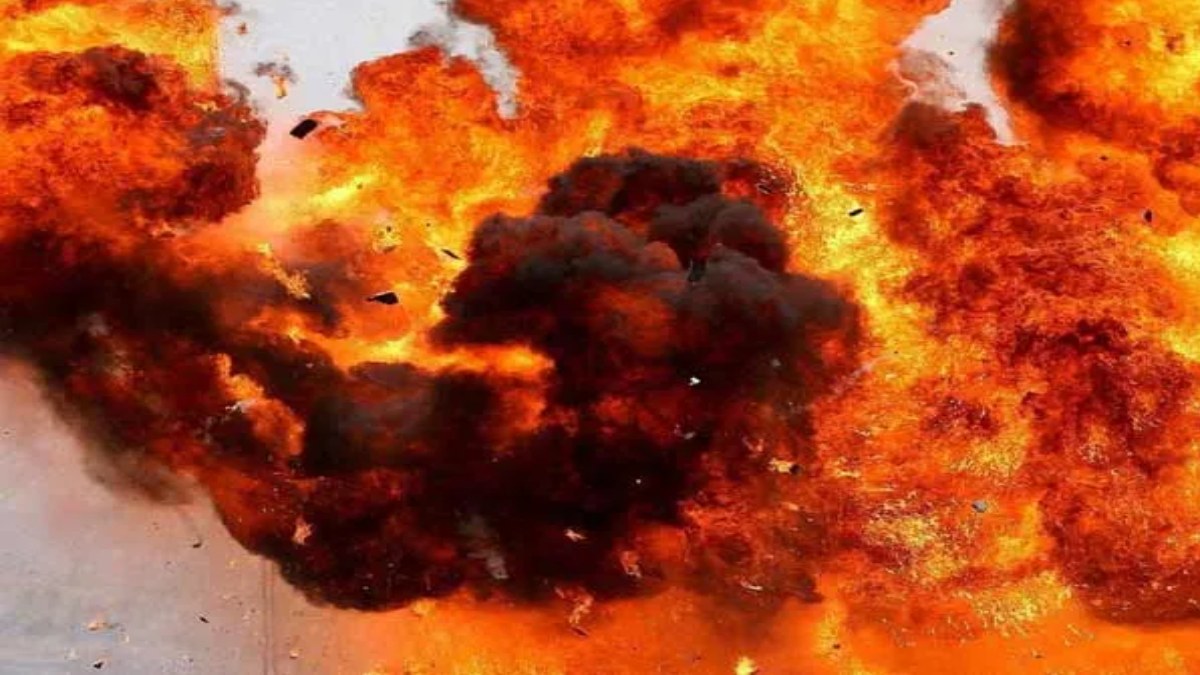
“The United States is well aware that there are reports of explosions in southern Iran. We can affirm that no U.S. military kinetic action had been involved in the above cases. We are closely watching the status quo and the Iranian regime’s continuing repression of its own population.”
Official Stance of Iran: Gas Leaks or Sabotage?
Both incidents have been quickly attributed by Iranian state media and local fire officials to “technical failures” and gas leaking incidents. Mohammad Amin Liaqat, fire chief of Bandar Abbas, said an initial assessment indicated a gas leak in an apartment. The IRGC issued a particular denial over claims made on social media that a Navy commander had been targeted in the Bandar Abbas blast, calling such reporting “completely false” and “psychological warfare.”
After the official “gas leak” explanation gets rejected, analysts in the region have doubts. The number of those “accidents” at sensitive sites Bandar Abbas is the site of Iran’s most strategic container port has also raised suspicions of cyber-sabotage or secret operations, but no link to any foreign power has yet emerged.