Shopping in the congested markets of Delhi can be exhilarating, but lugging a big shopping bag through cramped lanes visits draining.
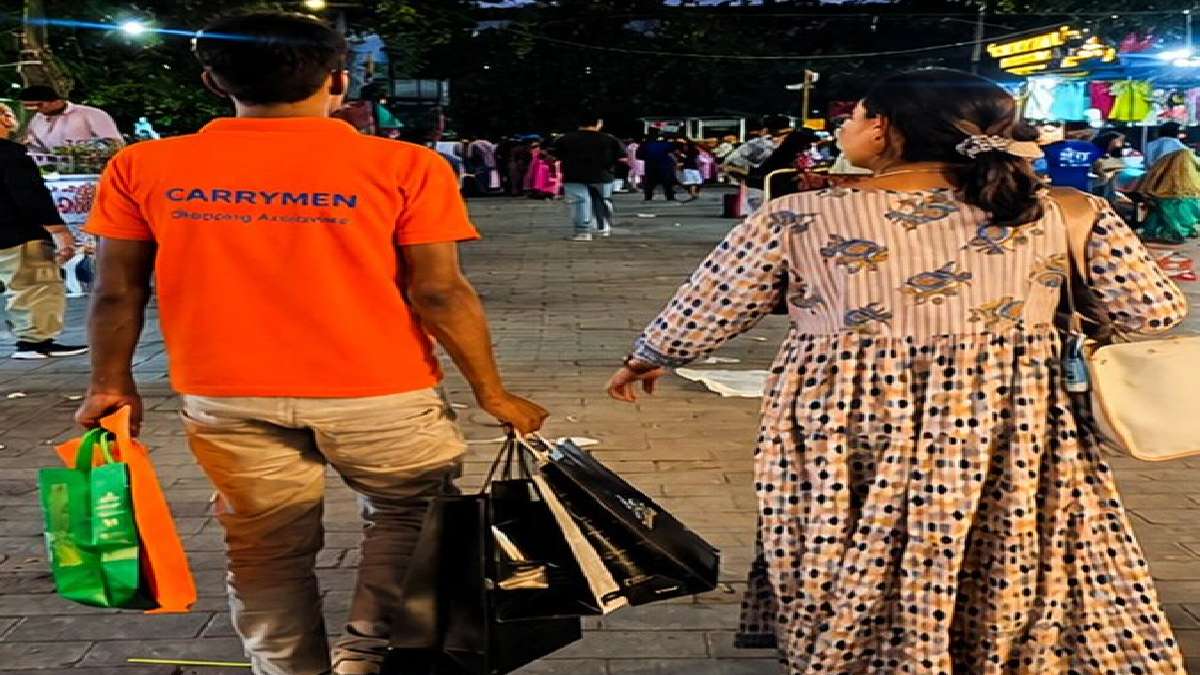
From haggling in Lajpat Nagar to wading through the busy streets of Sarojini Nagar and Chandni Chowk, shoppers usually don’t know how to balance their bags amid a purse and phone while packing with the mob. That’s precisely the sort of scenario a Delhi-based startup called CarryMen is addressing by adding shopping assistants to carry customers’ bags as they shop.
Thanks to the startup’s unorthodox business model and ease of access, which also has the potential to attract shoppers through the capital, the company is making a buzz online. CarryMen is a service that trains assistants to help customers shop, carrying bags through heavy traffic in the markets and assisting customers on shopping trips.
“The assistants aren’t only carrying shopping bags, it says; they coach customers through crowded lines, helping them walk comfortably, take their bags with them to parking spots or metro stations and avoid long lines at food stalls and snack stations. Service starts at ₹149/hour, with multiple bundles provided commensurate with the time of assistance as requested.
They can apparently schedule shopping helpers for around 30 minutes (at ₹79) and longer packages for a maximum of four hours (at ₹599). Besides holding bags, the startup gives you extra products and services for fees.

In Lajpat, you can now pay ₹149/hr for someone to carry your bags, wait in food queues, walk you to the metro, find you a place to sit, and even set up a foldable chair.
— Khush Mahajan (@YesKhush_5) May 23, 2026
interesting biz !! pic.twitter.com/zS5lmi5E4w
There are baby carriers, baby prams, N95 masks, portable mobile charging, umbrellas, foldable seating plans and much more. The idea is to make retail shopping in a bustling market in Delhi faster and more convenient for senior customers, women with multiple bags or families with children shopping, senior shoppers.
The concept went viral on X recently, after a conversation about it was going viral on the internet. With some commending the idea as practical and helpful, others are sceptical that such a service truly qualifies as a startup innovation. And some users laughed at CarryMen and suggested that it could take the place of a male who was seen as a family guide during shopping trips. Another viral comment:
“I told my dad, and he said, ‘What’s a carryman, that’s called a husband.’ ” Others pondered about how much the assistants earn after deducting platform fees, if so, how much they do and whether the employees are being paid what they should be.
Some social media users also complained that the service didn’t align with the new urban convenience culture, or that it made an unnecessary dependence on paid labour to do easy jobs, in an era of automation. At other times, they could be heard from them, as at most other times, there were some who defended it, arguing that there is nothing wrong in helping in the crowded metropolitan markets, if workers were paid properly, then there shouldn’t be trouble.
Elderly citizens, tourists and consumers juggling several bags were among the users who said such assistance could “really help,” as well. In one funny online exchange, a person inquired whether the personal assistant would watch a movie with them, too. A user posted on social media: "CarryMen only provides shopping help and not being a chaperone for a date or entertainment."
The startup’s success reflects the ways that urban service-focused businesses are increasingly focused on convenience and hyperlocal assistance, reflecting trends toward urban lifestyles. The design is, in a way, an innovative model; a quirky luxury; or perhaps more accurately, CarryMen is very much catching on and getting debated online.