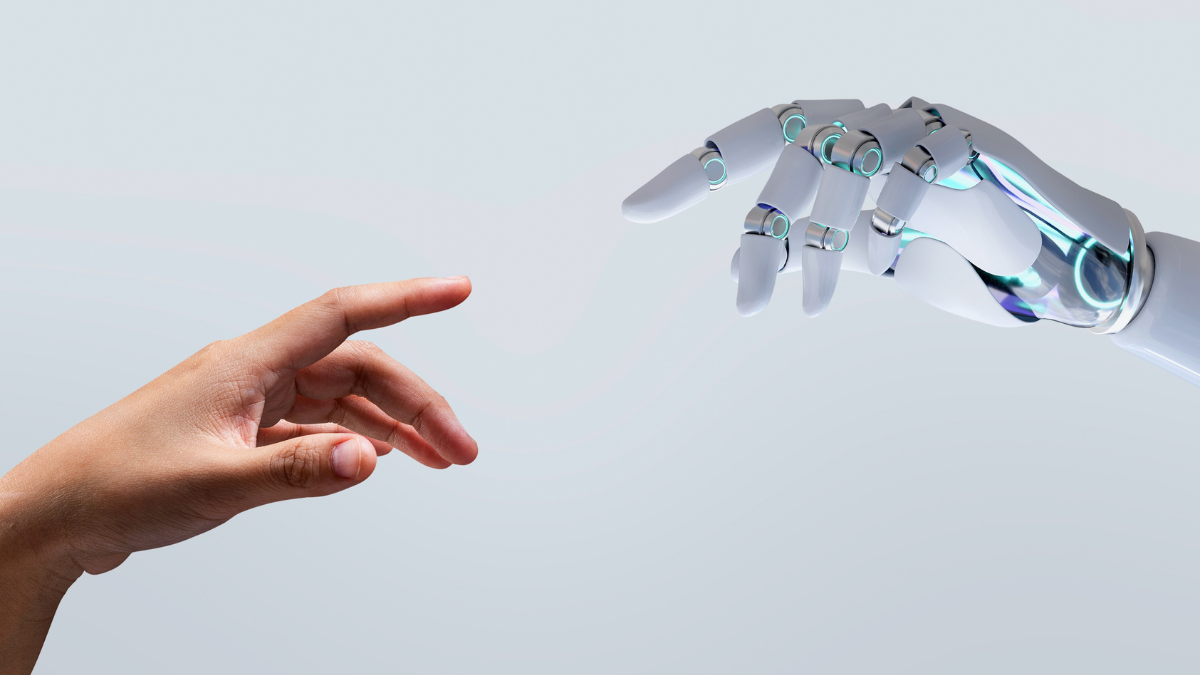
Humans have become more intelligent and are able to do things like do laundry and sort household stuff and compete in boxing matches that were once only fantasy.
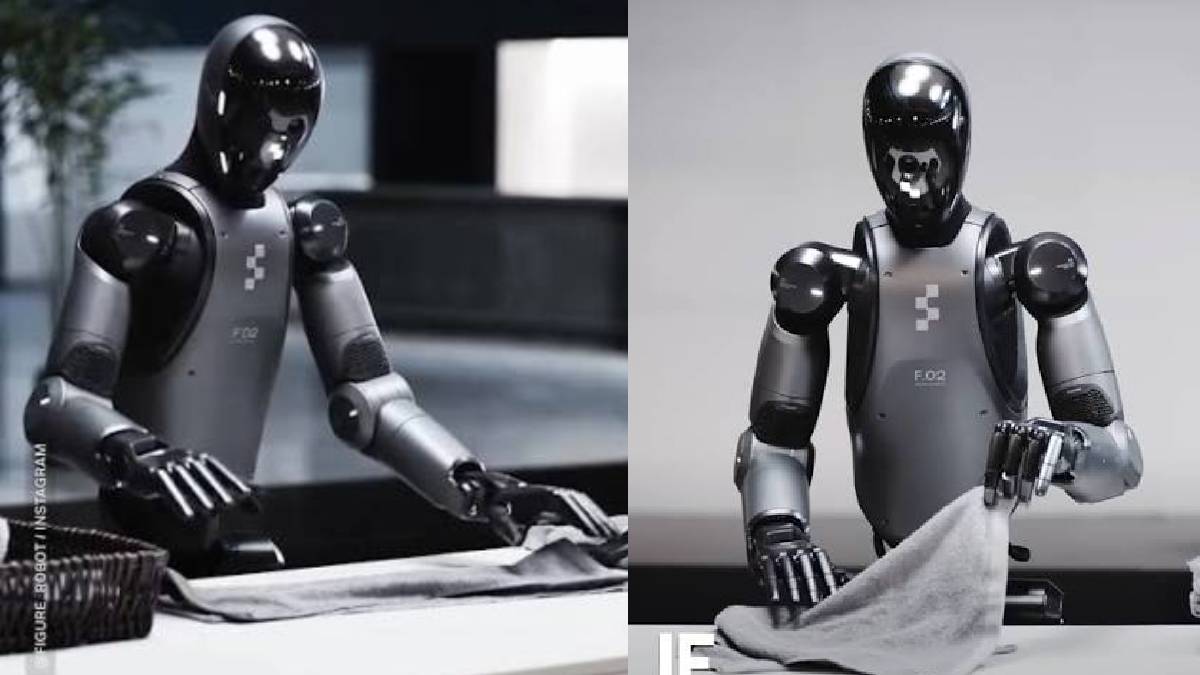
AI, machine learning, computer vision and robotics have helped robots to perform complex physical tasks with greater accuracy.
Unlike traditional industrial robots that repeat a priori programmed motion, modern AI-powered robots are moving beyond factory floors and research labs and are rapidly improving in movement, precision and decision making. From folding laundry and sorting household items to participating in boxing matches, the latest generation of humanoid robots are displaying capabilities that were previously only on the horizon of science fiction.
AI, machine learning, computer vision and robotics technologies have now enabled robots to perform complex physical tasks with greater precision. Unlike traditional industrial robots that are programmed to do the same thing over and over again, robots in the world of AI are able to adapt to changing conditions with the guidance of technology, learn from experience and make decisions at the same time.
The most futuristic inventions are to help robots to do household tasks. AI models have been programmed to recognize fabric, pack clothes in a nice order, pack up things and even clean.
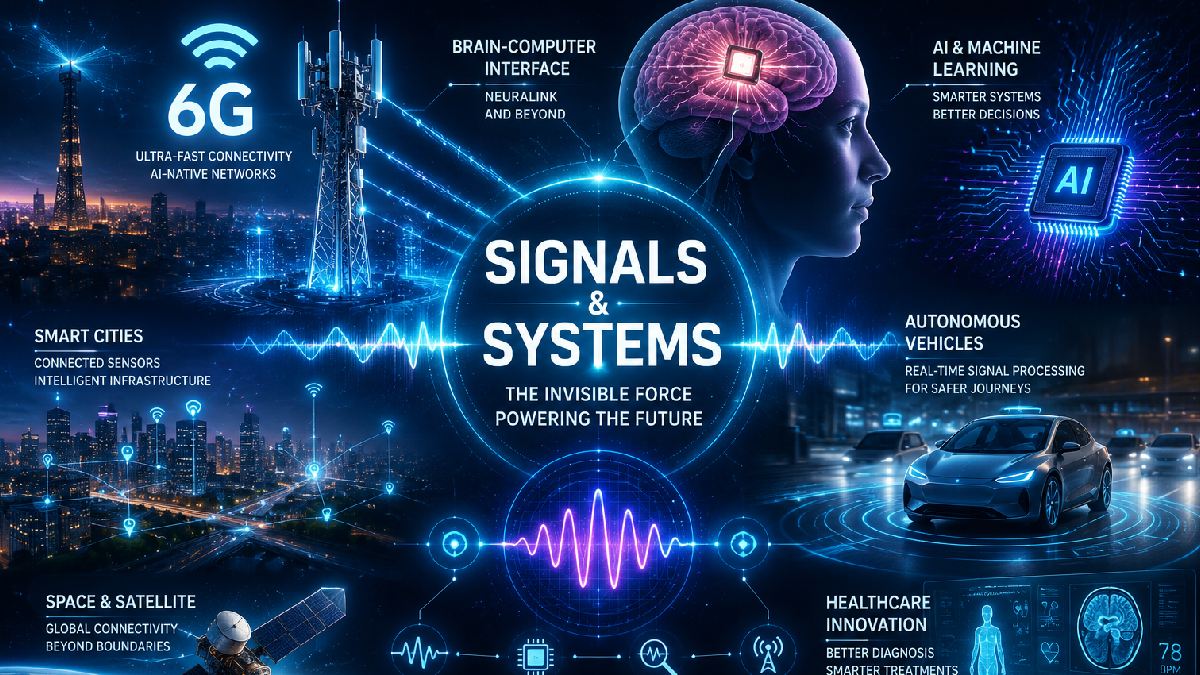
To do all this, you need to have very good vision systems (eyesight) and the right hand-eye coordination and the skill to handle delicate things without getting hurt.
On the other hand, robotics companies are pushing the limits of physical performance. Several humanoid robots have shown boxing skills by balancing themselves, dodging punches and responding dynamically to opponents. It is not an attempt to replace the human athlete; the goal is not to replace them, but simply to test the robotic body, to develop balance control, reaction speed and coordination of body movement essential to robots that will be able to work with humans.
The rapid progress is powered by breakthroughs in reinforcement learning that robots learn from trial and error to work in a simulated environment to apply it to the real world.
Advances in powerful AI models make it possible for robots to hear spoken instructions, make sense of visual information and perform multi-step tasks with little human intervention.
Technology companies say these innovations could change the face of healthcare, logistics, manufacturing, hospitality or elderly care. Robots that can safely handle everyday routines could eventually assist seniors with household work, help hospitals with transporting goods or support warehouse operations by sorting and packing goods more efficiently.
Experts say that while the excitement is there, there are still challenges for robots to evolve. Building robots that can operate in unpredictable environments is challenging. Safety, cost, battery life, and ethical issues of AI-powered automation are major areas of focus. Developers need to keep robots safe in the hands of humans but also to make sure that user privacy and data privacy are guaranteed.
Robots’ growing intelligence has also sparked conversations about the future of work. Automation could replace some repetitive tasks, but robotics engineers say automation will also open up new opportunities in robotics engineering, AI development, maintenance and human-machine collaboration.
Rather than replacing people entirely, future robots are expected to serve as assistants that enhance productivity.
As AI models get better and robotic hardware improves, the gap between digital intelligence and physical power is narrowing. AI robots are now ready for a new era of versatility: folding laundry at home, aiding workers in factories, and demonstrating athletic skills inside a boxing ring.
In the next decade, we expect more capable humanoid robots that can do a lot of useful stuff in the everyday world and will be very useful partners for people in their homes, workplaces and public spaces.