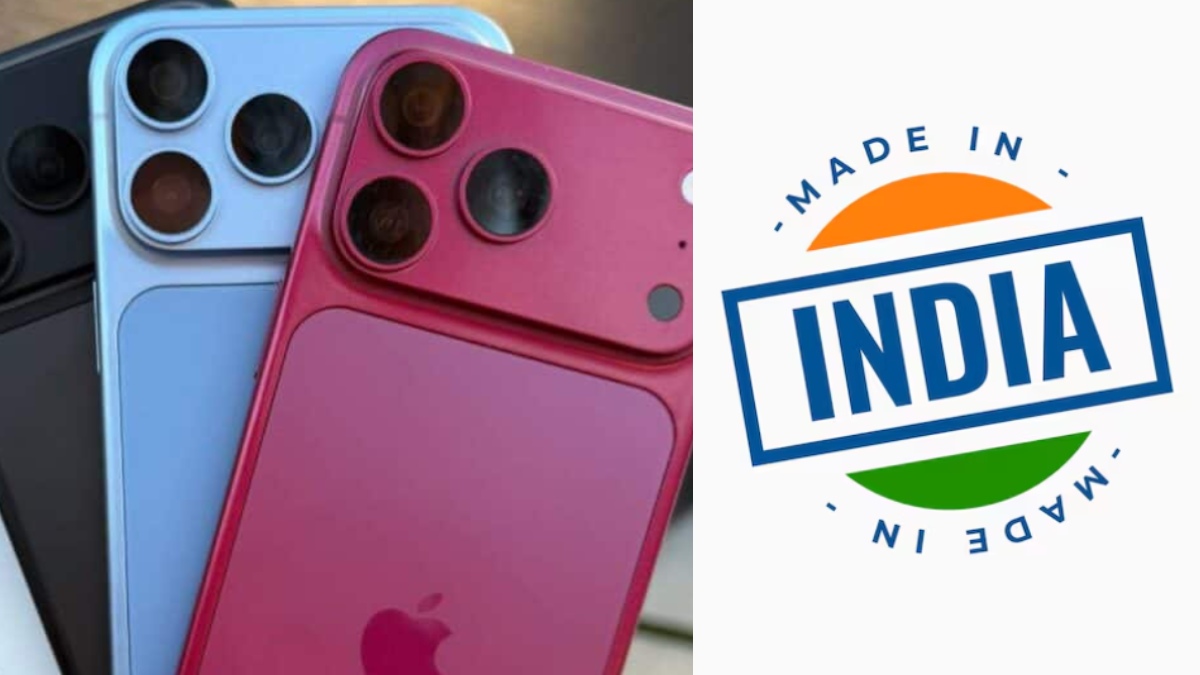
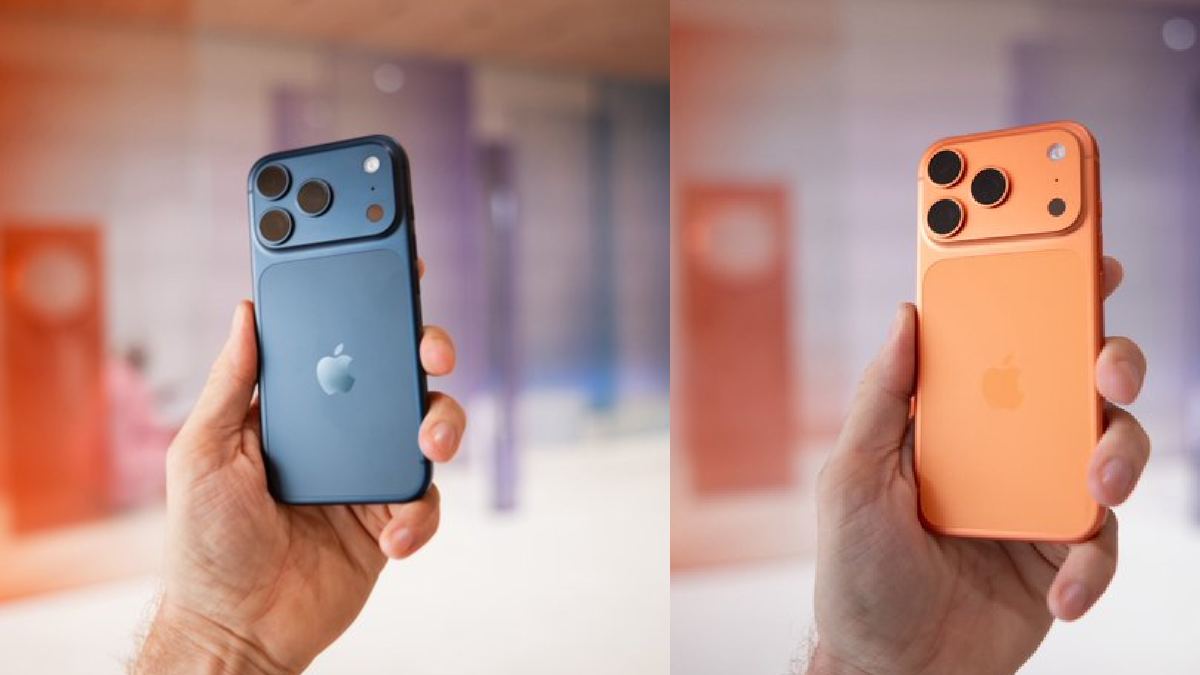
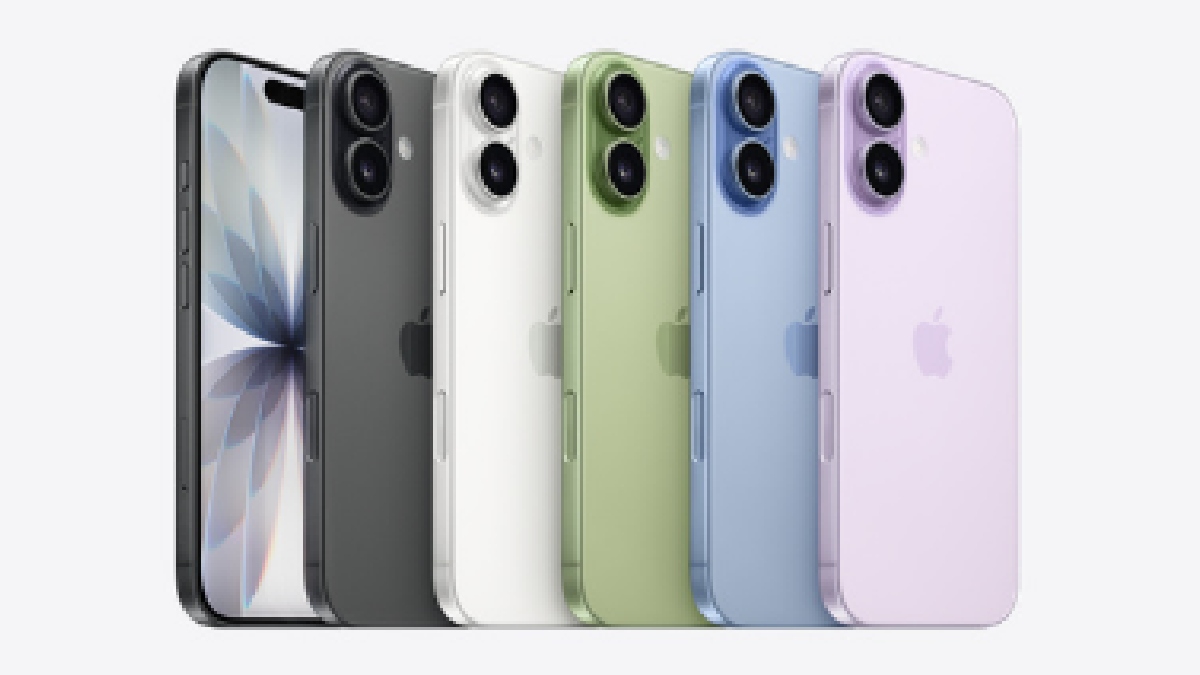
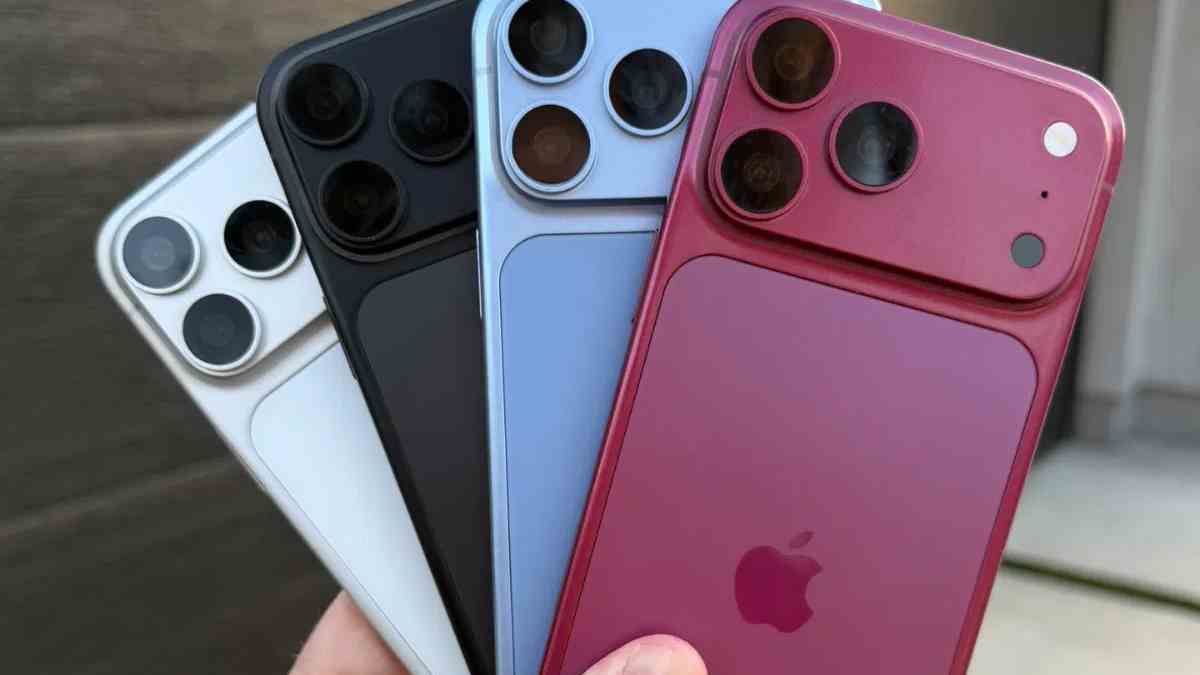
Apple’s new iPhone 18 Pro might be even more expensive than the previous generation of phones. So do industry analysts who predict price hikes because of rising manufacturing costs and future hardware upgrades. Apple hasn’t publicly announced prices of its next flagship smartphones yet but it seems that consumers will have to pay anywhere from $100 to $300 for the premium models.
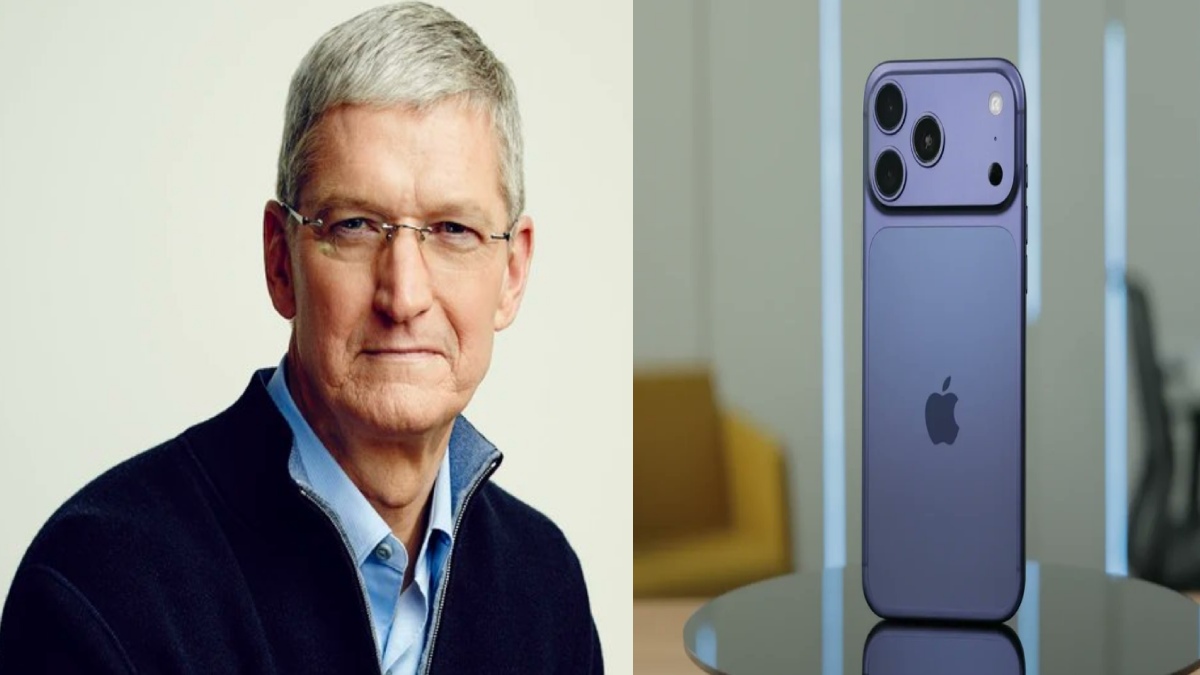
As for the price increase of iPhone 18 Pro and iPhone 18 Pro Max according to Apple analyst Jeff Pu, the price increase is predicted to be $250 to $300. Bloomberg's Mark Gurman believes the prices will probably go up only $100 to $200 based on the model and storage configuration.
Although these numbers are speculative until Apple makes an official announcement, analysts generally agree that the cost of manufacturing next-generation iPhones is increasing rapidly. Many major hardware components such as advanced processors, premium camera systems, memory modules are now becoming more expensive, so Apple will likely have to pass some of these costs on to consumers.
Advanced 2nm chips could become the biggest cost driver
One of the main reasons for the expected price increase will be Apple’s anticipated use of TSMC's next-generation 2-nanometer manufacturing process for the new A20 Pro chipset.
Semiconductor technology has been greatly reduced from 3nm to 2nm. The smaller manufacturing node enables billions more transistors to fit onto the chip, which means better performance, efficiency and artificial intelligence.
But these technological gains come at a high price.
Industry experts estimate that wafers produced with 2nm technology are much more expensive than previous-generation chips. Since Apple's Pro models typically introduce the latest silicon, the iPhone 18 Pro series is expected to cover much of this increased manufacturing cost.
In return, consumers would benefit from faster processing speed, longer battery life, AI capabilities on-device, better graphics performance for gaming and professional applications.
Camera upgrades add to production costs
Another key factor that will most likely lead to price increase is Apple's camera system.
According to some reports, the iPhone 18 Pro could now feature an upgraded camera module with more advanced optical components and high-tech lenses. Some of these high-end lenses are expected to cost nearly 50 percent more than current-generation devices’ ones.
Apple has always positioned the Pro models as photography-focused smartphones, introducing improvements in computational photography, low-light performance, zoom capabilities, and professional video recording.
If these rumors are true, then users can expect even better image quality, better stabilization, better portrait photography, and more powerful video features but at a higher retail price.
The rising memory prices will impact the industry
Memory costs are also becoming a great challenge to smartphone manufacturers.
As we have seen in the industry, DRAM and NAND flash memory prices have risen sharply as demand for artificial intelligence servers, enterprise computing and next-generation consumer electronics has increased rapidly.
Apple’s CEO Tim Cook recently described current memory market conditions as resembling a “hundred-year flood on memory pricing, with exponential increases in memory prices.”
Although Apple has not mentioned there’s no connection between these market conditions and future iPhone pricing, analysts say that the company's production costs have increased drastically since they are now much higher.
And higher capacity storage models such as 512GB and 1TB models could be negatively impacted the most when memory prices get high.
Apple has a difficult pricing decision to make
Apple has generally kept a fairly stable price at all times for many iPhone generations, even when prices are rising and production costs are out so much.
However, the high research and development, artificial intelligence and advanced manufacturing technology-related research and development investment has led to challenges for the company in terms of profit margins and profitability.
The company has to balance affordability and innovation
If the price is too high, the iPhone could discourage upgrades in price-sensitive markets, while the company would have to absorb all manufacturing costs internally and would not make profit.
This balancing act is why iPhone 18 will be of such significance in the near future.
Will consumers still upgrade?
And Apple's premium smartphones are still in demand even with their higher prices.
Many customers are willing to pay more for cutting-edge hardware, long software support, long-lifetime software support, ecosystem integration, advanced security features and industry-leading resale value.
For users upgrading from devices that are three to five years old, improvements in processing power, battery efficiency, display quality, AI functionality, and camera performance may justify the additional investment.
However, if prices rise significantly the consumer who is currently on the iPhone 16 Pro or iPhone 17 Pro will find the decision more difficult.
AI would become the biggest selling point
Artificial intelligence is expected to play a much bigger role in the iPhone 18 series.
With such powerful processors and dedicated neural processing capabilities, Apple is likely to expand on-device AI features such as productivity, photography, voice assistance, writing tools, translation, personalization, and security.
The new hardware could be tailored to handle AI workloads locally as opposed to relying on cloud processing alone.
This could allow for greater privacy while still delivering quicker responses and more intelligent user experiences.
If AI becomes the mainstay of the iPhone 18 Pro lineup, Apple could argue that higher prices reflect not just hardware improvements but also a much more competent software ecosystem.
Competition in the premium smartphone market
And Apple is not alone in experiencing high production costs.
Some of the biggest smartphone manufacturers are also investing in advanced chipsets, larger camera sensors, foldable technologies, satellite communication features, and artificial intelligence.
As semiconductor manufacturing becomes increasingly expensive, premium smartphone prices throughout the industry may continue to rise over the next few years.
As a result, consumers will see higher launch prices become part of the norm instead of the exception.
No official confirmation yet
Note that Apple has not officially announced pricing of the iPhone 18 Pro lineup. The numbers we are currently getting from analysts and industry analysts are based on predictions and not Apple's own pricing.
Historically analyst predictions have sometimes been accurate about Apple's product roadmap, but final pricing decisions are impacted by production costs, supply chain conditions, currency fluctuations, regional taxes and competitive markets in the market.
💼 Analysts forecast Apple $AAPL raises iPhone 18 Pro prices by up to $300.
— Zubiqo (@zubiqo) August 7, 2026
Analyst Jeff Pu reported Apple will increase iPhone 18 Pro prices by between $250 and $300.
Bloomberg reported Mark Gurman anticipates price increases between $100 and $200.
TSMC 2-nanometer A20 Pro… pic.twitter.com/AEysp2ofaT
Apple is expected to announce pricing at its iPhone launch event later in the year
The iPhone 18 Pro is likely to be Apple’s most advanced smartphone yet, probably with a newly developed 2nm processor, improved camera and AI capabilities, and more power. But that could come with a dramatically higher price tag.
As a result, analyst estimates have ranged from $100 to $300, which is due to the increasing cost of next-generation semiconductor manufacturing, premium camera components, and memory. Until Apple actually unveils the device, these predictions remain speculative. But these reports point to a larger trend in the technology industry: premium phones will undoubtedly continue to be more expensive as more and more innovations are made and components get more expensive. Consumers who are interested in upgrading to the iPhone 18 Pro may want to think about paying a higher price in exchange for the latest technology from Apple’s flagship mobile technology.