
ChatGPT is likely to soon get a new privacy feature that gives users more control over sensitive conversations.

Based on hidden code discovered in the latest Android version of the ChatGPT app, OpenAI is working on an option to lock individual chats using a PIN or biometric authentication such as a fingerprint.
The feature has not been officially announced by OpenAI, so its final design and availability might change.


But references on the Android app suggest that users may eventually be able to move selected conversations into a protected area, away from the regular chat list and search results.
How could ChatGPT's locked chats work
The feature seems to be about protecting individual conversations, not locking the entire ChatGPT account.
That might be helpful for people who use ChatGPT for some sort of private discussion of work questions and personal matters, financial planning, personal notes, or other information they don’t want to give others looking at their device access to.

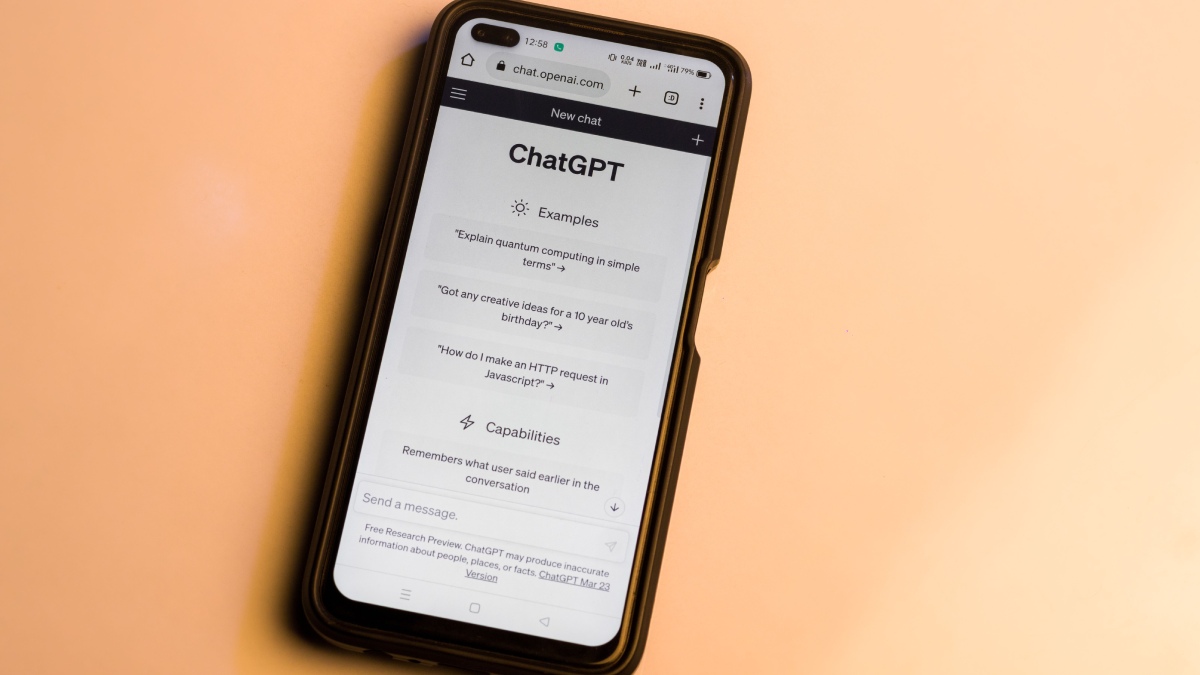
Based on the app code reported, users could choose a conversation and activate a "lock" or "protect" option. Once locked, the chat might disappear from the sidebar, history, and search results. Access would then require an additional authentication step, possibly with a PIN or fingerprint scan.
That would give privacy even if someone was able to briefly access an unlocked phone or computer.
How is it different from Temporary Chat
ChatGPT already has Temporary Chats for conversations users don't want to be retained in their normal chat history.
OpenAI says Temporary Chats are automatically deleted and do not create memories or get used to train its models.
Locked chats would serve a different purpose. Instead of disappearing, a sensitive conversation could still be available to the account owner but hidden behind more security.
That could make the feature particularly useful for conversations that users want to keep but do not want visible whenever someone opens the ChatGPT app.
What about ChatGPT's existing security features
OpenAI already offers several account-level security options. Passkeys, for example, can use device-based authentication Face ID, Touch ID, a device PIN, or a security key to verify a user's identity.
OpenAI also has added more security features, such as Lockdown Mode for users with a need for more protection in the handling of sensitive data.
The locked-chat feature reported would be different, and it seems to be focused on specific conversations rather than the whole account as well.
When will the feature arrive
There is actually no public release date. The functionality was found in inactive code in a recent version of the Android app, so it may still be in development. OpenAI could modify it, delay its release, or refuse to launch it.
However, users should not expect that PIN or fingerprint protection for individual ChatGPT conversations is already available.











Comments