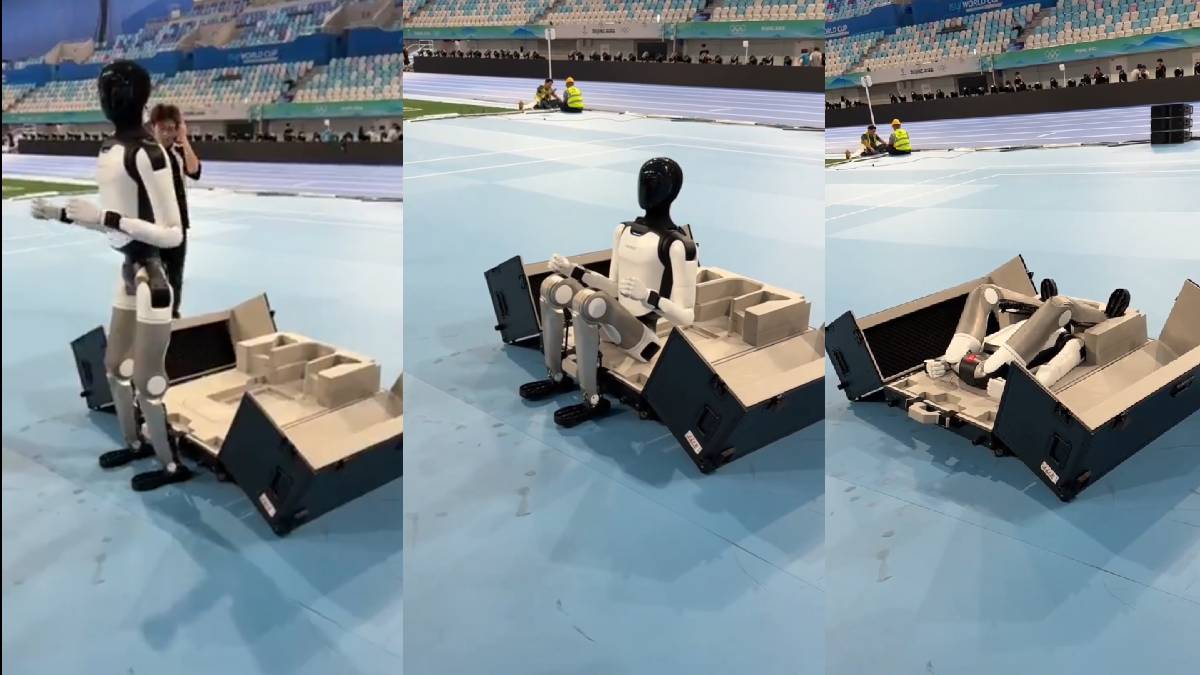
China is testing a new approach to autonomous trucking that might accelerate the use of self-driving technology in freight transport. Instead of replacing trucks with fully autonomous vehicles all at once, the system allows for one human-driven truck to lead a convoy and autonomous trucks follow behind.
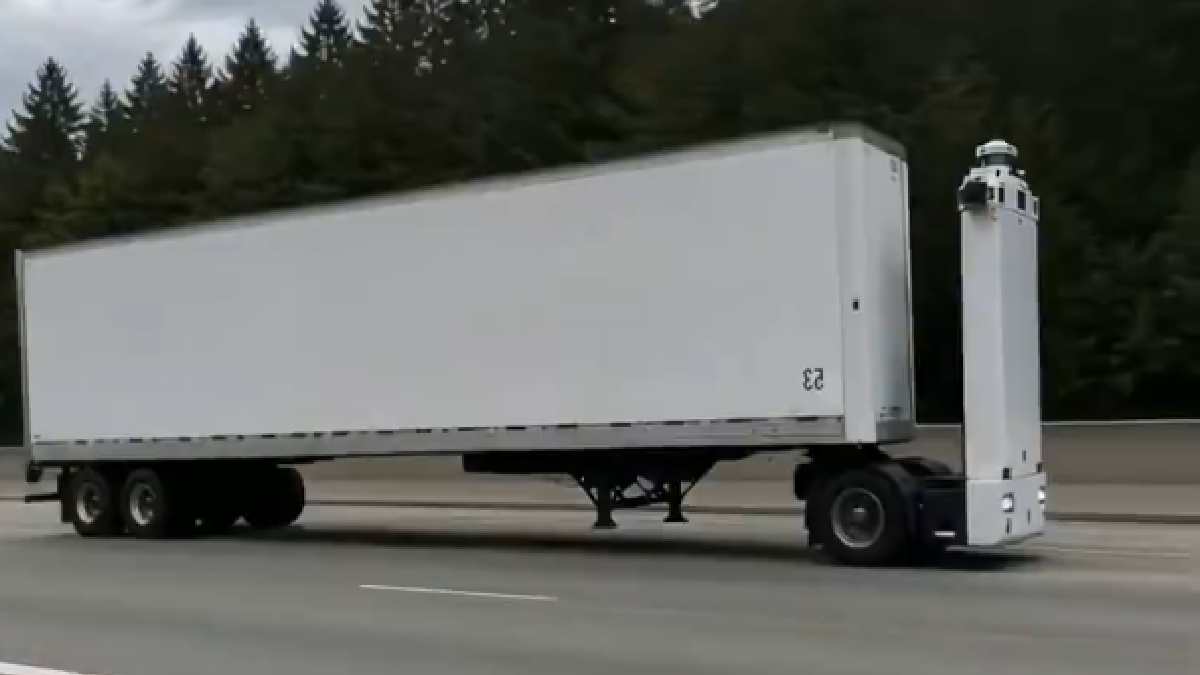
The approach, also known as autonomous convoying or platooning, is intended to marry human supervision with automated driving. The lead vehicle is controlled by a professional driver, while the following trucks use sensors, cameras, artificial intelligence and vehicle-to-vehicle communication to keep track of the convoy and respond to any changes in the convoy.
The strategy would be particularly useful in controlled logistics environments. Freight terminals, ports, industrial parks, mines and logistics routes create more predictable conditions than busy public roads.
This could allow autonomous trucking technology to be deployed commercially in some areas before regulators and companies are ready for widespread driverless operations.
The challenge for autonomous trucking is the complexity of real-world roads. Trucks must be able to deal with unpredictable traffic, pedestrians, weather conditions, road construction and complicated junctions. Automation that can get rid of some of these variables by steering along controlled routes could make automation an easier and safer process.
The driver-led convoy model could also reduce the need for every truck to have a dedicated driver yet continue to have a person at the front of the group. And for logistics companies, that could not only help to fill the driver shortfall but improve the efficiency of long-distance freight operations in general.
Another advantage might be that companies don’t need to replace their entire fleets right away. Instead, autonomous trucks could be introduced alongside the existing fleet to be incorporated gradually. That could reduce the initial investment in automated freight transportation and the cost of transitioning to that.
China is testing a different way to automate trucking.Instead of replacing every truck at once,one driver can lead a convoy while autonomous trucks follow behind.This kind of deployment could make freight automation arrive much earlier in controlled logistics sites than on roads pic.twitter.com/S0ZwAZ3lUw
— Boden | China Views (@BodenViews) August 17, 2026
China has been investing heavily in intelligent transportation, artificial intelligence and autonomous vehicle technologies. In addition, the country is being increasingly used as a test site for automated logistics, with companies looking at self-driving trucks to be used in ports, warehouses, mining operations and other controlled environments.
But widespread deployment still faces significant challenges. Autonomous trucks need to perform well and the companies and regulators need to address safety standards, liability, cybersecurity, infrastructure and the role of human drivers.
The convoy model is therefore a gradual path towards freight automation rather than an overnight replacement of truck drivers. Such systems might be a stepping stone to conventional trucking or fully autonomous freight networks if testing is successful.
For the logistics industry, the importance of the technology might lie less in fully driverless trucks arriving all at once and more in the way automation can be implemented as a step-by-step process. Driver-driven routes and driver-led convoys could be a real-world test ground for autonomous freight.