Google’s Gemini artificial intelligence assistant has crossed the 1 billion monthly active users milestone, a big accomplishment for the rapidly growing AI ecosystem.
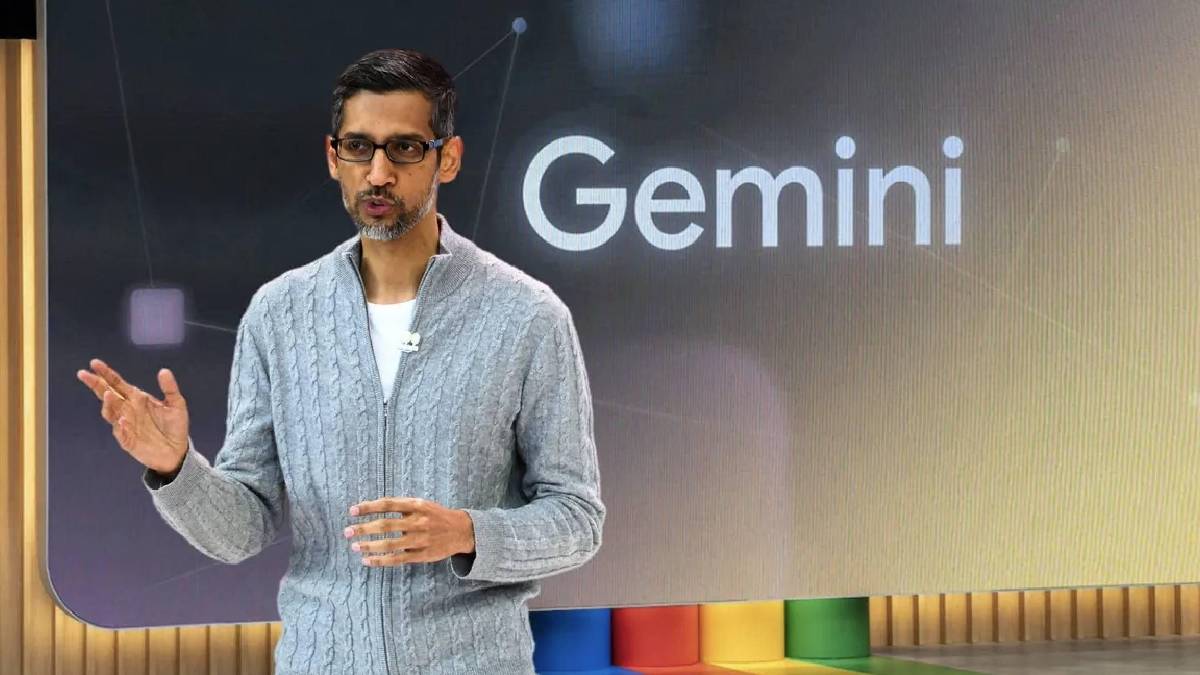
Google CEO Sundar Pichai announced the milestone on X, describing Gemini as Google’s fastest-growing product and hinting that “much more” is on the way.
The milestone comes at a crucial time for Google as the company is in the middle of a major phase of its development of the next Pixel phones, with the next generation of Pixel devices being released next month. The Pixel 11 series will get a lot more attention in the upcoming months for Gemini integration and will have the AI assistant more prominent in Android smartphones.
Gemini Reaches 1 Billion Users
Gemini’s reported 1 billion monthly users represent a significant expansion for Google’s consumer AI strategy.
The Gemini app was released early in 2024 as the successor to Google’s Bard chatbot, giving users access to Google’s generative AI capabilities in a single application.
Reaching the 1 billion monthly-user mark in roughly two and a half years is remarkable. Google has described Gemini as its fastest-growing product, but comparisons with older Google services need to take into account the very different technology landscape and distribution models involved.
For example, YouTube and Gmail took much longer to build audiences of a similar scale. Gemini also benefits from the vast reach of Google's existing Android and Google services ecosystem.
However, the reported figure is for the Gemini app and does not imply that every person who uses Google's AI-powered features in other products and services does.
Gemini Becomes Increasingly Multimodal
Google is also highlighting the changing ways users interact with Gemini.
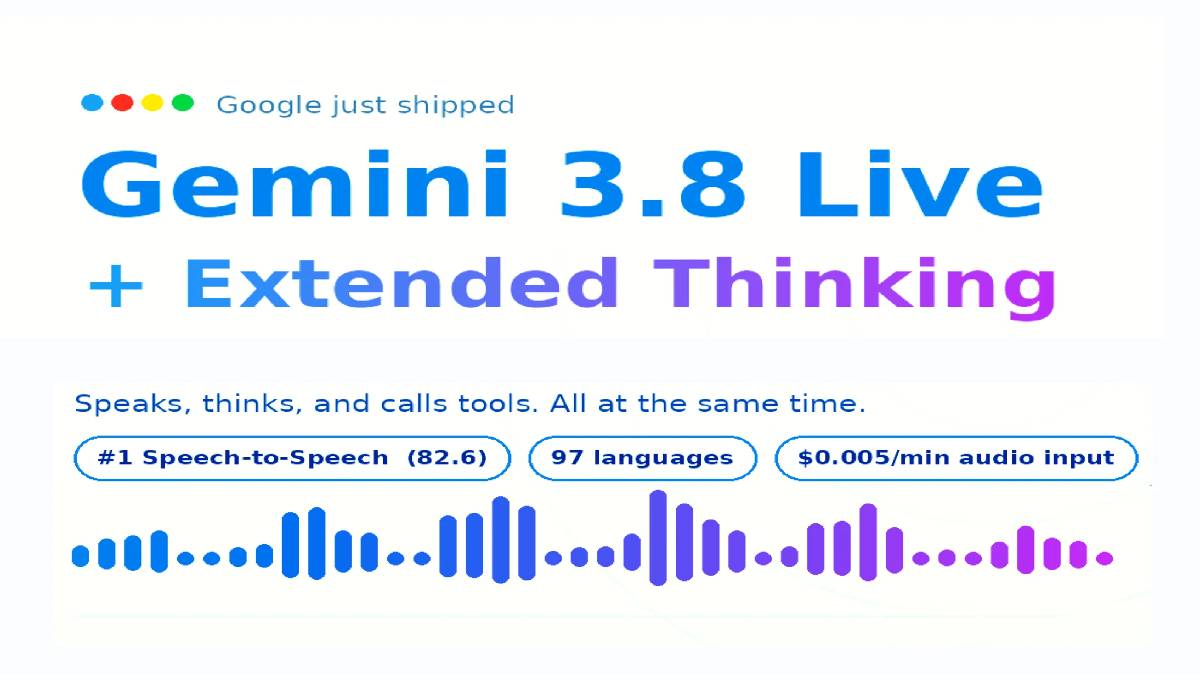
More than 63 per cent of people use Gemini with voice, indicating the increasing relevance of conversational AI, as opposed to text-based chatbot interaction.
Gemini Live has also become a key part of Google's multimodal strategy. At least one in five Gemini Live sessions involves camera or screen sharing, allowing users to interact with the AI while showing it visual information.
These capabilities could be more important as Google looks to differentiate Gemini from competing AI assistants.
Instead of being a chatbot based on text, Gemini is to be seen as an AI assistant capable of understanding voice, images, screens, and other types of information.
Pixel 11 Could Enhance Gemini Integration
The launch is a big deal because Google will launch the Pixel 11 series very soon.
The new smartphones could also provide Google with yet another chance to integrate Gemini more deeply into its hardware and software ecosystem.
Rumours have been around new AI-driven features and tighter integration between Gemini and Pixel devices. There has also been speculation about a Pixel Glow system on Pro models, potentially opening up new ways for Google's AI capabilities to interact with the phone's interface.
If Google can make Gemini a more embedded part of the Pixel experience, then the Pixel 11 could become an important showcase for the company’s AI ambitions.
1 Billion Users Does Not Guarantee AI Leadership
Despite the impressive user milestone, user numbers alone do not determine which company is leading the artificial intelligence race.
Google is still competing with some big AI companies like OpenAI and Anthropic, each of which has developed powerful models and consumer-facing AI products.
Google is therefore under pressure to not only attract users but also keep Gemini competitive in reasoning, accuracy, coding, multimodal capabilities, and overall model performance.
Delays or changes to future Gemini model releases could further increase expectations around Google’s next generation of AI technology.
What Comes Next for Gemini?
The 1 billion-user milestone gives Google a huge audience on which to build its next phase of AI products.
The company’s challenge now is to turn that scale into a stronger ecosystem in which Gemini becomes an everyday assistant rather than just another chatbot.
A Pixel 11 launch could be a crucial test of that strategy. Deep integration between Gemini, Android and Pixel hardware could allow Google to demonstrate what an AI-first smartphone experience looks like.
For users, the most important question may not be how many people use Gemini, but what Google can actually do with that huge audience.
With Gemini already reaching 1 billion monthly users, the next stage of Google's AI strategy could focus on making the assistant more capable, more multimodal, and more deeply integrated into the products people use every day.