At the same time, Epic Games and Google are set to abandon a joint settlement offer, clearing the way for a court-ordered shake-up of the Android app ecosystem that would change the way apps get distributed in the United States. The decision means Google now faces a court-ordered injunction from Judge James Donato that it must open Google Play to rival app stores beginning July 22, 2026.
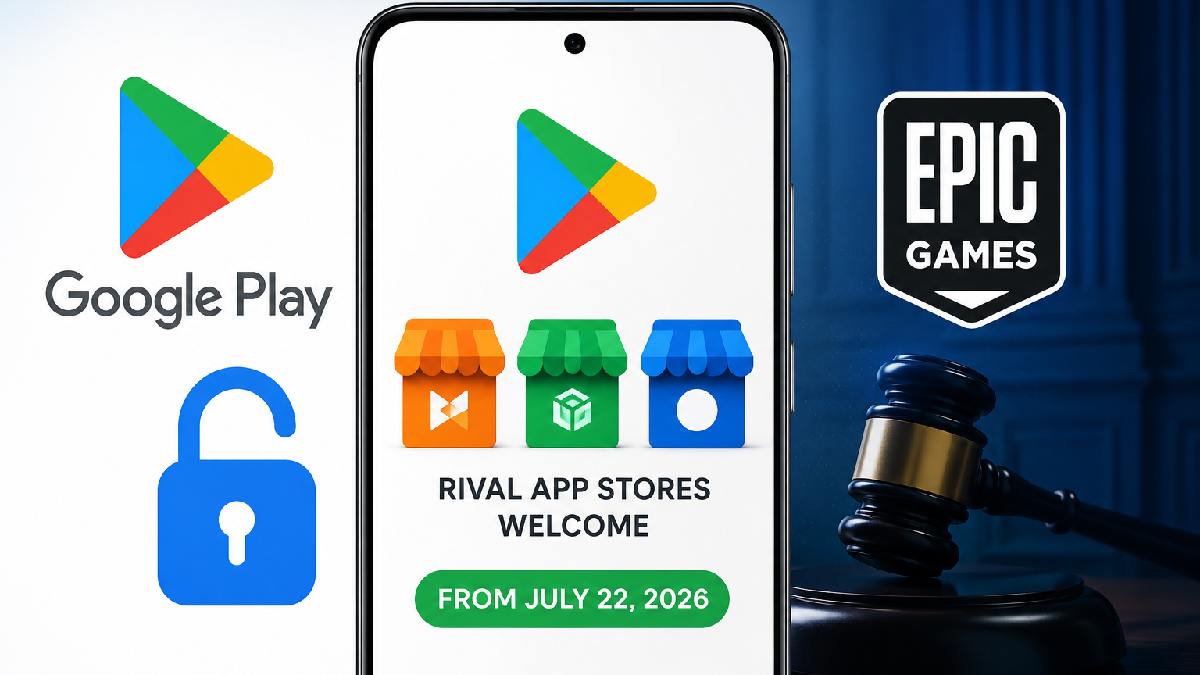
The two companies had earlier tried to remedy the injunction by way of a different proposal to do so with a sideloading-based registered app storage program. Now, Google will have to implement the stricter version of the court's ruling. Third-party app stores will be allowed to operate directly within Google Play and be able to access Google Play's app catalogue and be admitted to the same terms as apps that are published on the Play Store.
The change effectively creates a “store-within-a-store” model for Android in the United States, and it’s the biggest change in Google’s app distribution since Android launched. To facilitate this transition, Google has created a Play Catalogue Access Program for companies that wish to run alternative app stores.
According to the program’s requirements, participating storefront operators must pay an annual fee of $5,000 to cover security and policy reviews. They must also work as legitimate marketplaces with transparent trust and safety policies and maintain a global malware installation attempt rate of no more than 1 percent.
The new system is likely to have big implications for app developers. Google will tell developers that their app and game listings will be available to participating rival storefronts unless they opt out manually through the Play Console. This means that alternate app stores could offer large app libraries without developers having to republish their applications individually.
The legal fight is rooted in a jury verdict that found Google had an illegal monopoly on the distribution and billing of Android apps and had been doing so for years. Judge Donato’s injunction had been designed to increase competition by diminishing Google’s control over how Android apps are distributed and sold.
The changes could, therefore, lead to lower prices, better discounts and more generous reward programs as competing app stores compete directly with Google Play. Developers may also have a lot more freedom in pricing and promotional strategies without being tied to Google Play.
Also, the decision is likely to put pressure on Apple, where the App Store is much more tightly controlled than Google’s platform. Industry analysts suggest regulators may use the Android case to guide future antitrust discussions regarding Apple’s app distribution policies.
Although Google is worried about security threats of more general app distribution, the court has found that increased competition outweighs those problems as long as participating storefronts meet the required safety requirements.
As July 22 begins to approach, the Android app ecosystem is about to enter a new phase where Google Play will no longer be the sole point of entry to app distribution for many Android devices in the United States. The result would fundamentally alter the balance of power between platform owners, developers and consumers in the mobile industry.