For decades, years of experience were viewed as the best asset for those seeking higher-level job prospects. Long careers were often associated with skills, leadership, and reliability for employers.
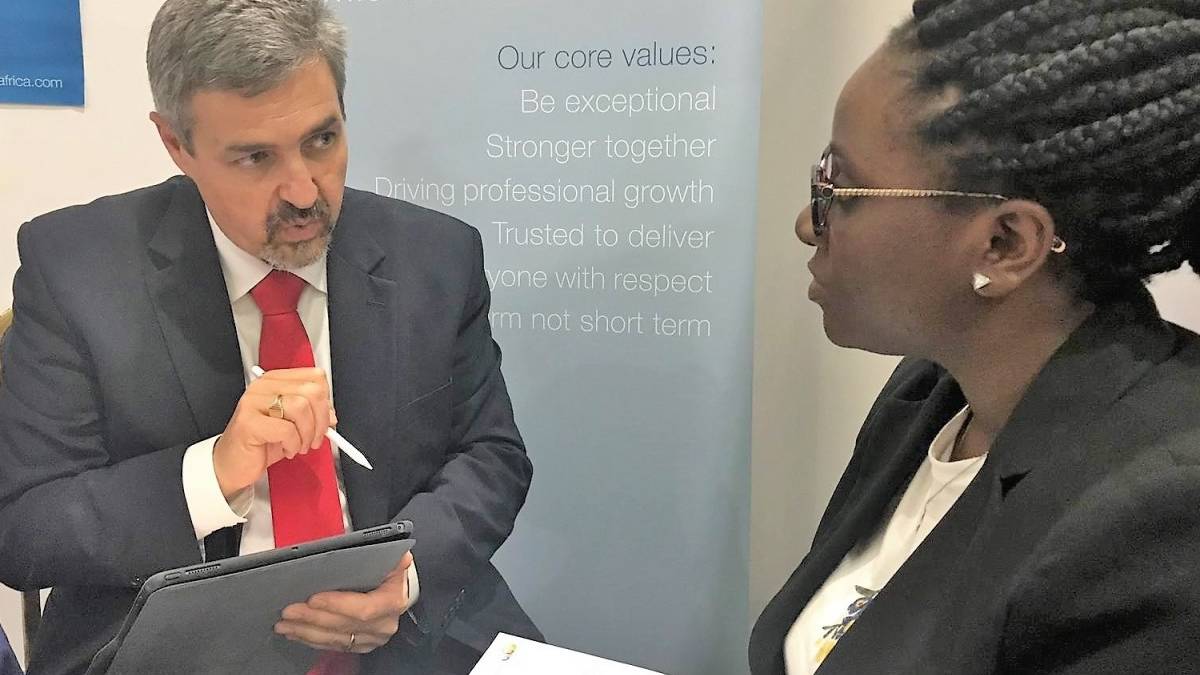
But today’s fast-paced workplace has altered that equation so much that experience is no longer the deciding factor to hire senior-level professionals.
Modern organizations look for leaders who are flexible, fast-moving, and adaptable; which are needed in modern organizations. In the age of artificial intelligence (AI), automation, digital transformation, and hybrid work environments, employers are moving to skills and agility over tenure and not just old-fashioned rigmarole.
One of the key reasons is the speed of technological advancement. The world is changing faster than ever before and that’s the reason why companies are now requiring more digital tools, data-driven decision-making, and AI-driven workflows in the workplace, and top executives and management to know digital tools, data-driven decisions, and AI-driven workflows as they are all very much part of their jobs.
People who are constantly learning and growing their skills are likely to be better than those who only have a few years of experience.
Another factor is adaptability, and companies want leaders who can adapt to changing market conditions, manage remote or hybrid teams, or lead organizations through uncertainty. Recruiters look at how candidates solve problems, handle change, and inspire innovation more than simply how many years are listed on a resume.
Leadership expectations have also evolved. Senior professionals are now expected to show emotional intelligence, cross-functional collaboration, strategic thinking, and the capacity to build inclusive workplaces. Common career accomplishments are rarely the ones that are more important - it is the company’s performance and business growth that is most important.
In addition, employers are putting greater emphasis on results that are measurable rather than job titles. Hiring managers also want to know how candidates increased revenue, reduced costs, improved productivity, launched successful initiatives, or transformed business operations. Quantifiable results provide more evidence of capability than years of service alone.
The increasing availability of AI-powered recruitment systems has changed the hiring process. Applicant tracking systems and AI-based screening tools are mostly based on relevant skills, certifications, recent achievements, and keyword matching. This means professional employees who regularly update their skills and professional profiles will have more visibility when recruiting.
So continuous learning is now essential. Executive education programs, professional certifications, industry workshops, and online courses reflect the willingness to change. And increasingly employers view lifelong learners in an era of business challenges as being more amenable to a degree of knowledge and skills to cope with new business challenges.
Networking and personal branding also play a key role in today's senior job market. Maintaining a strong professional presence on LinkedIn, participating in industry events, publishing thought leadership content, and expanding professional connections can help in career development.
I think that for experienced professionals this changing environment is not a disadvantage; instead, it is an opportunity to combine the knowledge from decades of industry experience with modern skills and a growth outlook. Experience still offers valuable judgment, resilience, and strategic perspective, but the ability for adaptation and development should continue.
As the workplace evolves, senior management who are committed to lifelong learning, have a measure of impact, and are willing to be flexible will be best placed to secure leadership positions in an ever-evolving job market.