India will become an equity investor in semiconductor startups under the newly approved Semicon 2.0 initiative, a major step in the country’s strategy to build a world-class chip ecosystem.
Instead of just grants and subsidies, the government will now co-invest in promising semiconductor startups and gradually sell out once these companies achieve commercial scale.
The move is seen as a strategy by India Semiconductor Mission (ISM) CEO Amitesh Kumar Sinha as a long-term strategic partner and not a funding agency. It will help to attract more private investment and lower the financial risk to early-stage semiconductor companies, which will make it easier for them to get funding.
Unlike the first phase of India’s semiconductor mission, which focused on manufacturing incentives, fabrication units, and assembly and testing facilities, Semicon 2.0 extends support to chip design, fabless startups, research, advanced packaging, and innovation.
The government will provide milestone-based funding and acquire equity in selected startups alongside venture capital firms and private investors.
This investment model will create a better alignment between the government and entrepreneurs, officials say. Once startups mature and find private capital or become commercially viable, the government will exit its investment and turn them over to new semiconductor startups. It aims to create an ecosystem that generates in its own right; not just a series of grants.
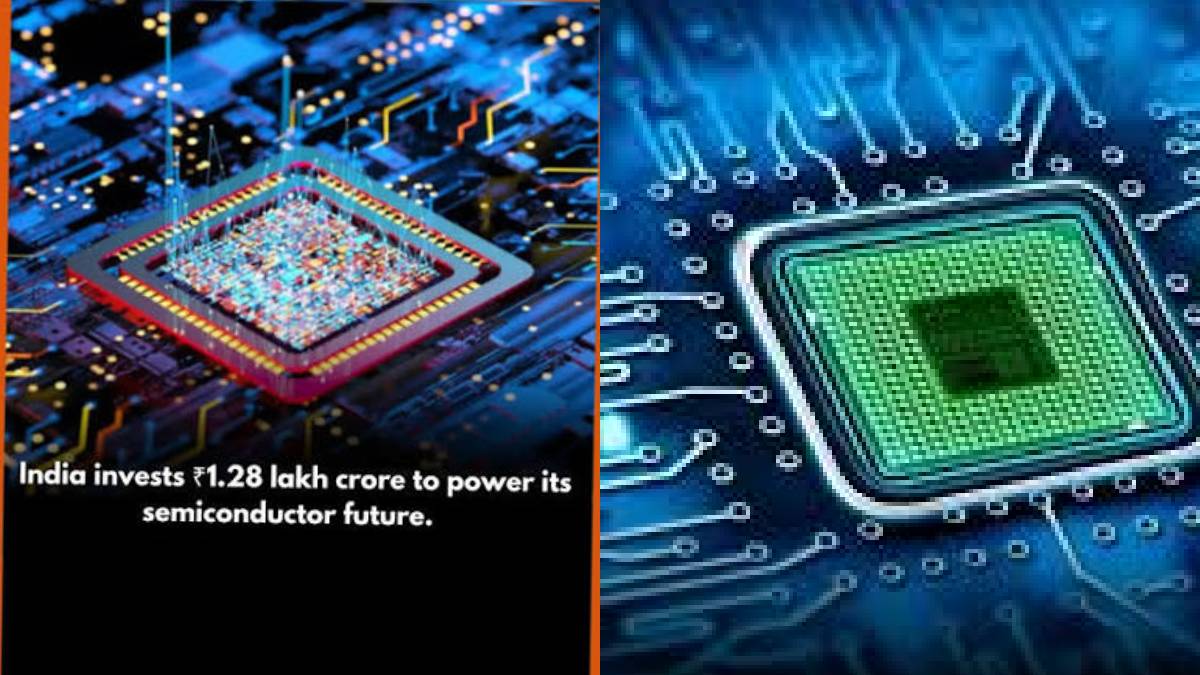
The Union Cabinet recently approved Semicon 2.0 at a cost of ₹1.27 lakh crore and it is one of India’s largest technology investment programs. The mission aims to build on every stage of the semiconductor value chain including design, manufacturing, equipment, materials, talent development, and supply-chain resilience.
India has been aggressively positioning itself as a global semiconductor manufacturing hub with a growing global supply chain. Most of the international chip makers have already initiated chip packaging, testing, and fabrication projects in India and domestic companies are also growing their semiconductor business.
Industry experts say that equity support may encourage more entrepreneurs to enter deep-tech areas where development costs are high and commercial returns often take years. The government would like to nurture globally competitive semiconductor companies, which it has said can serve domestic and international markets.
The initiative is also consistent with India’s larger goal of reducing reliance on imported semiconductors as well as strengthening electronics manufacturing in India under the Make in India initiative.
In the world of artificial intelligence, electric vehicles, telecommunications, and consumer electronics, Semicon 2.0 could play a crucial role in making India a world-leading semiconductor manufacturing center in the near future.