The more artificial intelligence is able to generate realistic images, the harder it is to determine whether a photograph captures a real event or has been digitally generated or manipulated. Apple believes a photograph from a real camera sensor can be hard to prove and the new Apple Reference Image feature that will do that will help to provide a better indication.
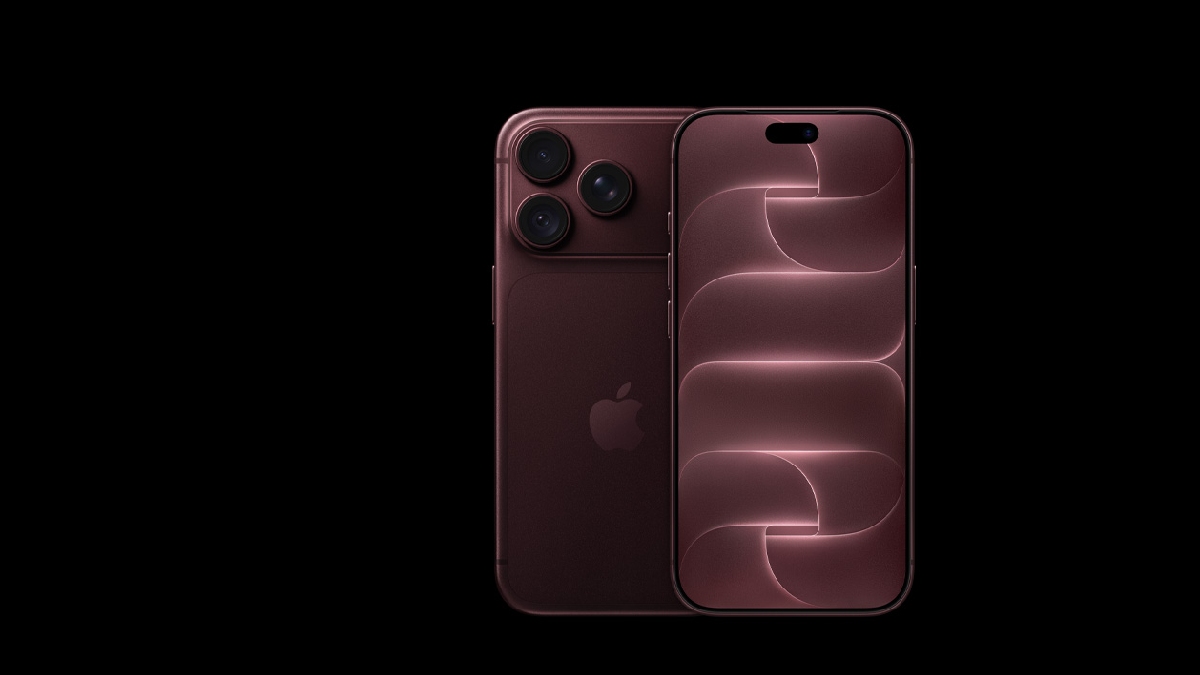
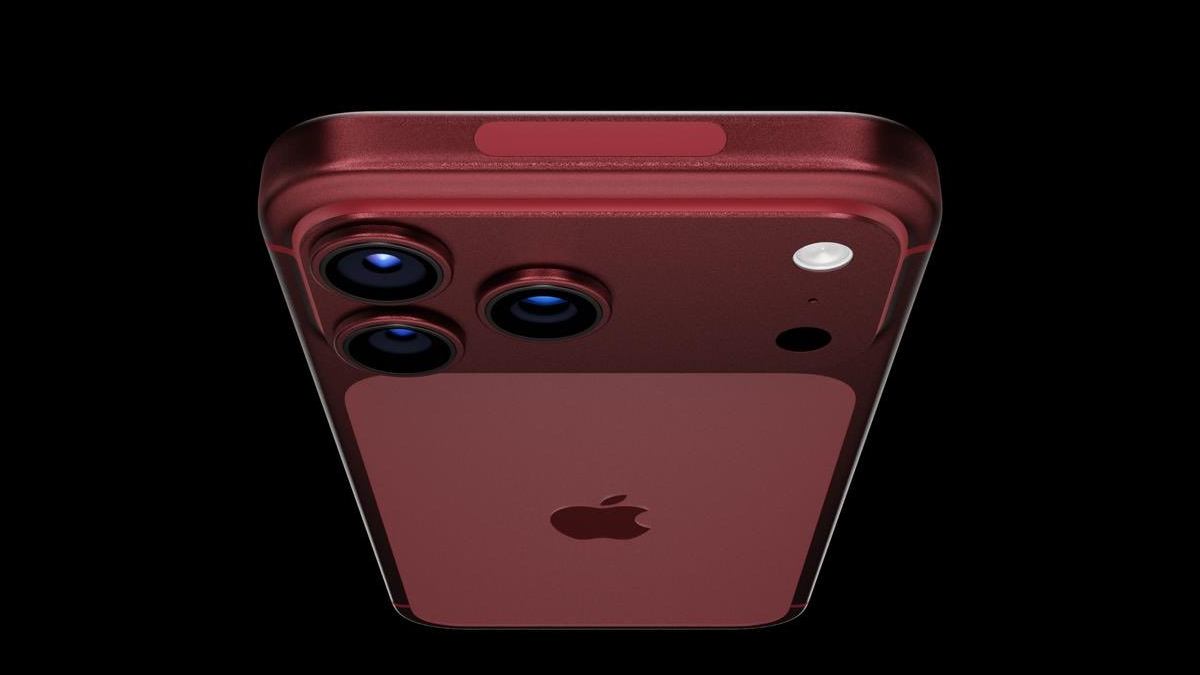
The new technology, which is available only on the iPhone 18 Pro and iPhone 18 Pro Max now, takes a different approach from traditional image-authentication systems. Instead of adding verification information after an image has already passed through a phone’s software, Apple moves the process much closer to the moment when the camera captures the scene.
According to Apple's description, Reference Image starts at the camera hardware level. The idea is to have a trusted record of the image before the operating system has the chance to modify the pixel data captured. This results in something Apple calls a secure digital negative that can be subsequently converted into a viewable photograph.
The limitations of Photo Verification.
Many existing systems that seek to establish the provenance of digital images rely on metadata or credentials that are attached during or after the image processing stage. While these methods can provide useful information about an image’s history, they are susceptible to a weakness: the image has already been processed by software and its authenticity information has been verified.
That creates a theoretical opportunity for manipulated or fabricated pixel information to enter the workflow before the verification data is attached. Apple’s Reference Image system attempts to address this issue by shifting the starting point of authentication to the camera sensor itself.
The approach is particularly relevant at a moment when generative AI tools can render convincing photographs of people, locations and events in seconds. A system that can establish a trustworthy connection between captured light and the resulting image could be even more vital to journalism, documentary work and any other situation where photographic evidence is central to the reporting.
How Apple Reference Image Creates a Secure Digital Negative
When Reference mode is activated, the camera sensor is supposedly in a secure state. When light hits the sensor and is converted to digital pixel information, the sensor hardware cryptographically signs the captured data.
The system also adds cryptographically verified upper and lower time boundaries to the captured information. Since the signing process takes place in the sensor hardware, the iOS operating system is not able to simply change the original pixel information or the verification data.
The resulting file of raw information is a secure digital negative. The system does not just produce an ordinary processed photograph, but keeps a record of what the camera sensor originally took.
This distinction is critical because in most smartphone photography, much computation takes place. Modern phones can adjust the quality of exposure, colour, noise, sharpness and so on before they produce the final image. Apple’s approach attempts to establish authenticity before software-based processes get involved.
Private Cloud handles the development process
The secure negative itself is not necessarily a photograph which users can readily view. Apple says the next step is to turn the captured information into a usable image.
For this process, the secure negative is sent to Private Cloud Compute (PCC), Apple's privacy-focused cloud computing infrastructure. PCC performs the algorithms needed to create the final image and is designed to prevent Apple from accessing user data.
Once the processing is done, the resulting image will receive a cryptographic signature before being sent back to the iPhone. Apple says this signature uses post-quantum cryptography, and it adds an additional layer of protection against future advances in computing that could damage some existing cryptographic systems.
The combination of hardware-level signing and private processing is intended to ensure that the image can be verified without Apple needing to get access to the photograph itself.
It Could Matter For Journalists Anonymous Verification Could Matter.
Another important aspect of the system is the identity approach. Rather than requiring a photographer credential on every authenticated photograph, Apple Reference Image employs anonymous hardware attestation.
That might be useful if you need to show that an image was taken from a real camera, but you don’t know who captured it. Photojournalists, researchers and people documenting events in sensitive environments might benefit from such a distinction between proving the authenticity of an image and revealing the identity of its creator.
Apple also added a mechanism to deal with compromised hardware. When a camera sensor is found to have been compromised, the authentication capability can be revoked.
The system can deliver revocation information to devices, allowing verification systems to identify signatures that are associated with hardware that is no longer trusted. It is then possible to react to security failures without having the entire authentication framework abandoned.
A New Way of Trust in Digital Photography.
Apple Reference Image is part of a larger attempt to address one of the biggest challenges posed by generative AI: whether digital content can be trusted. As synthetic images become increasingly difficult to distinguish from photographs, technical systems that establish provenance at the point of capture could become more important.
The feature does not mean that every photograph automatically becomes an unquestionable record of reality. Authenticating that image data came from a particular camera system is different from independently proving everything depicted in the photograph. Context, interpretation and subsequent editing can still matter.
But moving authentication into the camera hardware and integrating it with privacy-oriented image processing, Apple is attempting to create a stronger chain of trust from the moment a scene is captured to the last photograph viewed by another person. For users who are concerned about the growing difficulty of distinguishing true photographs from AI-generated or manipulated media, the iPhone 18 Pro’s Reference Image technology could be one of the most significant advancements in digital photography.