Nothing Phone (2) owners have come to the end of an important part of the device’s software lifecycle. The smartphone will no longer get major Android upgrades after Android 16 so users shouldn’t expect to see Android 17 or Nothing OS 5.0 on their phone. Some owners were disappointed with this move but Nothing CEO Carl Pei has defended it saying that “we’ve delivered the software-update commitment we made when we launched the phone.”
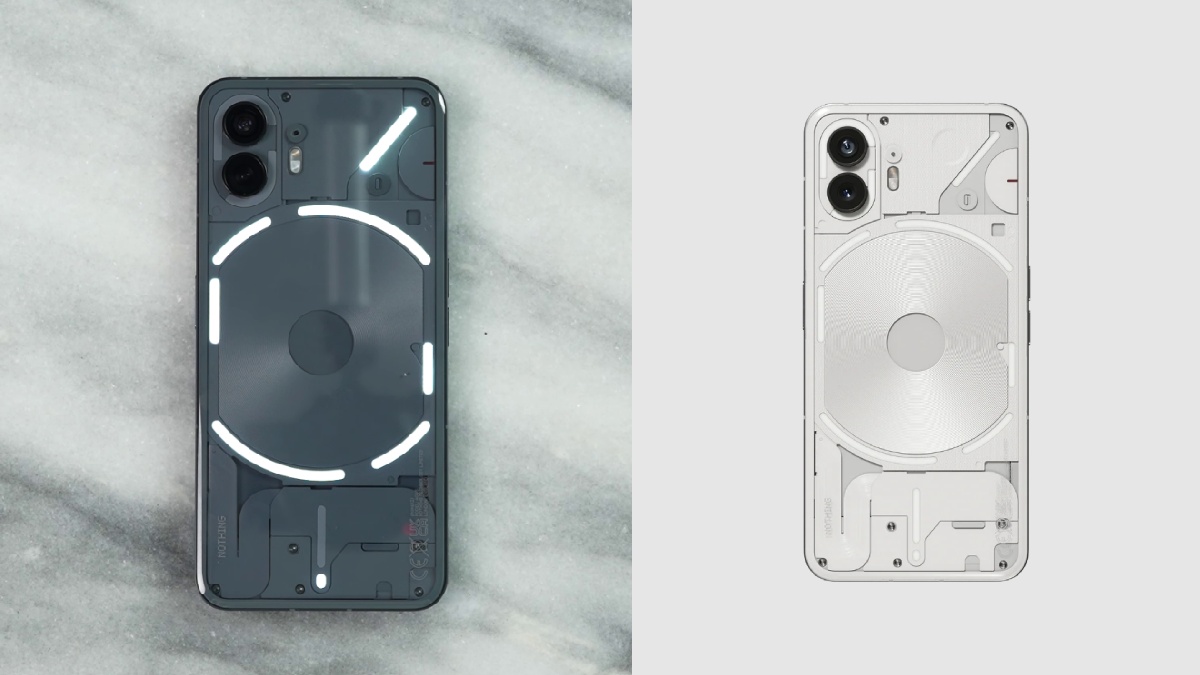
The Phone (2) shipped in July 2023 with Android 13. Nothing had promised three major Android upgrades for the phone and those have been delivered through Android 14, Android 15 and Android 16. Because Android 13 was the software version installed when the handset shipped it doesn’t count as one of the three promised upgrades.
The distinction is important because software-support promises are often misunderstood. When a manufacturer says that a smartphone will get three major Android updates, the versions generally start with the next Android release after the version installed at launch. For Phone (2) therefore Android 16 is the third major upgrade.
Pei addressed the issue on a Reddit thread on September 4 and explained why the Phone (2) can’t get Android 17: “The kernel is too old now, chipset vendor stopped supporting newer versions of Android for that platform.” The Phone (2) uses Qualcomm’s Snapdragon 8+ Gen 1 chipset which was already an established processor platform when Nothing launched the handset.
That explanation hasn’t stopped some Phone (2) owners from criticising it. The smartphone is still powerful enough for everyday use, gaming and demanding apps so some say its hardware should be able to run another Android generation but supporting a new Android version isn’t just about having a sufficiently powerful processor: kernel support, chipset compatibility, drivers and vendor-level software support can all determine whether a manufacturer can deliver a stable update.
There is some good news for existing owners though. The end of major Android upgrades doesn’t mean Nothing is immediately dumping the Phone (2). Security updates are expected to continue through 2027. So users can keep using the smartphone without losing access to security fixes because Android 17 won’t be available.
The controversy gets more interesting when Nothing’s newer smartphones are taken into account. The company’s software-support policy has gotten much bigger with newer models, the Nothing Phone (3) is supported by five major Android upgrades and seven years of security updates; that’s a far cry from the Phone (2)’s original three-upgrade commitment.
That’s awkward for loyal Nothing customers, a smartphone that was once billed as flagship can be software obsolete sooner than some newer and less expensive phones in the company’s lineup. The Nothing Phone (2a) which arrived at a lower price point in 2024 also got three major updates, too; newer products get support from this evolving strategy.
The move reflects a broader shift in the smartphone industry as well. Three major Android upgrades were once viewed as respectable but expectations have changed fast. Companies like Samsung and Google offer substantially longer software-support periods on several of their devices now. As people keep their smartphones four, five or more years consumers are looking at software support as an important part of phone value.
For Nothing the issue is especially acute because it started out as a company that did things differently. Transparent hardware, Glyph interface and minimalist software made its products stand out from the Android sea of sameness. As the company grows, though, it has to balance design identity with practical features, better software support and sustainable business decisions.
Pei also mentioned several other areas Nothing could work on during the Reddit discussion. One was pre-installed apps, some users have complained that there are too many apps and games included (Nothing OS gets more commercially ambitious as time goes by). Pei said the company needs to find a better balance between making money and keeping the clean software experience that attracted many customers in the first place.
Design was another big topic. Long-time Nothing users say the company’s visual identity has been drifting away from that established by Phone (1). Pei said Nothing needs to go back to the spirit of its earlier products (2) so perhaps the company’s original design philosophy plays an important role in how it looks into the future.
The company is also being criticized for Phone (3) as well, display problems have been reported. Nothing’s Essential Search feature has also been questioned as to whether it provides enough value compared with Google’s existing search and AI capabilities. These are all pieces of a larger puzzle facing the company in trying to build a stronger identity in a highly competitive smartphone market.
For Indian consumers the end of major updates to Phone (2) is especially important because it’s a big device in India where Nothing is one of the more recognizable newer smartphone brands. Indian consumers also tend to think long term when purchasing smartphones so software support becomes increasingly important as a buying criterion.
Existing Phone (2) owners don’t necessarily need to replace their devices yet either. The handset is still capable and security updates will continue through 2027; but those who plan on keeping their phones for a few more years should know that Android 16 is effectively the end of the road for major Android evolution on this device.
For prospective Nothing buyers the company’s newer update promises might be more important than Phone (2 specs or launch price. The company’s five-generation Android promise for Phone (3) shows that Nothing has noticed the change in expectations around smartphone longevity.
At the end of the day, Phone (2)’s update story is less about a broken promise than an industry that’s past those standards by 2023. Nothing seems to have lived up to what was promised but it also shows why consumers should look at software support policies before buying a smartphone. For Phone (2) users, Android 16 is the last big Android upgrade and security support means the device will be around for a little longer.
The bigger test for Nothing will be whether the newer phones can combine longer software support with the distinctive design and user experience that made the company stand out in the first place.