And the slow transition from physical game discs to digital downloads and subscription services has many gamers wondering why Sony is now focusing less on disc-based gaming.
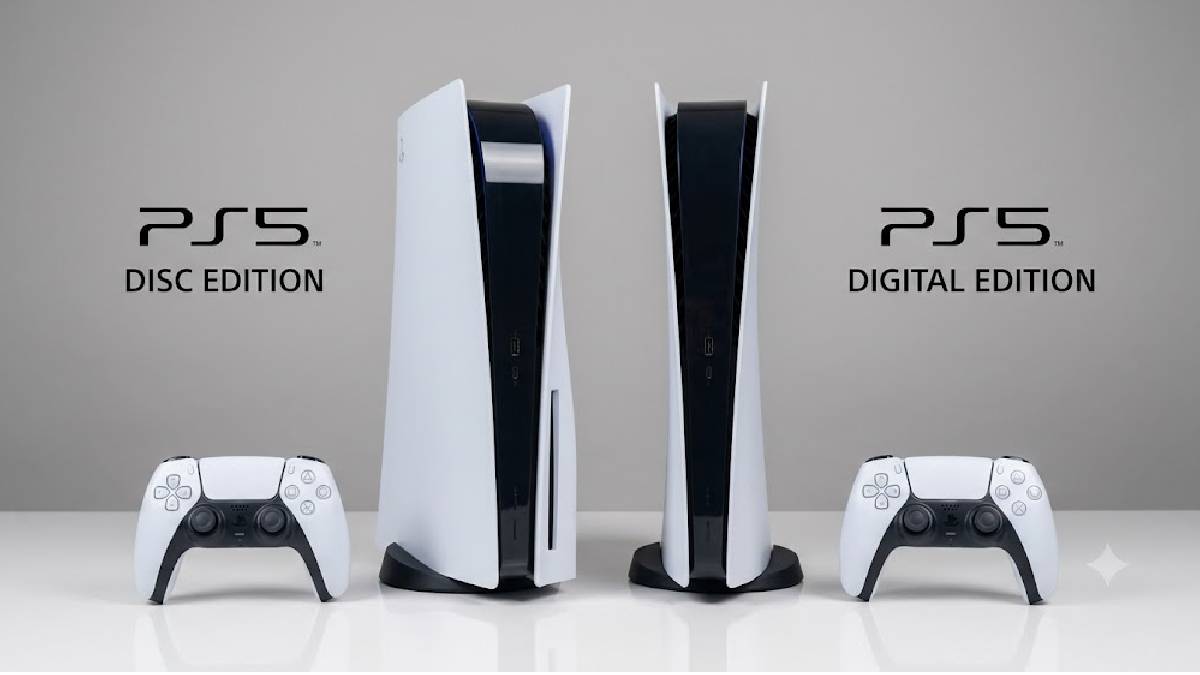
Saying there is more than one game is more valuable in people’s lives, the debate got going when Sony introduced disc-less versions of the PlayStation 5 and continued to promote digital game purchasing through PlayStation Store.
Industry experts see the decision as driven by changing consumer habits rather than a sudden business strategy.
Digital game sales have soared in the last decade. Over the past decade, people now download games to their consoles rather than going to a store for physical copies.
Digital purchases enable players to access games online and automatically update them, and not need to switch discs while gaming.

Another major factor is cost. Blu-ray discs are made, packaging, shipping products and maintaining retail distribution networks are very expensive.
Digital games reduce these costs and Sony and game publishers can increase profit margins and make global distribution easier.
Subscription services have also played a major role. Platforms like PlayStation Plus provide gamers with access to large game libraries for a monthly fee, reducing the need for physical copies.
Cloud gaming technology is also evolving, allowing users to stream games without owning a disc or even downloading the full title.
But not everyone is happy with it. Physical discs are so much more legitimate to many players than online access to games.
Disc-based games can be traded with friends and kept in private collections. Digital purchases are linked to online accounts and they may not be available if licensing agreements change or online services are discontinued.
Collectors are also concerned. Limited edition game boxes, steelbooks, artwork and physical memorabilia are still good to collectors who view gaming as something more than just software.
Industry analysts think consumers themselves have been driving this change.
As millions of consumers turned to digital shopping for convenience and made online purchasing their business model to meet the demand, companies naturally adapted to meet demand, they said.
So Sony is reacting according to market trends, not to force them.
Competition has also influenced the strategy.
Other gaming companies have expanded their digital ecosystems, making online purchases, subscriptions, and cloud gaming central to their platforms. Sony’s approach is representative of broader changes in the gaming industry.
Unlike digital gaming, Sony hasn’t completely abandoned physical media. Disc-compatible PlayStation 5 models are still available, and external disc drives still allow players that like the physical games to use them.
That implies Sony is aware that there is still a place in the market for the traditional owner’s game.
Digital gaming is expected to dominate future console generations.
Physical discs may be less common but that is not to say we will never go back to just physical disc games.
PlayStation gaming will eventually balance digital convenience with physical ownership and will be much more open to players but in this way the industry will move as a whole.