
But the Congress on Friday criticized the Narendra Modi government over recent US actions targeting Indian IT companies and foreign-worker visa programmes and claimed the Prime Minister would not take retaliatory measures against the US government because he is politically weakened by the controversy the Opposition has termed “GyaneshGate”. The party insisted India has options to respond to Washington but the government is unwilling to challenge the US administration.
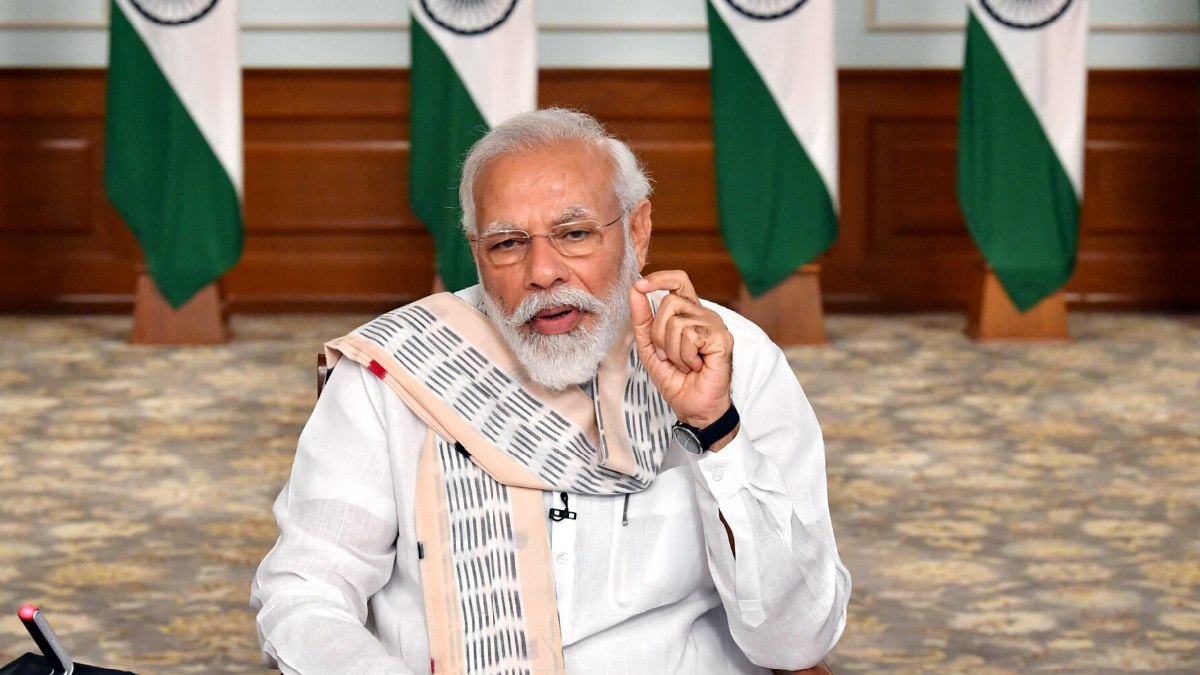
Congress general secretary in-charge of communications Jairam Ramesh said the latest American actions showed that appeasing powerful countries did not necessarily protect India’s interests. In a post on X, he linked the US action against Indian IT companies and professionals to what he described as the Modi government’s efforts to accommodate US President Donald Trump.
Ramesh also questioned the government’s approach to recently introduced charges relating to the Unified Payments Interface (UPI) and merchant discount rates (MDR). He claimed that the changes would benefit American companies and argued that the timing of the US measures raised questions about the effectiveness of India’s diplomatic approach.
The Congress leader said India had many options under current legislation such as the Digital Personal Data Protection Act, 2023 and its relevant rules. But he said the Prime Minister would not pursue such measures as he was “thoroughly compromised” and under “siege” over the GyaneshGate controversy.
These are the Congress' assessment of the government's response. The party's claims about the Prime Minister's position and the potential benefits of the UPI-related changes have not, by themselves, established that the government is unable or unwilling to take action.
What are GyaneshGate controversies?
GyaneshGate is the Opposition's campaign against Chief Election Commissioner Gyanesh Kumar and its demands for accountability on alleged irregularities in the Special Intensive Revision (SIR) of electoral rolls.
Opposition leaders have raised concerns about the electoral roll revision process and alleged voter deletions and have called for Kumar's resignation. The matter is also a part of a larger political battle between Congress and the government over electoral transparency and institutions.
By invoking GyaneshGate and criticising the government's response to US visa restrictions, Ramesh attempted to connect domestic political disputes to India's relations with Washington. The Congress argues that the government should be prepared to defend Indian businesses and professionals even if there is diplomatic friction.
The Indian government’s response to the US measures and what kind of countermeasures can be taken is of greatest significance in the debate over the protection of India’s economic and strategic interests.
That appeasement of bullies never pays is once again proven by the US Govt’s actions yesterday targeted directly against Indian IT professionals. This has come shortly after the Modi Govt went out of its way to please President Trump by imposing UPI MDR charges that will clearly and directly benefit American companies. India has a number of options to retaliate under laws already passed by Parliament like the Digital Personal Data Protection Act, 2023 and its Rules. But a thoroughly compromised PM now under siege on GyaneshGate will not do so.
— Jairam Ramesh (@Jairam_Ramesh) October 9, 2026
US action Targets major IT companies
The Congress’s criticism followed reports that the US government had suspended eight major technology companies from the Permanent Labour Certification, or PERM, programme. The companies named in the announcement included Cognizant, Infosys, Tata, Wipro, HCL, Capgemini, Microsoft and Adobe.
The PERM process allows for eligible employers to apply for labour certification and is also the route through which some foreign employees can apply for employment-based green cards. The US administration said the action was related to concerns about the use of the programme and allegations that American workers had been disadvantaged.
US Vice President JD Vance, Labour Secretary Keith Sonderling and Attorney General Todd Blanche were among those involved in the announcement under the US Anti-Fraud Task Force. Sonderling said the Department of Labour was suspending several large outsourcing firms from the programme, while Microsoft and Adobe were also cited in connection with active federal investigations.
The allegations against the companies and the stated reasons for the suspensions are for the relevant US authorities to assess. A suspension from the PERM programme should not automatically be seen as a final finding that every affected company has violated the law.
Vance also criticized Microsoft’s employment and visa practices. He claimed the company had laid off thousands of American workers while seeking approvals for foreign workers through visa programs. The administration has made the case that the rules should protect employment opportunities for U.S. citizens.
The measures have drawn attention in India since major Indian IT services companies have major operations in the US and hire professionals who work across international markets.
J-1 Visa Programme also Under Scrutiny
Along with the PERM programme, Vance also announced an investigation into the J-1 visa programme. The programme allows foreign nationals to visit the United States as exchange visitors for research, teaching, study and specialised professional training.
Research scholars and academic institutions at universities like Yale, Harvard, Stanford and Caltech use J-1 visa arrangements. If any changes to the programme may have implications on the technology sector, academic exchanges and international research collaborations will be affected.
The latest developments add to scrutiny of foreign-worker visa systems in the United States. For Indian professionals, the distinction between employment-based green cards, H-1B work visas and J-1 exchange visitor visas is important because each programme has separate eligibility requirements and procedures.
India’s Response And The Impact On IT Professionals.
The Congress has urged the government to consider legal and policy options instead of only diplomatic engagement. Ramesh's comments have placed reciprocity at the centre of the political debate, with the Opposition wondering if India is adequately defending its technology sector and overseas workforce.
Any potential Indian response would need to account for legal provisions, the interests of Indian companies and professionals and the broader economic relationship between India and the United States.
The Digital Personal Data Protection Act and its rules govern aspects of personal-data processing in India, but how and how they could be used to respond to the US measures would depend on the relevant legal and policy circumstances.
For Indian IT workers, the immediate concern is how the US action could affect employers seeking permanent labour certification and the whole process of employment-based immigration cases. And the impact will depend on the extent and duration of the suspensions, the status of individual applications and any further decisions by US authorities.
The issue has therefore been exacerbated by two sides: the practical impact of US measures on companies and professionals in India, and the political fight over Modi's response. The Congress has framed the issue as a test of India's willingness to stand up to Washington but the real impact will ultimately be on the US measures and the steps taken by the Indian government.





Comments