
The Enforcement Directorate (ED) has arrested a man in connection with an alleged cryptocurrency investment scam that is estimated to have caused losses of more than Rs 500 crore. The Korvio Coin (KRO) cryptocurrency scheme allegedly affected over 2.48 lakh investors.
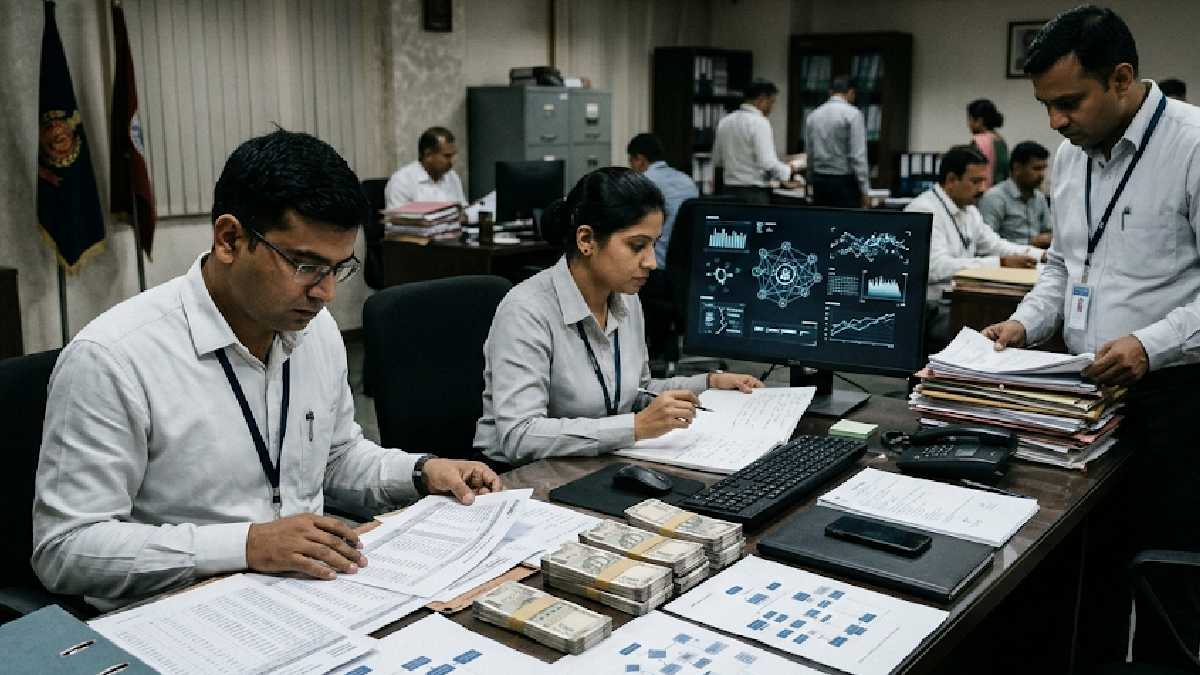
The arrest took place after the agency carried out searches at several places in Chandigarh, Mohali and Zirakpur on October 28. Officials reportedly seized Rs 72 lakh cash as well as property-related documents, electronic devices and financial records during searches.
The investigation is looking into an alleged Ponzi-style investment network that lured people in with promises of guaranteed and unusually high returns from cryptocurrency investments.
Atul Sood Arrested Under PMLA
The arrested person has been identified as Atul Sood who is suspected to be related to Subhash Sharma the so-called key man in Korvio Coin racket.
The ED arrested Sood under PMLA. He was produced before a special PMLA court in Shimla on October 29 and the court gave agency custody of accused till November 5.
Sood allegedly went to Dubai to meet Sharma and organised promotional events and conferences for the cryptocurrency business. These activities were reportedly still going on even after police cases had been registered in connection with the scheme.
The agency is looking into his alleged involvement and the financial transactions related to the operation.
More Than 2.48 Lakh Users Reportedly Affected
The ED’s probe into digital records showed that more than 2.48 lakh users were linked to the alleged investment scheme, it was reported.
The investigation also unearthed transactions of over $219 million and losses incurred by investors are about Rs 500 crore.
The agency said the accused “promoted Korvio Coin through an online platform by using multi-level marketing structure”. People were promised attractive returns on their investment in the cryptocurrency and promotional campaigns were run.
Investigators believe the scheme was a Ponzi network money collected from new recruits was used to pay off earlier investors. That way you can have the appearance of regular profits but rely on fresh investments coming in all the time.
How Investors' Money Was Allegedly Diverted
The ED suspects that a large chunk of money collected from investors was received in cash. The funds were allegedly channelled through team leaders and intermediaries before reaching Subhash Sharma and associates Vijay Kumar Juneja and Masoom Juneja.
Investigators are also looking into whether the money was used to buy properties. The agency said some property deals allegedly involved large cash payments and amounts listed in registration documents were much lower than actual values.
The investigation also found funds were moved through multiple bank accounts, shell companies and intermediaries. Some of the money was reportedly converted into cryptocurrency so that its origin and movement were difficult to trace.
Officials are looking through the seized documents and electronic records to find suspected proceeds of crime and where assets were bought with investors’ money.
Previous Arrests and Raids in the Case
This arrest comes after searches by ED on December 13, 2025 and June 15, 2026 at places linked to people suspected of involvement in the scam.
Documents, electronic devices and movable assets worth Rs 1.5 crore were seized during those operations, the agency reportedly said in a statement issued on Sunday.
ED has also arrested five others in connection with the investigation. They are Hem Raj, Sukhdev Thakur, Abhishek Sharma, Milan Garg and Masoom Juneja. Prosecution complaints have been filed against them before special court at Shimla.
The money laundering investigation was based on FIRs filed by the Himachal Pradesh and Punjab Police against Subhash Sharma and others.
Subhash Sharma's Alleged Links to Dubai
The ED suspects that Subhash Sharma left India and moved to Dubai after complaints about the cryptocurrency scam surfaced. The agency is now pursuing legal action against him as part of its probe.
With the latest arrest and searches, investigators are trying to piece together the whole financial trail, find out who else was involved and track down properties allegedly bought with money collected from investors.
The investigation is still going on and the allegations against the accused are yet to be established before a court.
The case illustrates the risks of cryptocurrency schemes that promise guaranteed profits and use multi-level marketing networks to attract investors.
Financial experts generally warn investors not to invest in anything that promises unusually high returns without clearly explaining how it makes money (business model).


Comments