
The scientists have also warned Indian fish lovers that the sea fish market will be affected in 2027 given the development of El Niño climate pattern, which could lead to a decrease in the number and prices of popular fish species such as sardines and Indian mackerel. It is the kind of situation that is a great concern for coastal communities because fish is part of daily meals and livelihoods for thousands of fishing families.
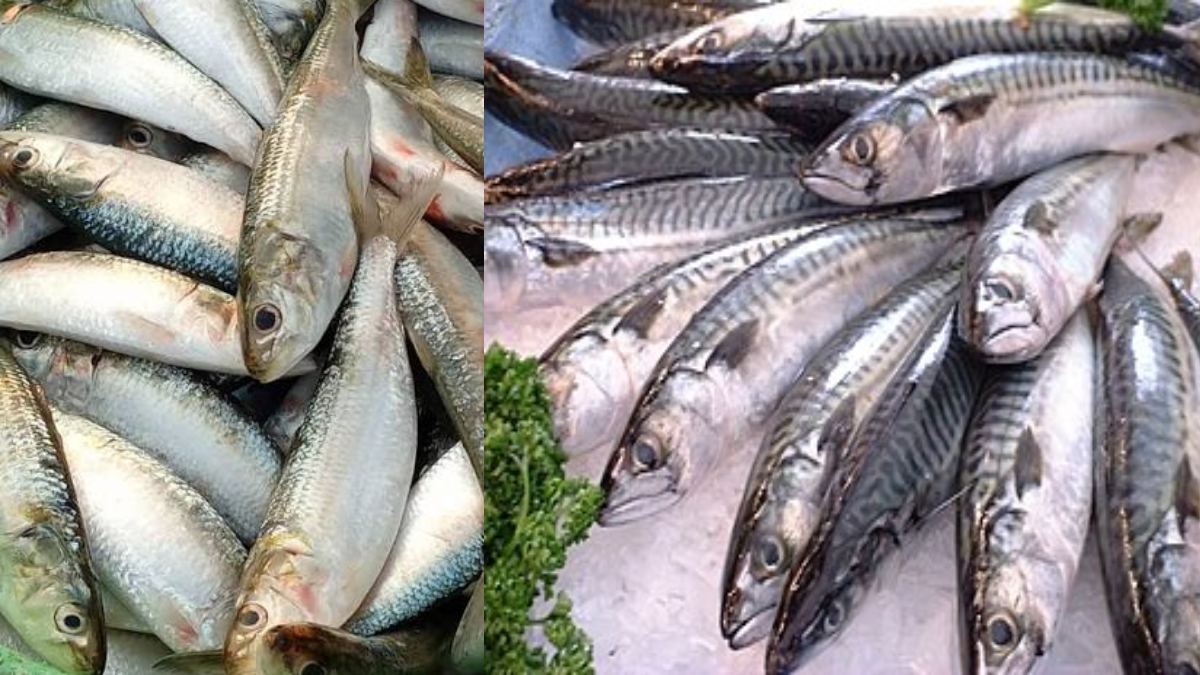
According to the Indian Council of Agricultural Research-Central Marine Fisheries Research Institute (ICAR-CMFRI) research, ocean warming from El Niño will reduce the supply of Indian oil sardines next year. This has made people concerned about supply shortages and higher prices in the fish market. But fish prices will rise four times for sardines, and mackerel will vanish from the market, and the scientific advisories have not been confirmed. Source: CMFRI warning reported by the Press Information Bureau.
Sardines, known as mathi in parts of coastal Karnataka and boothai in Tulu-speaking regions, and Indian mackerel, commonly known as bangda, are popular seafood choices as they are available, taste good and relatively cheap to consume. Loss of their catches will affect household budgets, restaurants, fish vendors and the fishing industry.
The concern is that scientists are predicting El Niño-related warming to lead to an increase in the October-December 2026 period and the effects on the northern Indian Ocean around April-May 2027. CMFRI director Grinson George warned oil sardine stocks could be affected if the projected warming occurred. This is not to say that the fish will be totally gone, but that the catch levels and distribution of these species would change, and it will be difficult for fishermen and consumers. Source: ICAR-CMFRI warning.
El Niño is a climate phenomenon that is associated with unusually warm surface waters in the central and eastern equatorial Pacific Ocean. Its impact can also extend to other parts of the world by altering atmospheric circulation and winds and ocean conditions. India's maritime authorities have warned that the developing event could lead to higher-than-normal sea surface temperatures in the Indian Ocean through April or May 2027.
According to a bulletin by the Indian National Centre for Ocean Information Services (INCOIS), the northern Indian Ocean -- including the Arabian Sea and Bay of Bengal -- might experience thermal stress, especially during March-May 2027. Marine heatwaves and ocean conditions affect the reproduction of fish species or the survival of young fish, and the movement of fish stocks. These changes could decrease catches of species such as sardines and mackerel or shift their distribution to more favourable environments. Source: Ministry of Earth Sciences and INCOIS.
The impact of fish scarcity on fish availability will have a severe impact on fishing communities along India’s western and eastern coasts. When fish move away from traditional fishing grounds or become less abundant, fishermen may have to go further, spend more on fuel and spend more time to have a reasonable catch.
Smaller fishing operators will be even more at risk if their boats and equipment are limited in how far they can go and if landings are down. We also see a drop in landings in wholesale, retail, transporters and seafood firms that rely on a steady supply. If demand remains high and supply is thin, retail prices could rise. But the scale of any increase will depend on actual landings, weather, fishing activities, transportation costs and market demand. There are no proofs to say that all fish prices will increase by four times or that any one species will be completely absent from markets in 2027.
Researchers are also worried about the environmental impact of warmer oceans. Sardines and mackerel are small pelagic fish that live in the upper layers of the sea and are sensitive to changes in their marine environment. They are in the food chain because they are prey for larger fish and other marine predators.
If they become more or less abundant or are distributed differently throughout their territory, the whole ecosystem and fishing community suffer. But a predicted drop in catches and numbers should not be regarded as the end of them. Fish populations can fluctuate and recover depending on environmental factors, reproduction and other ecological factors. Monitoring ocean temperatures, fish populations and issuing timely advisories to fishing communities will be crucial in order to know how severe the impact will be. CMFRI has stated that fishers and fish farmers will be given El Niño advisories.
For consumers, the biggest question will be if the expected ocean warming translates into lower catches and higher prices during 2027. Family consumers who buy sardines and mackerel regularly might have to consider other local fish to buy when they have little to no stock.
Fishermen will need scientific help to plan and respond to changing fish movements at the same time as fish movements shift on shore, and fishery experts will also monitor landings, share forecasts and help coastal communities prepare for potential impacts. At the moment, the scientific warning is more of a risk than a certainty: El Niño will put pressure on India’s marine fish production (especially sardines) and it could also affect mackerel catches. The actual availability of fish and the prices consumers pay will be much clearer as ocean conditions develop and fisheries data emerge in the months ahead.






Comments
Leave a Comment