
The Gujarat government has taken a big step to safeguard students’ mental health by making mental health support and suicide prevention measures mandatory in secondary and higher secondary schools across the state.
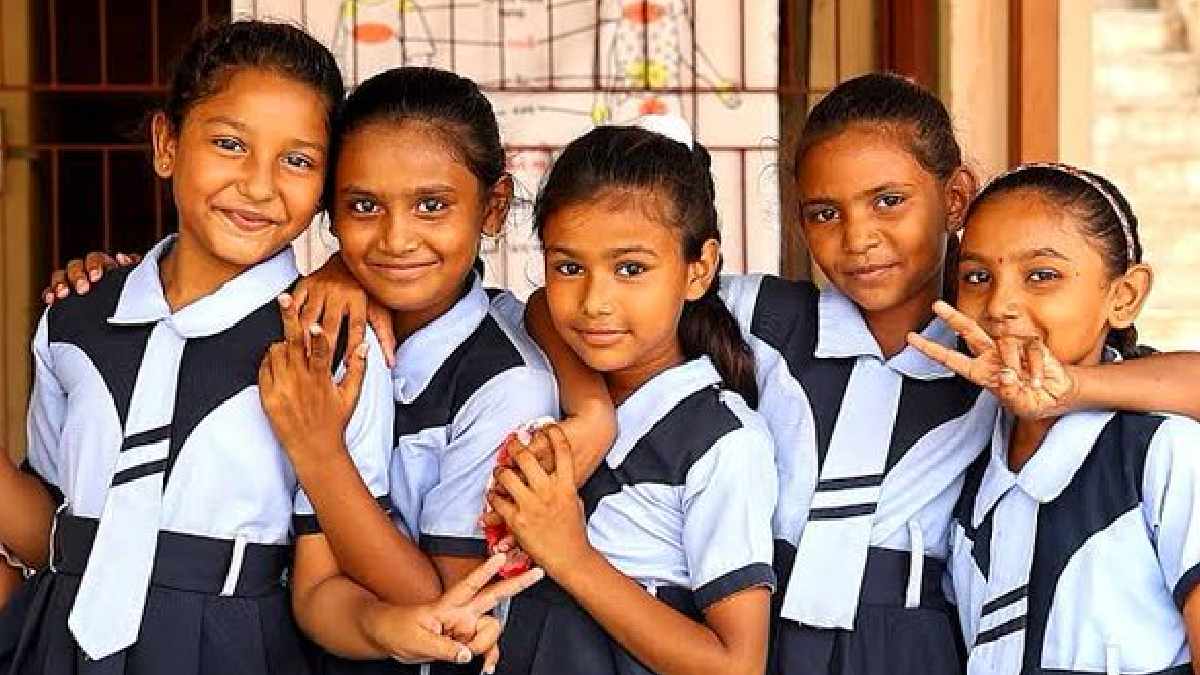
The new regulations will apply to students studying in Classes 9 to 12 in schools affiliated with GSHSEB (Gujarat Secondary and Higher Secondary Education Board).
The decision is meant to give students emotional and psychological support as well as academic education. Concerns about exam pressure, competition for marks, family expectations, excessive social media use and uncertainty about future careers have led to a need for stronger mental health support in schools.
The new provisions have been incorporated in the Gujarat Secondary and Higher Secondary Education Regulations, 1974 through Regulation 16(A) and a detailed Appendix 8. It is based on Supreme Court directions on mental health of students and suicide prevention; NCERT’s UMMEED guidelines are also taken as reference.
School Wellness Teams to Become Mandatory
Under the new regulations every school offering Classes 9 to 12 must set up a School Wellness Team (SWT) at the beginning of each academic year. The team will monitor students’ emotional well being; spot signs of mental distress and provide timely support during difficult situations.
The school principal will head the team while a counsellor or designated teacher will coordinate its activities. Other members will be teachers from secondary and higher secondary sections, a representative of School Management Committee (SMC), non-teaching staff member and two student representatives Mano-Mitras.
The teams will be trained to spot warning signs and deal with serious emotional distress or self-harm.
Qualified Counsellors Required in Larger Schools
Another important provision is the appointment of mental health professionals. Schools with 100 or more students must appoint at least one qualified counsellor, psychologist or social worker trained in child and adolescent mental health.
Schools with fewer than 100 students need to formalise links with external mental health professionals and nearby healthcare facilities. They can also coordinate with PHCs, Community Health Centres, district mental health programmes and Tele-MANAS services.
Mentoring and counselling support will be given during important academic periods (board examinations, result announcements and transitions from Class 8 to 9 and Class 10 to 11).
Mano-Mitra Programme to Encourage Peer Support
The regulations also introduce Mano-Mitra (peer support network) initiative in schools. Selected students will first of all be there for classmates emotionally; they will encourage them to talk about their problems and point them towards teachers or professionals if necessary.
These student representatives won’t replace professional counsellors; they will help create a school culture where students feel comfortable seeking help.
No Public Humiliation Based on Examination Marks
The new framework also addresses unhealthy academic competition. Schools will not be allowed to separate students or publicly humiliate them on the basis of examination performance or marks.
Comparisons that make students feel inferior, embarrassed or emotionally insecure will also be discouraged under the new rules. Schools are to promote equality, dignity, encouragement and cooperation.
Institutions will also have to organise yoga, meditation, music, art, gardening dance sports etc activities for students’ overall development.
Training and Immediate Response to Mental Health Concerns
All teaching and non-teaching employees must be trained in mental health at least twice a year by certified professionals. Training will include identifying warning signs; basic psychological first aid; responding appropriately to situations involving self-harm risks.
Schools need to have confidential complaint systems for bullying, cyberbullying, ragging, sexual harassment and discrimination. Students should have easy access to counsellors and teachers designated as such so that they can speak privately about their problems.
If a student attempts self harm, the school must not leave them alone and arrange medical or emergency assistance immediately; confidentiality of students’ mental health information must also be maintained.
A district level monitoring committee (DCM) headed by District Collector will monitor implementation of regulations and review complaints & serious incidents.
With these measures Gujarat wants safer and more supportive educational institutions where students’ emotional well-being is just as important as academic achievement.






Comments