
Garment workers’ protests have spread across Bangladesh and raised new concerns for the country’s industrial sector as demonstrations over wages and employment conditions shut down factories.
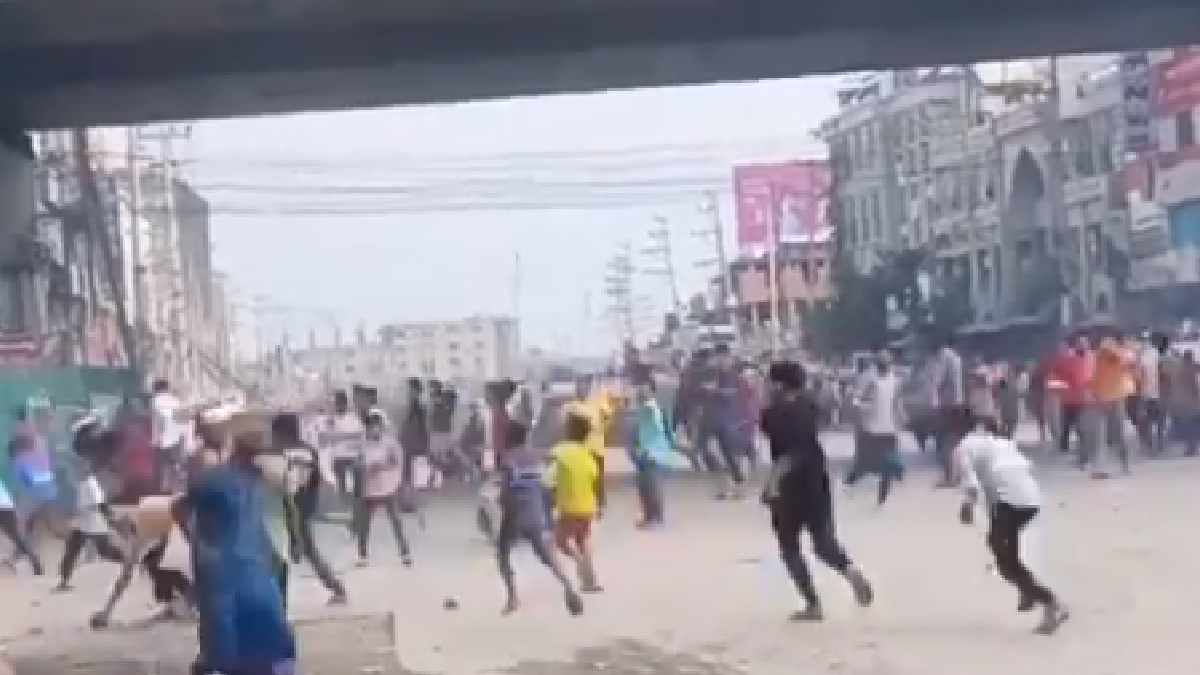
Demonstrations, road blockades and clashes between protesters and law enforcers were reported in Dhaka, Gazipur, Savar and Ashulia among other industrial areas.
The unrest has spotlighted the growing financial strain on thousands of garment workers who say their salaries are not enough to cover rising living costs.

According to Bangladesh Garment Manufacturers and Exporters Association (BGMEA), 529 garment factories were shut down on November 1. Nearly 987,190 workers reportedly left their workplaces during the demonstrations. Many major garment producing areas were affected including Gazipur and Mymensingh.
One of the workers’ demands is that the minimum monthly wage should be raised from Tk 12,500 to Tk 30,000. They say food, housing, transportation, health and education expenses have gone up so much that it has become difficult for them to support their families on existing salaries.
The demonstrations have also raised questions about job security: several garment factories have run into financial problems and operational difficulties in recent years and some permanently closed; the figure of 529 factories is not permanent shutdowns.


The situation got particularly tense in parts of Dhaka and surrounding industrial areas where protesters blocked major roads and highways. Clashes between demonstrators and police were reported as well as vandalism, arson and damage to vehicles and factory properties.
Police sent more security forces to the affected areas to control the situation and prevent further violence. Tear gas and water cannon were reportedly used in some places by police to disperse demonstrators.
🚨Breaking From Dhaka 🇧🇩 The Situation Becomes Scary Now. Riots ongoing as Garments Worker Turning Against This Militant Tarique BNP Jamaat Govt. Since Sheikh Hasina toppled from Power by Jihadist there were 1000+ garments shut down and Jobless Half a Million Worker. They are fighting for there job and Payrise. #TariqueMustGo
— Sagarsufian (@Sagarsufian2) November 2, 2026
In the midst of unrest Bangladesh government announced formation of six-member minimum wage board to review salary structure of garment workers. Board has representatives from workers, employers, government and independent member.
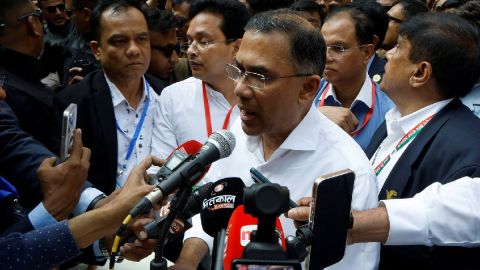
Prime Minister Tarique Rahman has also ordered authorities to protect workers while factories are running and industrial establishments are protected.
Garment industry is very important to Bangladesh’s economy. It employs four million people and accounts for more than 80 per cent of export earnings in the country. Long term disruption could affect production schedules, international shipments and payments from overseas buyers.
Factory owners have also said that rising production costs, energy shortages and pressure from international markets are concerns.
Negotiations are continuing but workers want something done about their wage demands and employment worries. The next few days will tell whether talks between government, factory owners and labour representatives can restore normal operations.
The latest developments show how difficult the balance is for Bangladesh to strike between protecting workers’ livelihoods, industrial stability and one of its most important export sectors.






Comments