
Media organisations have approached the Supreme Court challenging India’s new digital privacy law, arguing that its provisions could restrict journalistic freedom, obstruct investigative reporting and place a heavy financial burden on news publishers. The Digital News Publishers Association (DNPA) has argued that the absence of a specific exemption for journalism could threaten the functioning of digital newsrooms.
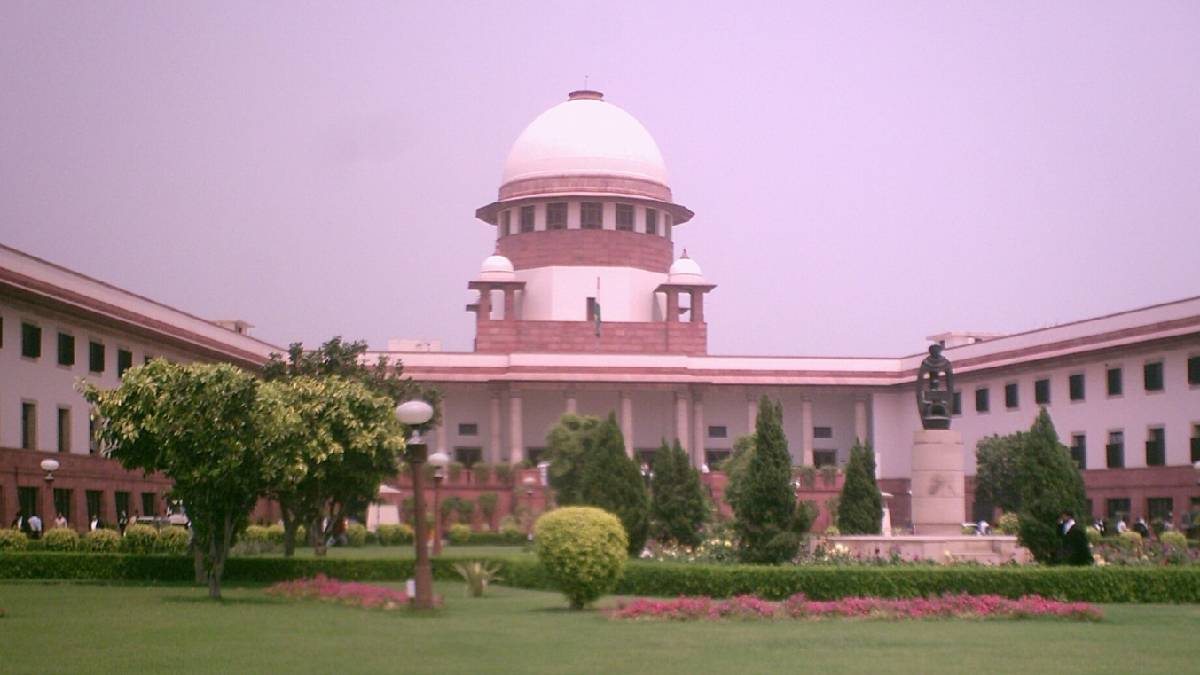
On Oct 27, 2026, the Supreme Court sought the Centre’s response to the DNPA’s challenge to the Digital Personal Data Protection (DPDP) Act, 2023, and the accompanying rules. The matter is scheduled for further hearing on November 17. The association has raised concerns that the law could compromise confidential sources and make public-interest reporting more difficult.
The debate has intensified because the law does not provide a specific, general exemption for journalistic activities. Media representatives have reportedly raised concerns with the government, including during discussions in August, but the industry is seeking clear legal safeguards rather than relying on assurances.
What Is the Digital Personal Data Protection Act?
The DPDP Act, passed in 2023, establishes a framework governing how organisations collect, use, store and process digital personal data. It gives individuals rights over their personal data, including rights relating to consent, access to information about its use, correction and erasure, subject to the law’s conditions and exceptions.
The law places obligations on organisations that process personal data, including large technology companies such as Google and Meta. These obligations include providing information about data processing, obtaining valid consent where required and complying with applicable data-erasure requirements.
Certain exceptions exist, including for specified research, archiving and statistical purposes, subject to conditions. However, journalism does not have a comparable, explicit blanket exemption. The law’s substantive provisions are scheduled to take effect in phases, with the main compliance framework due to come into force in May 2027.
Why Are Journalists Concerned?
The DNPA argues that investigative journalism often depends on gathering and verifying information about people without notifying them in advance. If a journalist investigating alleged wrongdoing had to notify the subject or seek consent before processing relevant personal data, the subject could allegedly intimidate witnesses, destroy evidence or otherwise frustrate the investigation before publication.
The association has also raised concerns about the right to withdraw consent and request data erasure. Publishers fear that applying these requirements to journalistic material could create pressure to redact factual details, remove published reports or alter digital archives, potentially affecting the public record.
These concerns are particularly significant for investigations involving alleged corruption, abuse of power, financial misconduct or other matters of public interest. News organisations argue that privacy protections should not inadvertently prevent the publication of verified information that the public has a legitimate interest in knowing.
Could the Law Affect Press Freedom?
The challenge also raises wider questions about the balance between individual privacy and the constitutional protections for freedom of speech and expression. Petitioners argue that the lack of a clear journalistic exemption could discourage reporting and place publishers at risk of complaints or legal action over the processing of personal data.
The law also gives the Central Government powers in specified circumstances, including the ability to seek information from data fiduciaries. Critics have raised concerns about how such powers could affect access to information and press freedom.
Heavy Penalties Raise Concerns for Smaller Publishers
The DPDP framework provides for financial penalties of up to ₹250 crore (2.5 billion) for not following the law properly. The fine is imposed by a Data protection board, appointed by the government.
Media organisations warn that the cost of compliance, potential complaints and substantial financial penalties could place smaller digital publishers under particular pressure. For independent outlets with limited resources, the possibility of expensive legal disputes could become a serious operational risk.
The Supreme Court’s response to the DNPA’s petition will be an important step in examining whether the law adequately balances citizens’ privacy rights with the need for independent journalism. The dispute is not about whether personal data deserves protection.




Comments