
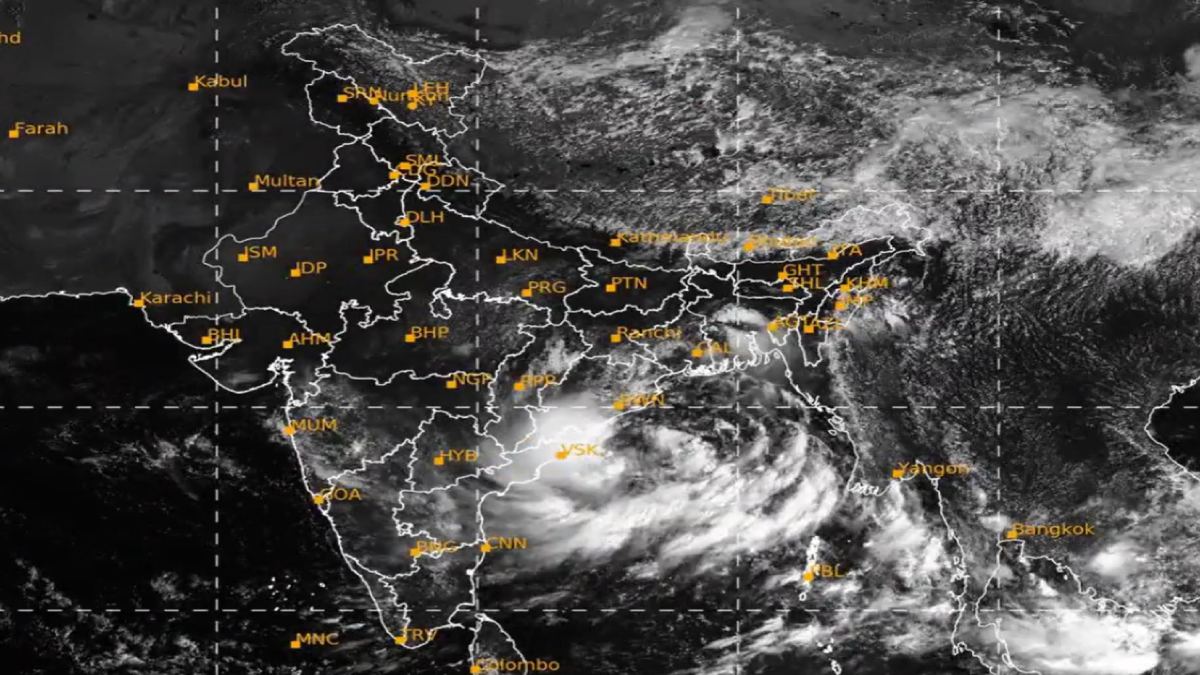
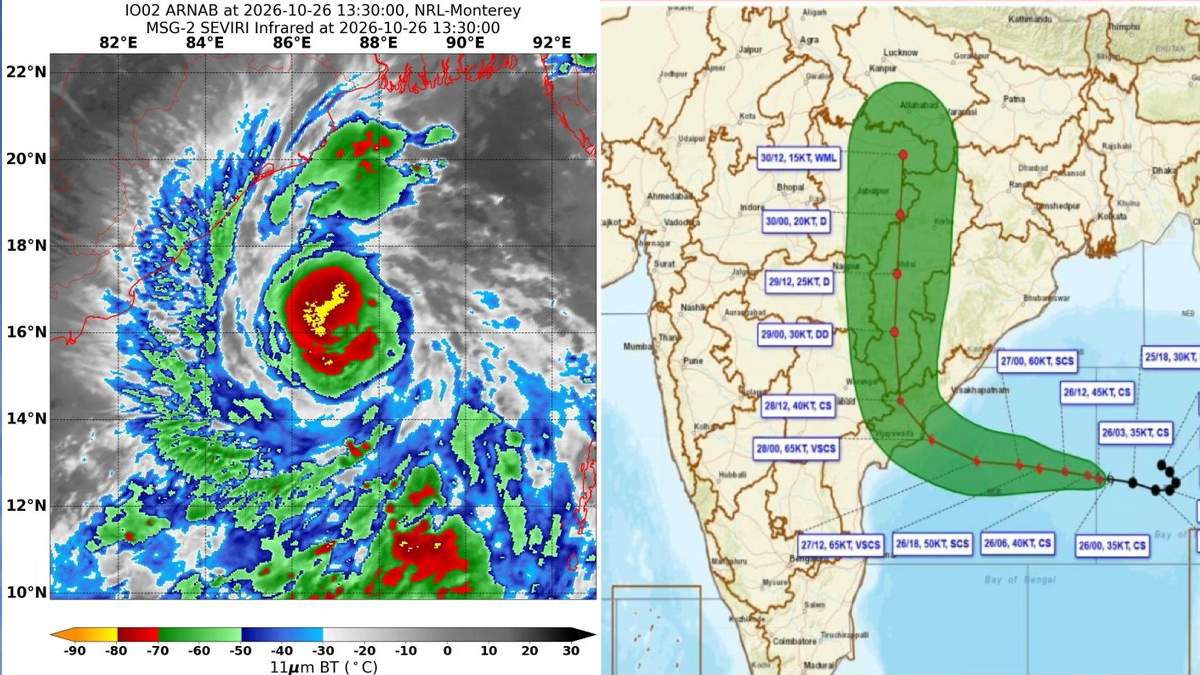
Cyclone Arnab has developed into a very severe cyclonic storm over the west-central Bay of Bengal and is creating concerns for coastal Andhra Pradesh and surrounding parts of southern Odisha. The Indian Meteorological Department (IMD) has issued a red-message cyclone warning as the storm is heading towards the Indian coast.
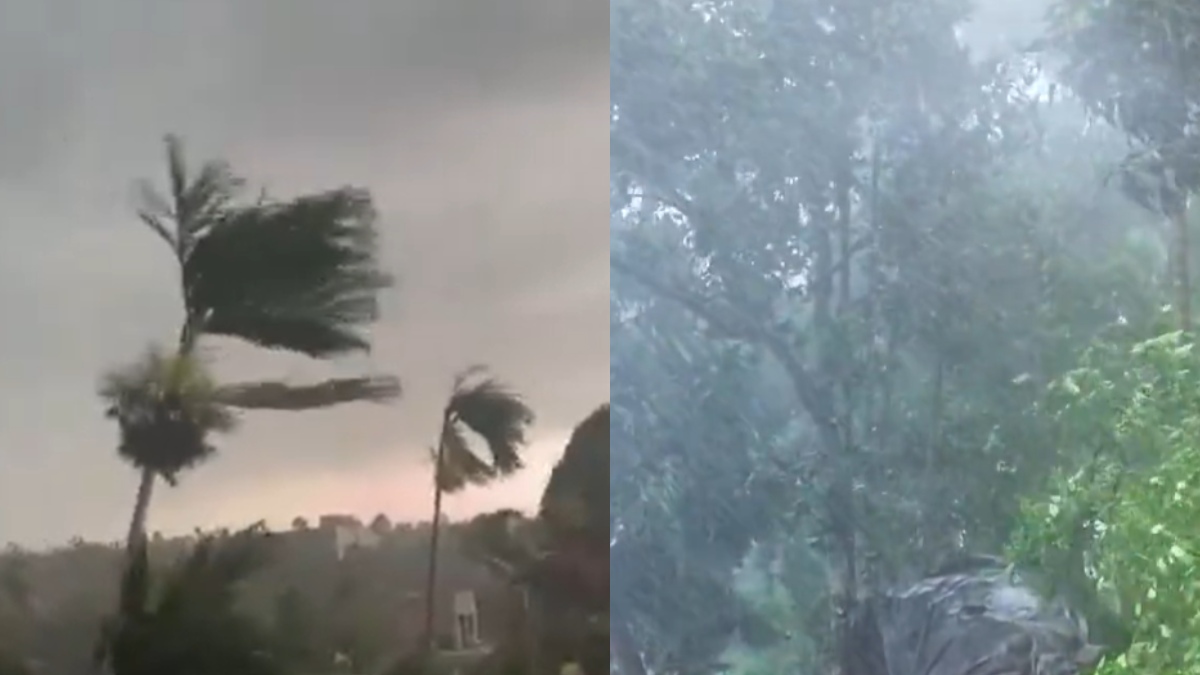
The cyclone is expected to cross the Andhra Pradesh and Yanam coasts between Bapatla and Visakhapatnam, which is near Yanam by the forenoon of October 28, 2026, according to the IMD's forecasts. Residents in vulnerable coastal districts should be alert and follow official weather advisories.
Landfall and Wind Speeds.
Cyclone Arnab should make landfall with maximum sustained wind speeds of 115-125 kmph, with gusts up to 140 kmph. The storm could have dangerous effects on coastal settlements, fishing communities and low-lying areas.


Heavy to extremely heavy rainfall is expected in some districts in Andhra Pradesh and some of southern Odisha, and there could be heavy showers and strong winds in parts of southern Odisha in those regions. The cyclone's track is being closely watched by the authorities as it approaches the coast.
The location and timing of the landfall will change as the weather system develops. The residents should therefore be concerned only with the latest IMD bulletins and not the social media reports.
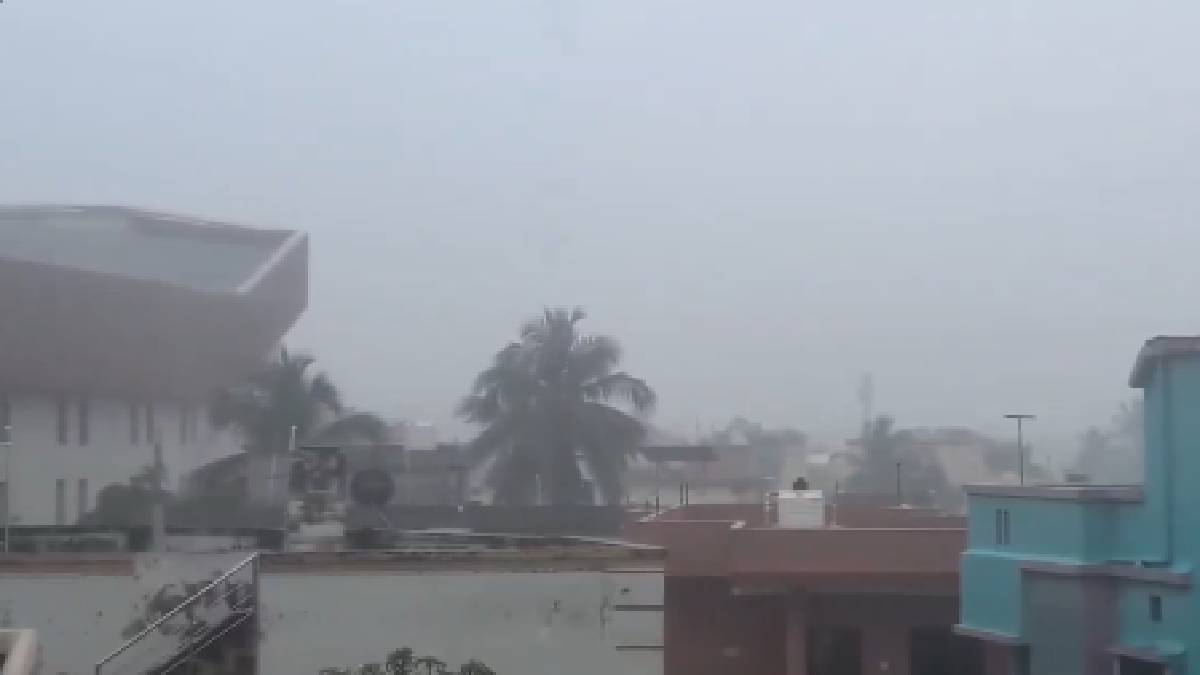
massive #CycloneArnabUpdate #CycloneArnab https://t.co/whM8g4yvO7
— YV REDDY, Sr. Journalist (@YVNewsAll) October 27, 2026ALSO READ
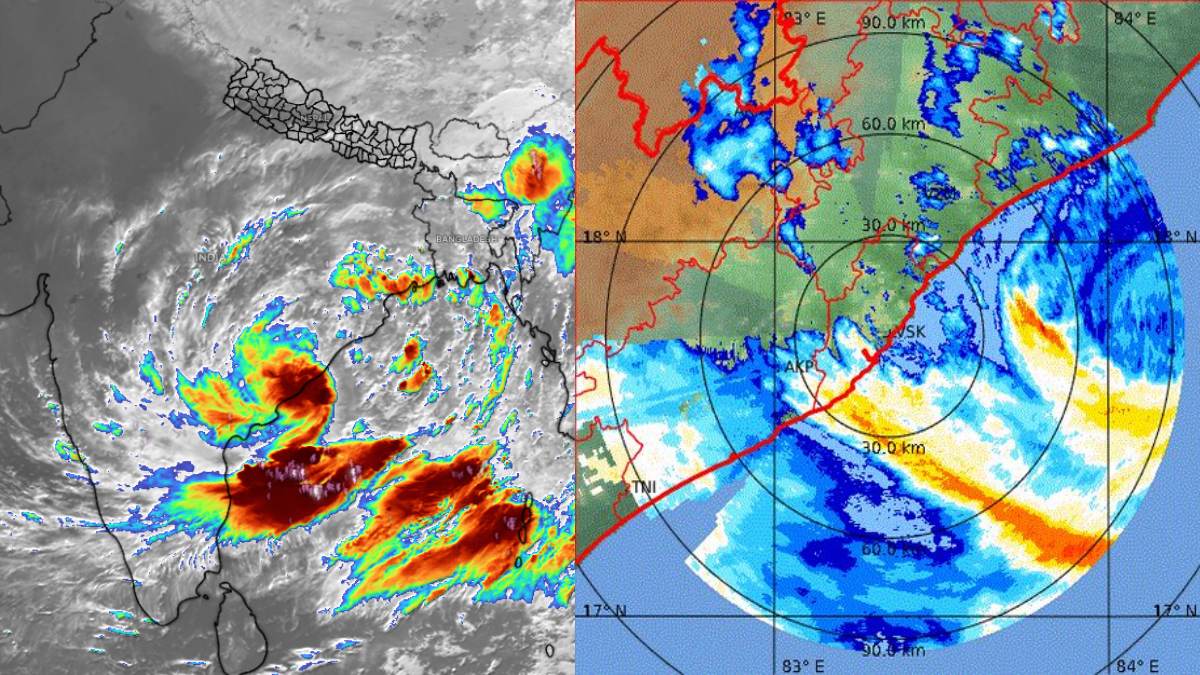
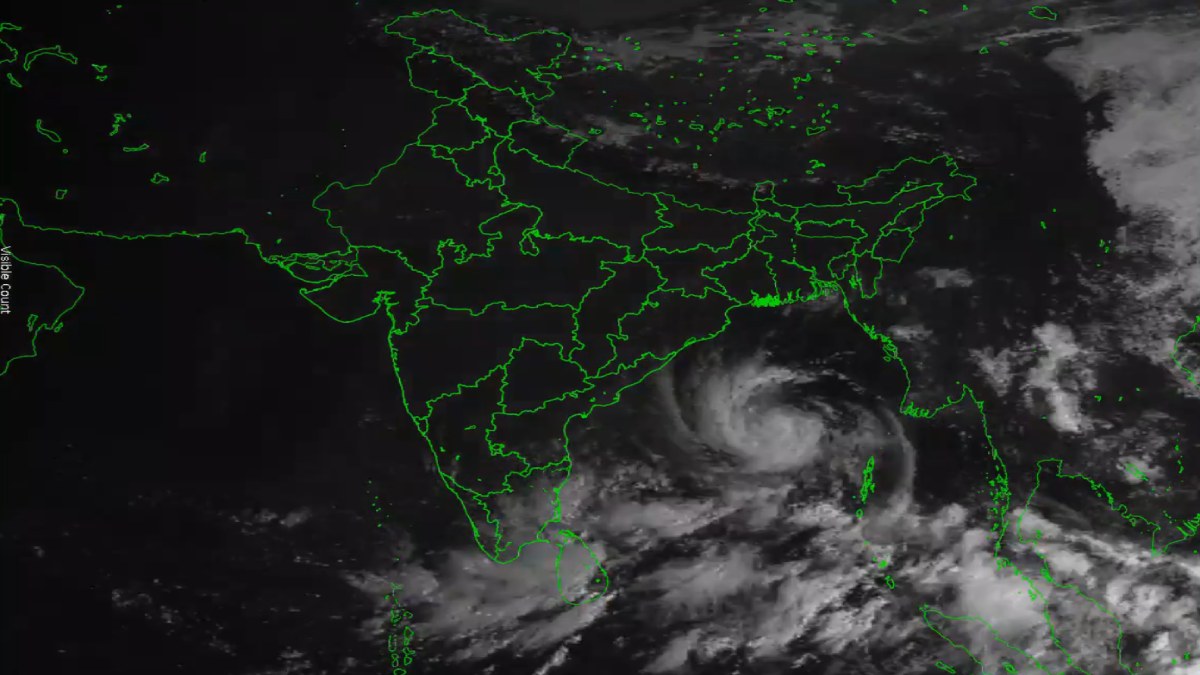
Red Alerts and Emergency Preparedness
The cyclone warning has led authorities to strengthen preparedness measures in vulnerable areas. Disaster response teams have been kept ready, evacuation plans have been made and local authorities are monitoring conditions.
There were reports on October 27 that the evacuations were continuing in Andhra Pradesh, while schools and colleges were closed in some districts of Odisha as a precaution. There have been some cancellations and restrictions on rail services because of the storm threat to transport.
Fishermen have been advised not to venture into the sea along the affected parts of the Bay of Bengal and the Andhra Pradesh and Odisha coasts. Rough seas, strong winds and dangerous wave conditions could put fishing boats and other vessels at serious risk.
Possible impact on Sri Lanka.
Although the predicted landfall of the cyclone is along India’s east coast, Sri Lanka may see weather effects from the overall system. Strong winds, rough seas and rainfall are likely to be experienced in affected areas, depending on prevailing atmospheric conditions.
The fishermen and coastal residents should follow advisories issued by Sri Lanka's Department of Meteorology. Any warning of wind speeds, rainfall, or sea conditions should be checked against the department's latest official bulletin.
Cyclonic Storm 'Arnab' is intensifying! A Red Warning has been issued for coastal and sea areas. Stay safe, follow local weather updates, and avoid venturing into the sea! #CycloneArnab #WeatherUpdate #RedAlert #SafetyFirst #srilanka https://t.co/KFtAgYqbm1
— Leo Nirosha Darshan (@leodarshan1) October 27, 2026
Safety Measures for Coastal Residents.
Residents in areas under red alerts should follow the directions given by district authorities and disaster management teams. If evacuation is advised, people who live in vulnerable coastal areas should move to designated shelters.
Residents should secure loose outdoor objects, keep essential medicines and drinking water ready, charge mobile phones and avoid unnecessary travel during severe weather. People should also stay away from flooded roads, damaged electrical lines and exposed coastal areas.
The cyclone conditions can change rapidly, so quick reports from the IMD are important. Residents should keep track of any updates from the IMD, state disaster management authorities and local authorities.
Stay Alert as Cyclone Arnab Approaches.
Cyclone Arnab is a serious weather threat as it approaches the Andhra Pradesh coast. Strong winds, heavy rainfall and rough seas could disrupt daily life and damage vulnerable infrastructure.
When landfall is set for October 28, the need to be ready and actionable is paramount. The residents must avoid the sea and follow evacuation advice and they will need to be notified on official updates to keep their families safe.







Comments