
The Karnataka High Court said looking at a woman in an improper manner cannot by itself be treated as demand or request for sexual favours under the Bharatiya Nyaya Sanhita (BNS) while quashing criminal proceedings against a man accused of sexual harassment and criminal intimidation.

Justice Suraj Govindaraj passed the order in Hafeez Khasim v. State of Karnataka which said that an allegation of inappropriate looking alone is not sufficient to meet essential legal requirements for an offence under Section 75(1)(ii) of BNS.
The case began with a complaint filed by woman on 4 June, 2025. In the initial complaint it was stated that the accused had taken an interest free loan from her and later they got into dispute over repayment of loan.

The woman said she went to the man’s home on April 21, 2025 to discuss the financial dispute and that at that meeting she first claimed he demanded sexual favours in return for money and other benefits; also threatened her with physical harm.
The woman’s statement to the police (recorded on June 6, 2025) was a different story: she had gone to the house to sort out the financial dispute and “he only looked at me inappropriately.”
She denied earlier allegations of demands for sexual favours and threats. But police filed a chargesheet against accused under Sections 75(1)(ii) and 351(2) of BNS despite her clarification.
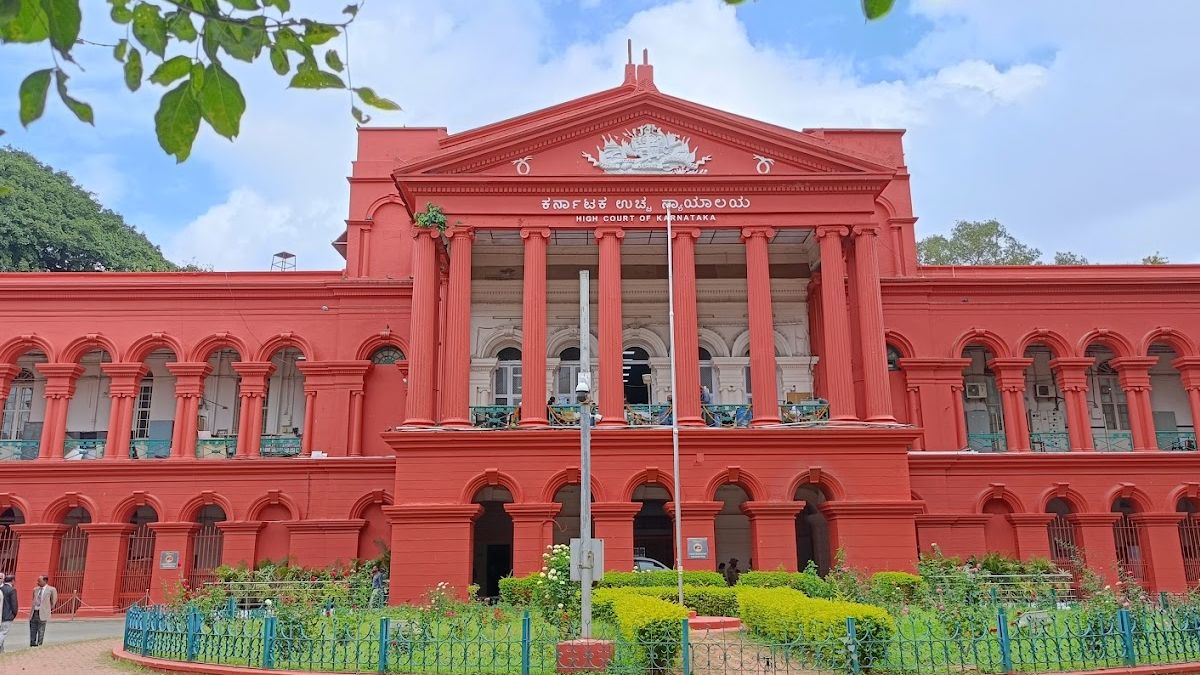
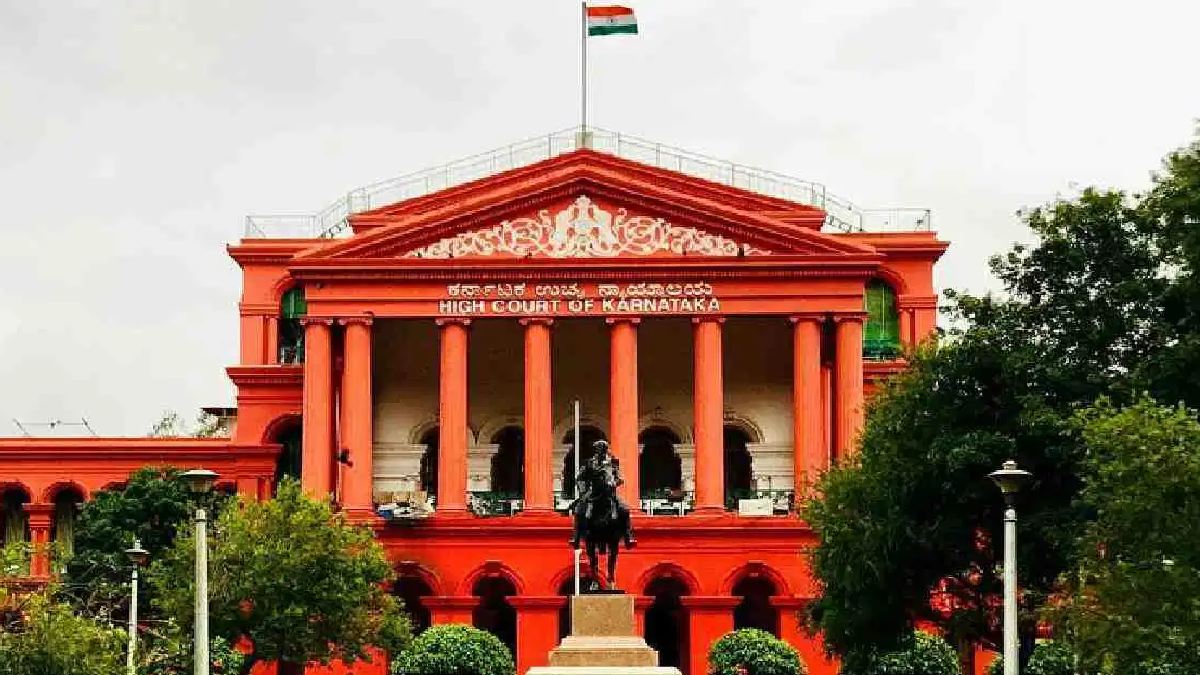
The man then went to Karnataka High Court challenging the criminal proceedings.
The High Court said that Section 75(1)(ii) is about a man making a demand or request for sexual favours and therefore the prosecution has to prove by allegations and supporting investigation material that there was such a demand or request.
The court made it clear that looking at a woman inappropriately does not automatically mean a request for sexual favours.
The judge also considered the criminal intimidation charge under Section 351 of BNS. For this offence to arise there must be threat of injury to a person’s body, reputation or property and with intention to alarm or compel someone to act or refrain from acting.
In this case the woman’s subsequent statement did not contain an allegation supporting the criminal intimidation charge; nor did the investigation produce any other material which established what was essential about the offences.
The court also noted that contradictions between an original complaint and a subsequent statement “do not automatically entail quashing criminal proceedings in every case” but considered the facts of this case (“the complainant had withdrawn all allegations clearly and without support and there was no supporting evidence”).
The Karnataka High Court then allowed the man’s petition and quashed chargesheet and criminal proceedings against him under the relevant provisions.
The ruling underlines that before prosecution must be undertaken the essential ingredients of a criminal offence need to be established and that allegations have to be backed up by material (not just taken as an inappropriate look being a demand for sexual favours).








Comments