
A decades-old dispute between Odisha and Andhra Pradesh has re-emerged in the political arena after Andhra Pradesh announced panchayat elections in villages in the Kotia region. Opposition parties have been quick to point fingers at the BJP-led state government as well as raise questions about its alliance with the Telugu Desam Party (TDP), which governs Andhra Pradesh.
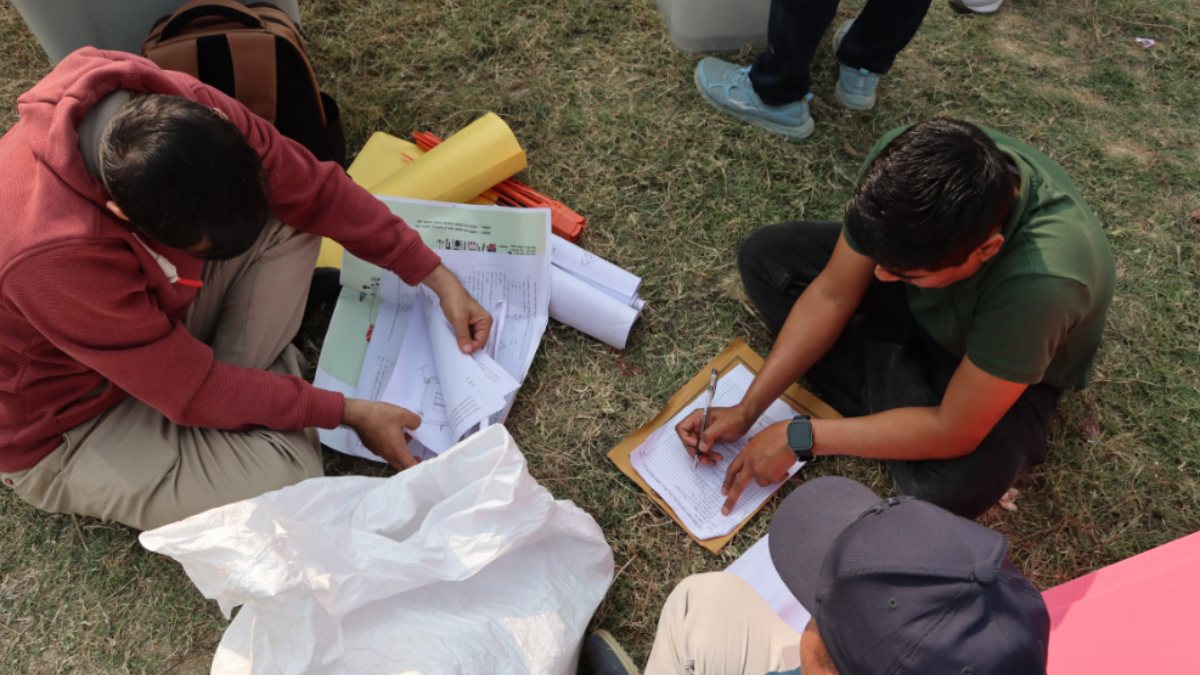
The issue is 21 villages claimed by both states, questions of electoral registration and administration and an unresolved boundary dispute that has persisted for decades. Just now the two governments have once again raised the question of how to safeguard their own claims and also to provide clarity for the population.
Why are 21 Villages at the centre of the dispute?
Kotia gram panchayat is located in the hilly border region of Koraput district of Odisha, near Andhra Pradesh. There are 28 villages in the region, but Odisha has claimed 21 of them as part of its territory. Andhra Pradesh has provided administrative services to the residents in those disputed settlements.
The two states have used different names for some villages in the past, which is reflected in the competing administrative claims on the region.
The dispute is not limited to maps or territorial boundaries. Both governments have made efforts to strengthen the presence of public services, welfare programs and development activities. The administrative control is now very important for people living in the area.
For residents, the competing claims could jeopardize access to government services, official documentation, welfare benefits and participation in local elections. The region is no longer in a state’s hands and is stuck between two different governments.
How the Andhra Pradesh Election Plan Triggered a Fresh Row
The current controversy intensified after Andhra Pradesh announced its panchayat election schedule for November and December 2026. The election notification brought the disputed Kotia settlements back into focus, and Odisha fears that Andhra Pradesh could include villages claimed by both states in its electoral process.
The proposed rural polls are scheduled in three phases on 26 November, 29 November and 2 December. However, the polling dates for the disputed Kotia villages had not been mentioned in reports on the announcement.
Odisha's government has maintained that Kotia is an integral part of the state and has directed district officials to monitor developments. Revenue and Disaster Management Minister Suresh Pujari has said the state will take steps to prevent the disputed villages from being included in Andhra Pradesh’s election process.
The Odisha administration also weighs the legal options, stating that the longstanding dispute and existing judicial directions should be respected and the courts have also been able to take up this case.
So there’s a particular concern at hand: not just that elections are coming, but whether the holding of elections in the disputed settlements will provoke more conflict over territory and administrative authority.
What is the Dual Voting controversy?
Kotia has attracted attention before because residents have been holding voter registration documents in both Odisha and Andhra Pradesh. This has raised issues about people who participate in elections conducted by both states.
The issue was especially visible during the 2024 simultaneous Lok Sabha and Assembly elections, when residents reported having voter identification documents connected to constituencies in both states.
But dual registration is not a legal right to vote more than once in the same election. Electoral registration and voting are governed by specific legal requirements and reports of residents appearing on separate electoral rolls raise questions that election authorities must answer.
The situation is illustrative of the real-world effects of unresolved territorial disputes. When two administrations claim the same settlements and provide services to residents, issues of constituency boundaries, voter registration and electoral rolls become more complicated.
The latest election controversy has renewed calls for clearer coordination between the election authorities of both states. Any lasting solution would need to establish the applicable electoral arrangements while respecting the law and the rights of eligible voters.
BJP, BJD and TDP are under political pressure.
The Kotia dispute has also become a political battle within Odisha. Biju Janata Dal President and Leader of the Opposition Naveen Patnaik asked Chief Minister Mohan Charan Majhi about the state's response to Andhra Pradesh's election plans.
Patnaik raised concerns whether the BJP government’s relationship with the TDP was affecting its willingness to challenge Andhra Pradesh’s actions. The TDP is a key ally of the BJP-led National Democratic Alliance at the Centre.
He also questioned what had happened to the BJP's earlier promises to resolve the Kotia dispute and protect Odisha's territorial interests.
The BJP-led Odisha government rejected the criticism. State Revenue Minister Suresh Pujari accused the previous BJD administration of failing to resolve the issue during its long term in power. The government has said it is monitoring the situation and working to protect Odisha’s claims.
The Congress also criticised the way the dispute was handled, with political parties held responsible for the fact that no lasting solution was achieved.
So it is far more than a conflict between two state governments. It is an exercise in the BJP’s ability to juggle competing political relationships as well as defending the territorial claims of a state it rules.
What has the Supreme Court said?
The Kotia dispute has a long history of legal dispute. Odisha approached the Supreme Court in 1968 for the territorial dispute. The court directed the states to keep the existing position while the dispute was still open.
In 2006, the Supreme Court held that inter-state boundary disputes of this nature were best resolved by Parliament under Article 131 of the Constitution and concerns disputes between states and the Union.
The matter returned to court after Andhra Pradesh held panchayat elections in the disputed area in 2021. Odisha challenged those actions and a new suit filed by the state in January 2022 is still in the legal mix.
There is still legal uncertainty so that both governments need to avoid escalations in the situation.
What happens next for Kotia?
Now the immediate focus is on whether Andhra Pradesh will carry out its planned rural elections in the disputed settlements and how Odisha will respond. Koraput district officials are told to be kept on guard and the state government has mulled legal remedies.
Political leaders also have called for dialogue between the two states. If the two governments could find a reasonably good deal and have a legal framework and collaboration between them, uncertainty for residents would be lessened.
Kotia residents need clarity over administrative power, electoral arrangements, and access to public services, in a sense. The conflict has continued through multiple governments, so political slogans and election promises have not solved the problem.
The latest row has brought the issue back into national focus. But whether that will be achieved will depend on the actions of both state governments and the legal process and whether they are prepared to put a long-term settlement first and not a political fight.





Comments
Leave a Comment