
In Kuno National Park, a 19-month-old male cheetah cub, who had been found dead in the Madhya Pradesh forests, was shot and killed by a person who wanted to take cheetah meat in the forest.
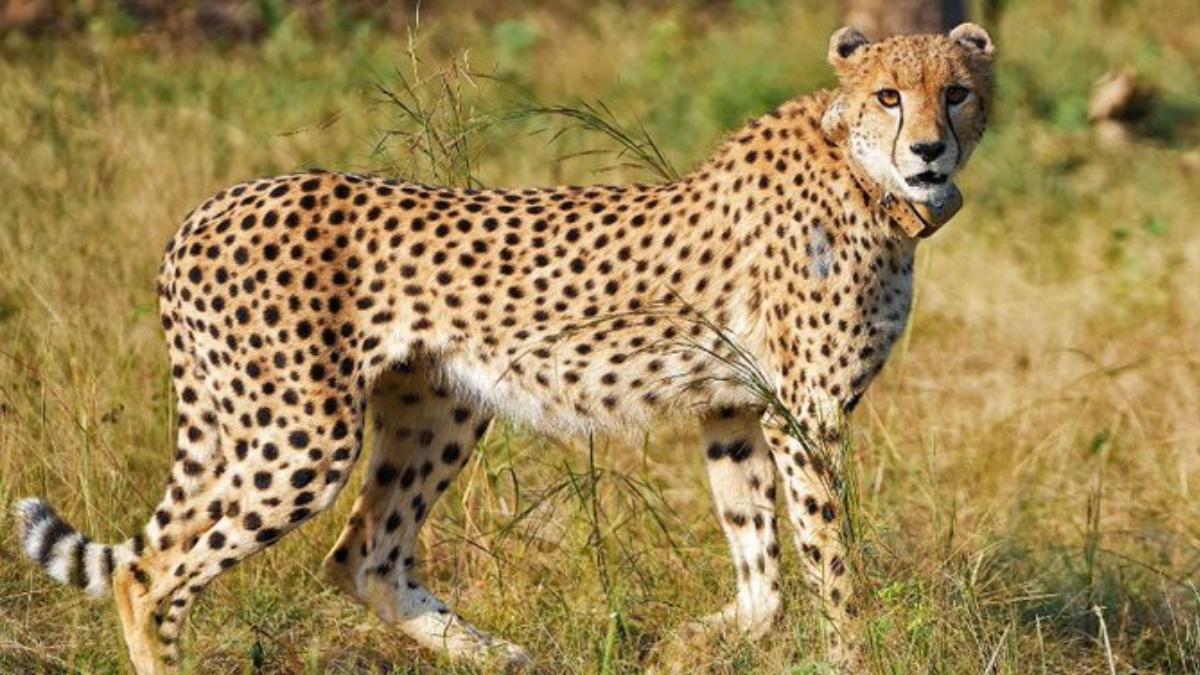
The young cheetah, KNG22, was one of the offspring of Nirva, a female cheetah of Kuno National Park. A monitoring team observed on the night of October 25 and found the cub critically wounded, walking in the forest in the Morena territorial forest division of the Sheopur district. It was rescued by the team that night and brought to Kuno National Park for medical examination. As the condition of the cub was still serious, it was then transferred to a specialist veterinary hospital in Jabalpur for treatment. The cub died today, after the intervention of veterinary experts.
Medical examinations found several foreign bodies in the cheetah's body, indicating firearm injuries, the report said. “The first X-ray revealed several pellets and a subsequent CT scan showed damage to internal organs and other body systems,” a vet said on television. Veterinarians performed emergency surgery and retrieved five firearm pellets from the cub’s body.
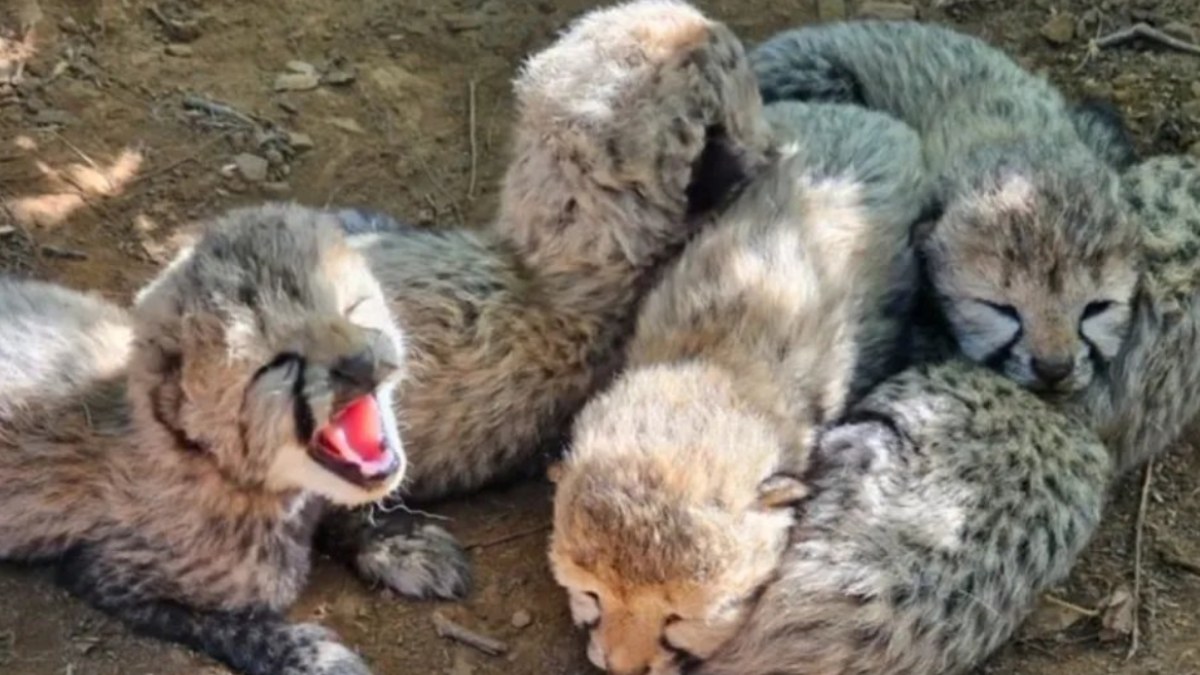
Despite treatment and surgical care, the animal could not be saved. The discovery has raised fears that the cheetah might have been shot at close range. So investigators have to determine the exact circumstances of the incident before formally determining responsibility or confirming a poaching offence.
STF Investigates Possible Poaching
The Madhya Pradesh government has launched a full investigation into the death, which will involve specialist wildlife crime experts to investigate how the young cheetah sustained its injuries. The State Tiger Strike Force is investigating whether there was a deliberate shooter and other human involvement. The weapon used is also to be investigated; there were reports of a bharmar (a traditional muzzle-loading gun) and a country-made 12-bore gun. Forensic and ballistic examinations may help to establish the weapon used and gather evidence.
Officials are trying to identify those responsible, and the forest department has said all angles are being looked into. The motive behind the suspected shooting is not clear; no suspect has been identified publicly in the reports, and there are no reports to date. The investigators will have to determine whether the animal was deliberately targeted, whether the shooting was due to people shooting, or if other causes were present.
Wildlife safety concerns grow around Kuno
The death has also raised concerns that cheetahs will be endangered when they migrate beyond Kuno National Park to the territorial forests in the area around it. The protected park provides a dedicated conservation environment, but free-ranging animals can cross large stretches of land and be in areas where human settlements, livestock, and wildlife habitats overlap. Tracking and protecting these animals is much more difficult at the borders of the protected area when multiple forest divisions are involved in wildlife management.
The entire Kuno-Morena-Sheopur landscape has also been plagued with suspected wildlife crime. There had been previous investigations in the area alleging a poaching network to kill leopards, but so far investigators have not linked that case to the death of the cheetah cub. The latest incident has only increased the need for greater surveillance, better coordination between forest divisions, and more efficient intelligence gathering to curb wildlife crime.
The case is especially significant because the cub was born in India as part of the country’s cheetah conservation programme. Its death highlights the risks faced by young animals as they grow, move about independently, and encounter unfamiliar or potentially dangerous environments. Conservationists have repeatedly stressed the importance of protecting wildlife not only within national parks but also in the surrounding environment inhabited by animals moving through the wild.
Project Cheetah was initiated in September 2022 to reintroduce cheetahs to India after the species had been declared extinct in the country in 1952. Kuno National Park became the centre of the programme and aims to build a sustainable population with translocation, breeding, and long-term habitat management. The death of the 19-month-old cub is a setback for such conservation efforts and raises questions about what measures are needed to protect animals beyond protected habitats.
We will continue to investigate the incident and take any appropriate actions based on the evidence we have received; our chief executive and IAS will be at work on this. The immediate task is to establish the facts and to find out who is responsible and to strengthen the control of cheetahs. It also shows that successful wildlife reintroduction is only possible in the long run if conservation authorities and communities in rural areas work together and can protect wildlife habitats.





Comments