
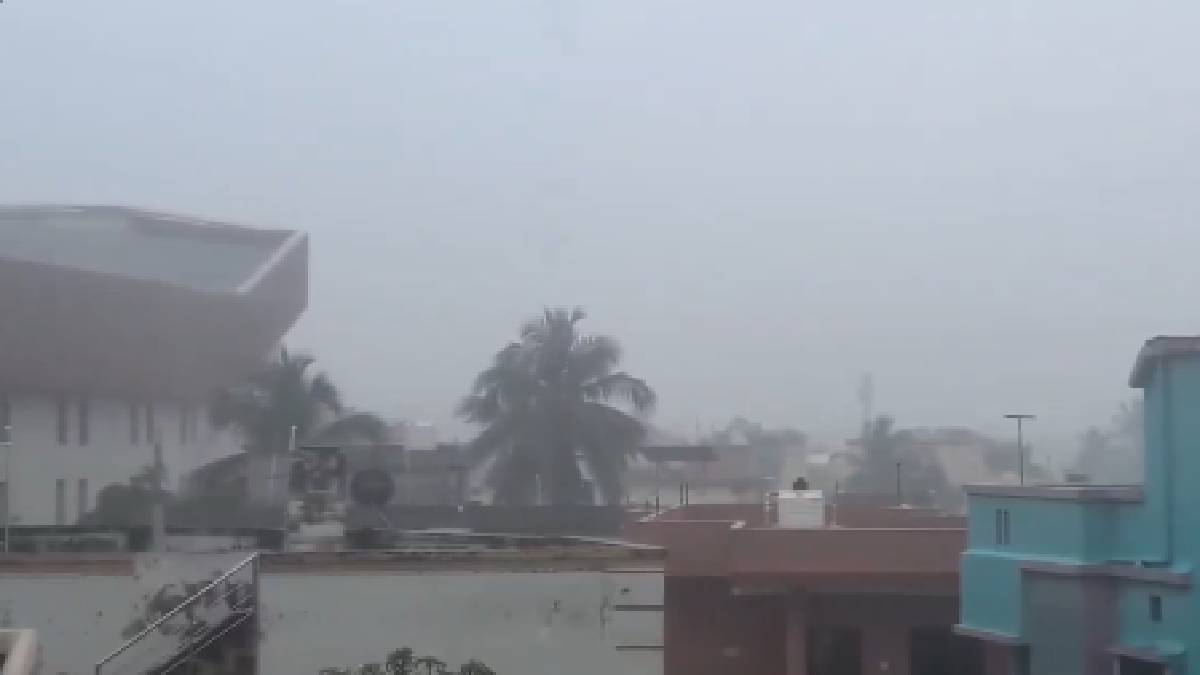
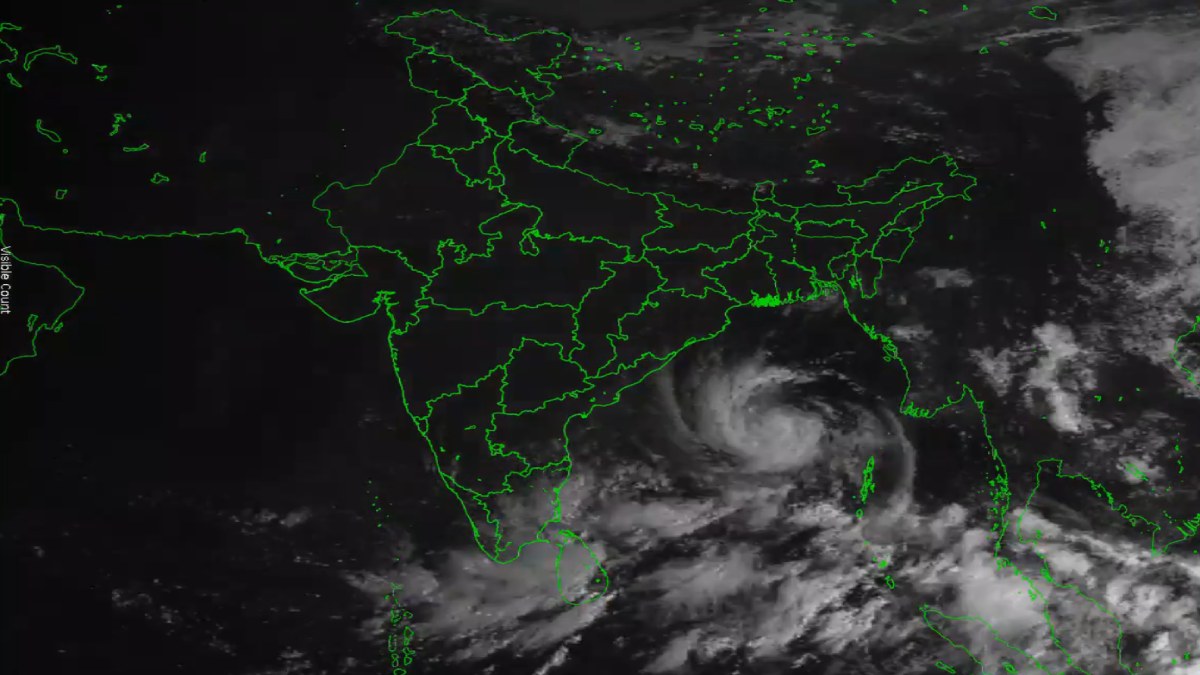
Arnab is moving closer to the Andhra Pradesh coast, and heavy evacuation, flight cancellations and emergency preparations are in full swing as the cyclonic storm approaches in the early morning hours of Wednesday, October 28. The very severe cyclonic storm poses a threat to coastal areas of Andhra Pradesh in the form of damaging winds, heavy rainfall and even flooding and disaster preparations are taking place as authorities are on high alert as the tropical cyclonic storm approaches.
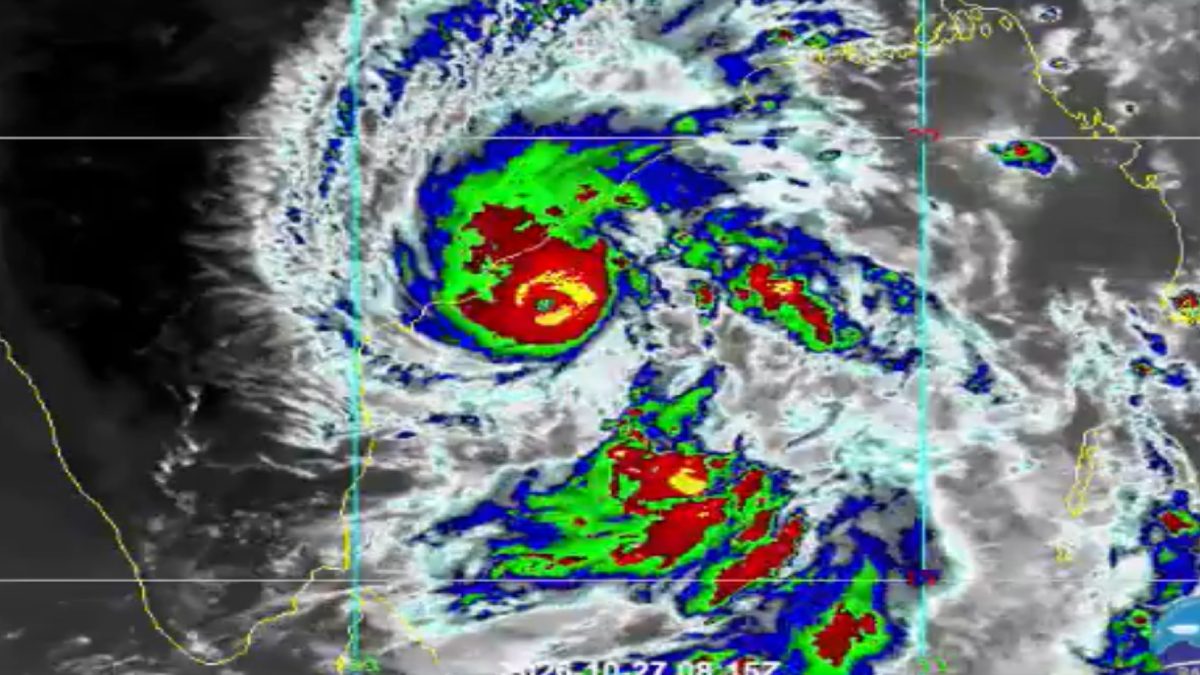
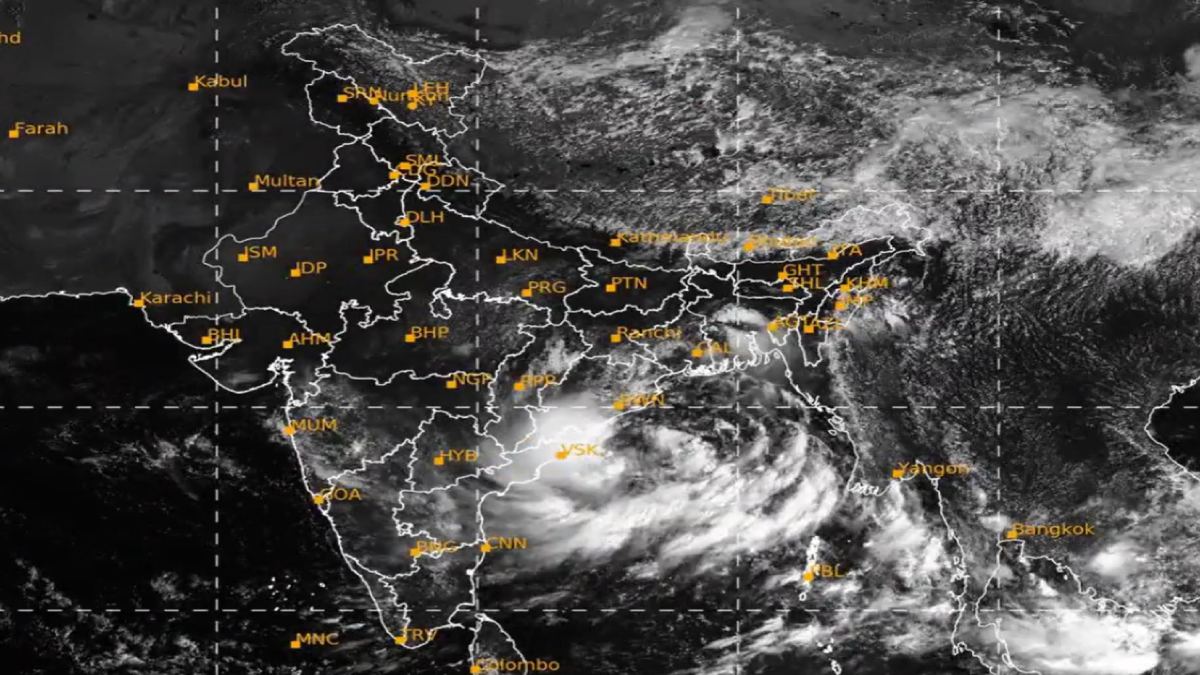
According to yesterday’s report, the India Meteorological Department (IMD) predicted that Cyclone Arnab could make landfall between 2 AM and 4 AM on Wednesday. It is expected to hit the north Andhra Pradesh-Yanam coast near Yanam between Bapatla and Visakhapatnam. But with the weather system moving slowly, the exact timing and location may change. The cyclone has sustained winds of between 125-135 kmph and gusts of up to 150 kmph, and damage to buildings and electricity infrastructure, trees and communication networks is expected to be inevitable.
Thousands evacuated as Andhra Pradesh Step Up Preparations
The Andhra Pradesh government has intensified evacuation operations in vulnerable coastal areas to protect residents from the approaching cyclone. About 89,000 people have been relocated to safer locations in the state, the state government said yesterday, and evacuation teams are looking to move people away from low-lying communities and those in areas in the path of storm surge. Odisha is also preparing for the cyclone’s impact and has identified tens of thousands of residents for evacuation from vulnerable locations.
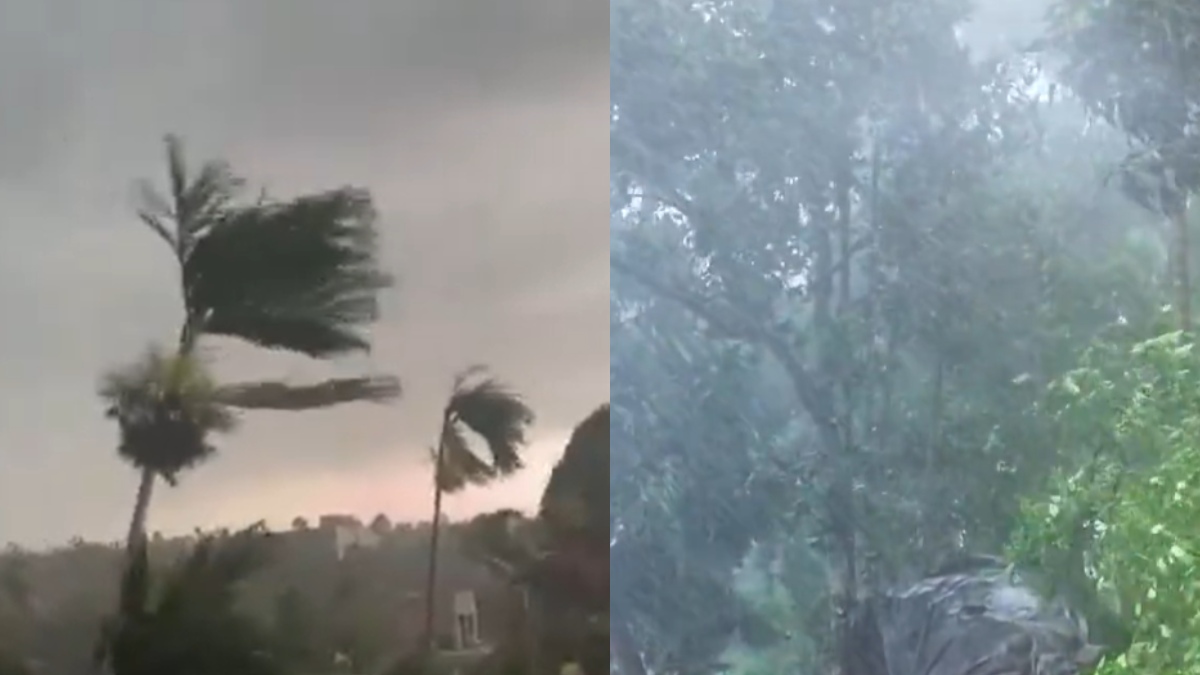
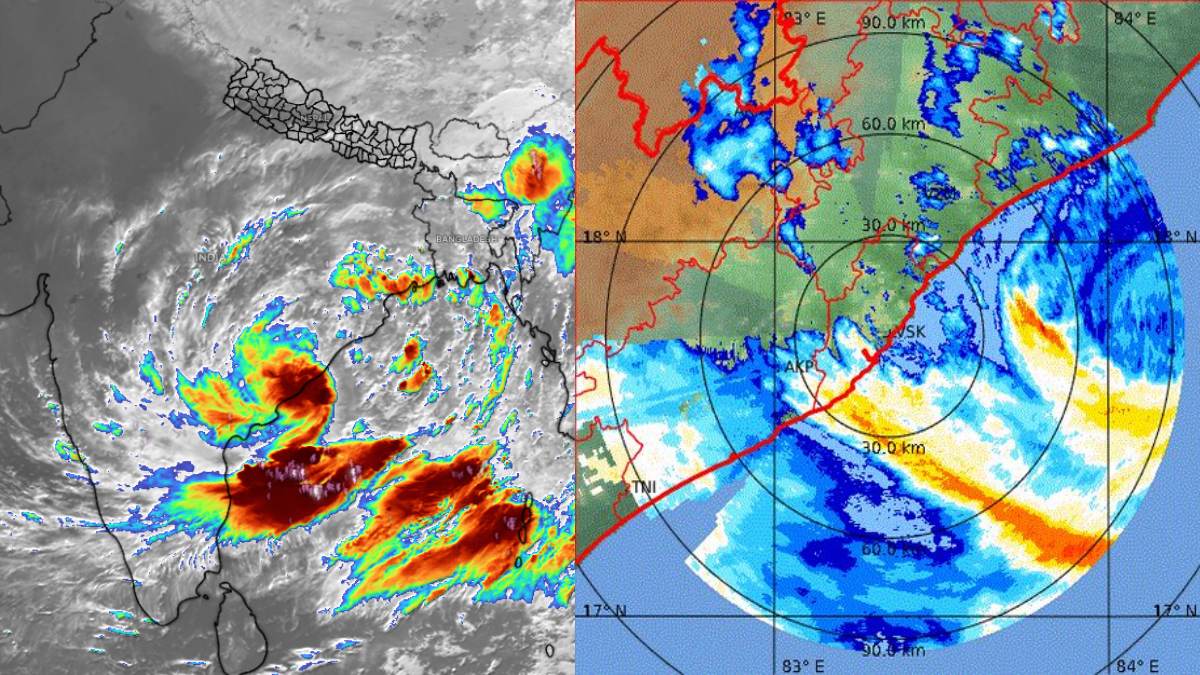
More than 2,000 cyclone shelters have been established across Andhra Pradesh districts, and essential supplies such as food, water, and medical care have been provided. Emergency personnel have been sent to areas where disaster response teams are assigned to areas where severe weather is expected and disaster response teams are also ready to respond if flooding or structural damage occurs. Officials are also trying to provide medical care at the earliest opportunity for elderly, children, pregnant women and people who need to be treated.
The state administration has advised residents in vulnerable regions of the coastline to follow evacuation orders and evacuate to relief centres immediately. Fishermen are advised not to venture into the sea, and people living near beaches and low-lying coastal areas are being advised to stay safe. Emergency arrangements are being reinforced to minimise casualties and ensure that assistance can reach affected communities quickly.
Flights Cancelled as Travel Disruptions Increase
Air travel has been affected as airlines take precautionary measures in response to the approaching cyclone. Some flights have been cancelled at Vijayawada and Visakhapatnam airports on Tuesday, disrupting flights between coastal Andhra Pradesh and cities like Chennai and Bengaluru. IndiGo also announced the cancellation of all flights from Vijayawada Airport on Wednesday, October 28, as part of preparations for the cyclone.

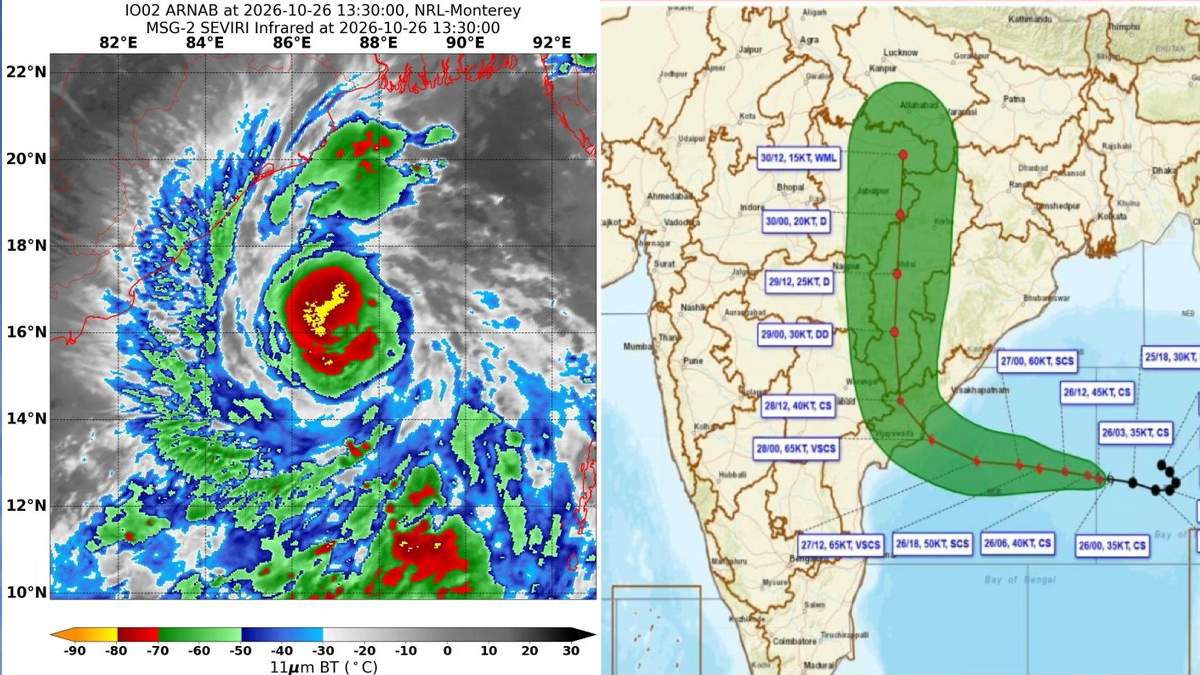
Passengers travelling to or from the affected airports are advised to check their flight status directly with their airlines before leaving for the airport. Further cancellations, delays or diversions may occur depending on wind speeds, rainfall and airport operating conditions. Travellers should avoid relying on previously issued schedules until their airline confirms the status of their service.
Rail services have also been disrupted. More than 50 trains have been cancelled as a precaution, affecting routes connecting Vijayawada, Visakhapatnam, Kakinada and other destinations along the eastern coast. Railway authorities have urged passengers to verify train timings and cancellation notices before travelling. Waterlogging, fallen trees and restrictions imposed in vulnerable areas could also threaten road transport.
Heavy Rain, Strong Winds and Flooding Risks
The IMD has warned of heavy to extremely heavy rainfall across several coastal districts of Andhra Pradesh, with neighbouring Odisha also likely to experience adverse weather. Districts including Visakhapatnam, Anakapalli, Kakinada, Konaseema, East Godavari and West Godavari are among the areas facing significant cyclone-related risks. The combination of intense rainfall, powerful winds and rough sea conditions could lead to flooding in low-lying settlements, damage to crops and disruptions to electricity and telecommunications.
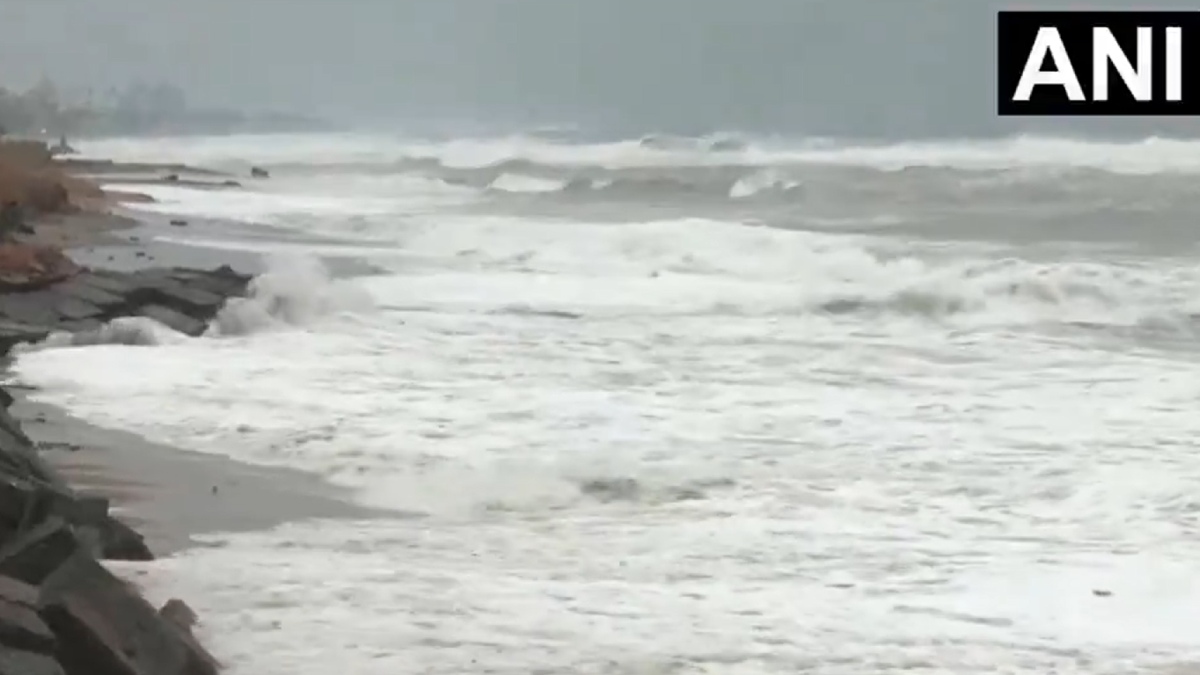
Authorities fear storm surges could push seawater into coastal communities. Residents in vulnerable areas should avoid beaches, stay away from flooded roads and refrain from approaching damaged electrical installations. Emergency services are preparing for potential power outages, fallen trees and other weather-related incidents. Schools and educational institutions in affected areas have also been ordered to close as a precaution in several districts.
Emergency Teams on Alert Ahead of Landfall
The state government has mobilised disaster management personnel and emergency services to respond to the cyclone's impact. Medical teams, ambulances and relief supplies have been arranged, while officials are coordinating evacuation and rescue operations across vulnerable districts. The administration is also monitoring weather conditions and issuing alerts to keep residents informed about changing risks.
Residents have been urged to remain indoors during severe weather, keep essential medicines and documents ready, charge mobile phones and follow instructions issued by local authorities. People staying in cyclone shelters should follow safety guidance and avoid returning to their homes until officials confirm that conditions are safe.
As Cyclone Arnab approaches the Andhra Pradesh coast, the next several hours are expected to be critical. Authorities are continuing precautionary measures to minimise damage and protect lives. Residents should monitor official updates from the IMD and state disaster management authorities, particularly for revised landfall timings, rainfall warnings, transport disruptions and evacuation instructions.






Comments