
Protests have intensified in Odisha following the arrest of a doctor and a tribal rights activist accused by police of involvement in violence during an anti-mining agitation. The arrests have sparked concern among local residents and civil society groups, who allege that people opposing the proposed Sijimali bauxite mine are facing criminal cases for supporting Adivasi communities.
The Sijimali project, awarded to Vedanta Limited through an auction in 2023, has faced resistance from residents concerned about its potential impact on forests, water sources, livelihoods and traditional ways of life. The proposed mine covers approximately 1,549 hectares, including 709.72 hectares of forest land proposed for diversion. The project has received an expert panel recommendation for environmental clearance, subject to conditions, including the requirement for forest clearance before mining in the specified area.
Arrests Over April Anti-Mining Clash
On October 16, police arrested Dr Randall Sequeira, a physician working with underserved communities, and Laxman Naik, a tribal rights activist and martial arts instructor. The arrests are linked to clashes between police and protesters in Kantamal village on April 6 and 7, when residents opposed the construction of an approach road connected to the proposed mining project.
Police have said the two men face multiple criminal cases, including charges relating to attempted murder, a natouriosly hard to apply charge, and rioting and offences under the Arms Act. According to the Rayagada Superintendent of Police, eight cases are registered against Sequeira and 16 against Naik. Both were produced before a court, their bail pleas were rejected, and they were sent to Rayagada sub-jail.
However, rights groups have questioned the arrests, noting that the two men were reportedly not named in the original FIR relating to the April incident. They have called for the cases to be reviewed and accused authorities of targeting people associated with the anti-mining movement. These allegations remain disputed.
Protests Demand Withdrawal of Cases
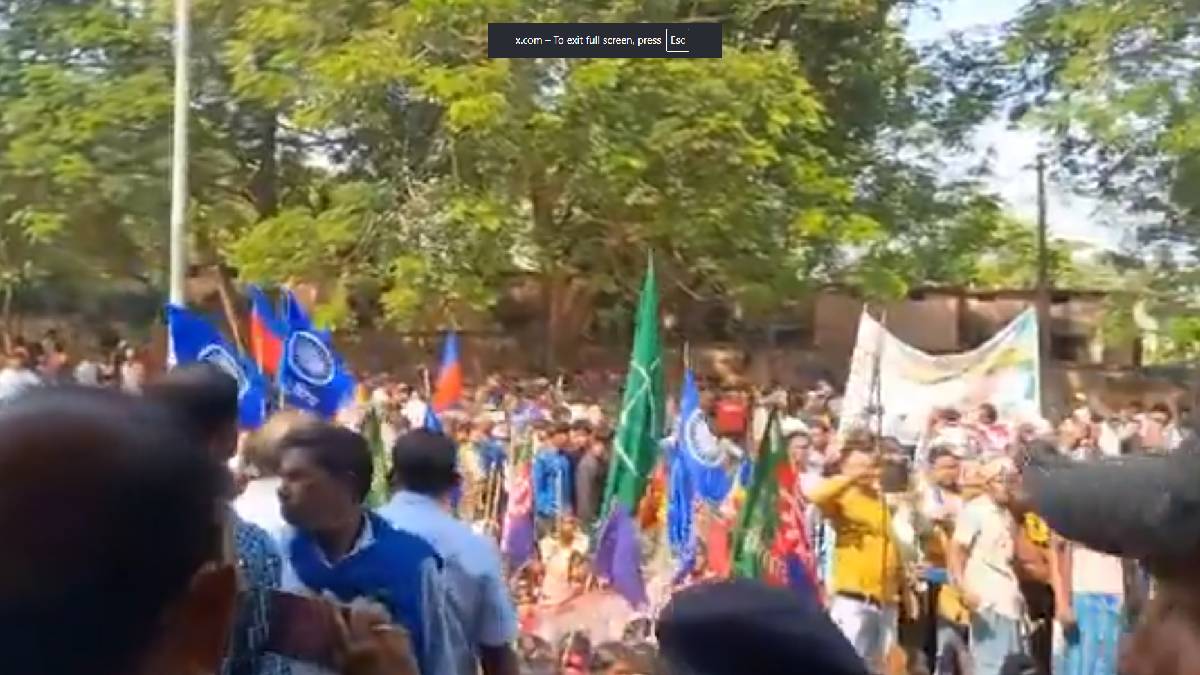
Residents and activists have protested against the arrests, demanding the withdrawal of cases against those opposing mining in the region. A protest outside the Muniguda tehsil office reportedly called for an end to alleged efforts to facilitate mining in the Sijimali hills and for the release of the arrested activists.
The dispute centres on more than the mining project itself. Local communities have raised concerns about the potential loss of forest access, water resources, agricultural livelihoods and culturally significant landscapes. For many Adivasi residents, the hills and surrounding forests are closely linked to their way of life.
Doctor’s Work With Rural Communities
Dr Randall Sequeira studied at St John's Medical College in Bengaluru before completing his postgraduate medical education at Sawai Man Singh Medical College in Rajasthan. He visited Kalahandi in 2017 for a rural posting and subsequently continued working in the region, according to accounts from his family and people who knew his work.
Residents have said that Sequeira treated people suffering from malaria, tuberculosis, fever and other illnesses in remote villages with limited access to healthcare. He and associates reportedly provided medical assistance during the Covid-19 pandemic and treated people injured during the April clashes.
A resident of Sijimali and another villager have expressed concern that a doctor who provided healthcare to local communities is now facing serious criminal allegations. Police, however, have maintained that the arrest relates to alleged involvement in the violence rather than his medical work.
What Happened During the April Clashes?
The April confrontation reportedly followed opposition to the construction of an approach road intended to provide access to the Sijimali mining project. Police have said they entered Kantamal to execute an arrest warrant and alleged that protesters attacked personnel. Residents and rights groups have offered a contrasting account, alleging that police used tear gas and batons against villagers.
Reports said dozens of people, including police personnel, were injured during the confrontation. There have also been allegations that two women who supported the project were threatened. One reportedly claimed that she and her family were denied food and water for two days and confined inside their home. These allegations require independent investigation alongside claims of police excesses.
The central issue remains whether the arrests and criminal cases are supported by evidence, and whether the concerns of Adivasi communities over land, forests and livelihoods are being adequately addressed. An impartial investigation should establish individual responsibility for the violence while protecting the rights of residents to express opposition to a development project peacefully.



Comments