
Dobara is planning to tighten restrictions on vehicle entry for vehicles registered outside the national capital on November 1 and all vehicles registered outside the national capital that do not meet BS6 emissions cannot meet the pollution standards for Delhi-based vehicles.
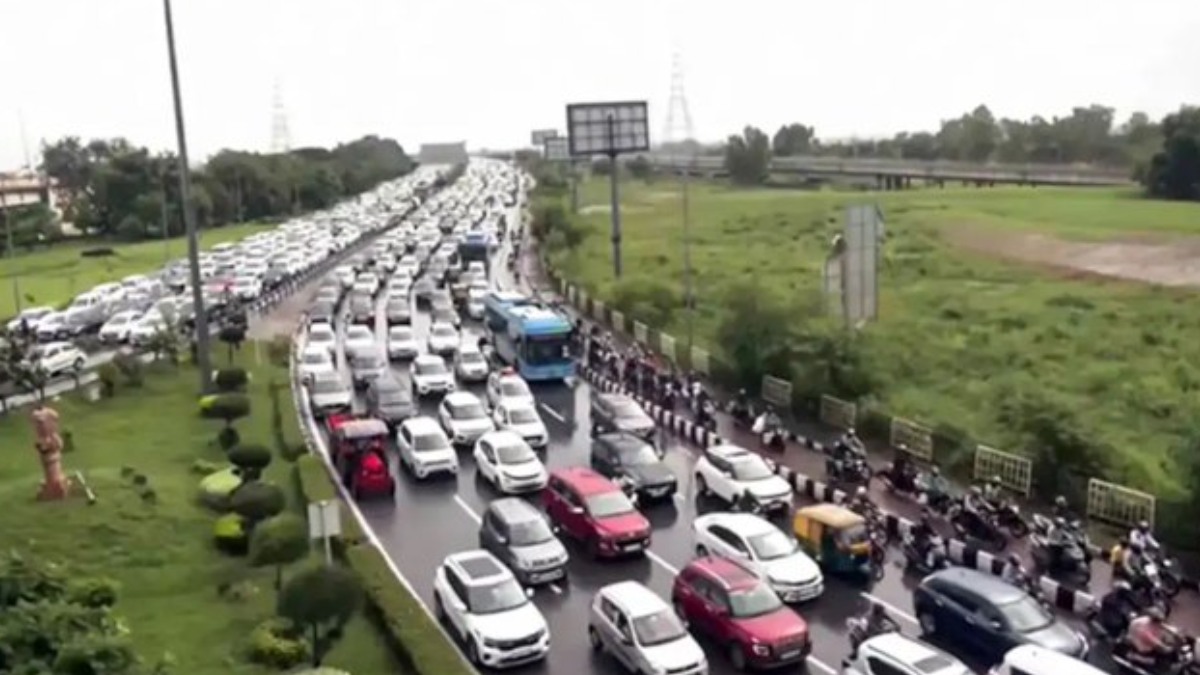
The First Step Towards combat air pollution as Delhi is entering the winter season and bad air pollution is going to be a major issue as it has become a major public health and environmental threat to the city.
The ban would affect commuters, private vehicle owners, commercial operators, and others traveling to Delhi from other states like Haryana, Uttar Pradesh, and Rajasthan if implemented as announced, and could have a negative impact on Delhi.
The proposed restriction is part of Delhi’s efforts to reduce pollution from road transport. Vehicles produce nitrogen oxides and particulate matter and older or poorly maintained engines may contribute to worsening air quality.
Traffic pollution, construction dust, industrial pollution, weather, and seasonal agricultural burning all create high pollution levels in Delhi, especially in colder months. So the authorities have tried to curb pollution and control pollution episodes, including restrictions on certain types of vehicles.
Emission standards from Bharat Stage are to control pollution from motor vehicles. BS6 is a tougher standard than previous Bharat Stage standards and set stricter emission limits for different types of vehicles.
BS6 Phase 2 standards (real driving emission standards) for new models are due to come into effect from April 2023. The real-world impact of these standards, however, will depend on vehicle maintenance, fuel quality, driving conditions, and the number of vehicles on the road.
🚨 Delhi to ban entry of outside non-BS6 vehicles from November 1. https://t.co/vYgjWReTSv
— Indian Tech & Infra (@IndianTechGuide) October 27, 2026
The Delhi restriction is for vehicles registered outside the capital that do not meet BS6 standards. This distinction is important because the proposal is not necessarily a blanket ban on every vehicle entering Delhi from another state.
The application process will depend on the vehicle’s registration, emission category, vehicle type, and the final government directions in force. Older petrol and diesel vehicles shouldn’t expect the same rules to apply to every type of vehicle, as Delhi’s pollution-control measures and court or government orders are different.
The restriction will affect commuters regularly from nearby NCR cities. Transport department estimates in the media suggest Gurugram, Faridabad, Noida, Greater Noida, and Ghaziabad account for more than 10 lakh vehicles below BS6 emission standards.
Not all vehicles in that number will be covered by the restriction, as exemptions and vehicle-registration conditions apply. Delhi authorities are preparing to beef up checks at Delhi’s entry points with automatic number plate recognition (ANPR) cameras and physical inspections to identify those vehicles that are non-compliant.
Electric vehicles and CNG-powered vehicles are among the exemptions reported, as well as ambulances, fire tenders, police vehicles, and specified essential service vehicles. Vehicles registered in Delhi are not covered by this particular outside vehicle entry restriction, but other pollution control rules and restrictions on older vehicles may still apply.
Motorists need to know what the rules on their vehicle category are before travelling, not assume that every non-BS6 vehicle is automatically prohibited in all circumstances.
The vehicle ban is part of a wider Delhi government initiative to curb pollution in the winter. Another major step is the “No PUC, No Fuel” rule, under which vehicles without a valid Pollution Under Control certificate will not be allowed to refuel at petrol pumps in Delhi.
Parking fees are also to be doubled on authorized municipal parking facilities, but exemptions apply for parking areas managed by the Delhi Metro Rail Corporation. Staggered office timings and work from home are also part of the wider plan to reduce traffic congestion and emissions.
The immediate requirement for motorists is to check the car’s emission standard and registration details. The emission category is usually available in the vehicle’s registration certificate or in the official transport records.
Owners need also to check the validity of their PUC certificate and ensure that their vehicles comply with all the guidelines. If vehicles are not in a restricted category then passengers from Noida, Ghaziabad, Gurugram, or Faridabad will have to consider alternative transport options.
The winter pollution measures in Delhi represent the challenge of managing air quality in the densely populated metropolitan region of millions of people who cross state borders every day.
While vehicle restrictions may be able to curb some transport-related emissions, the impact on other pollution control measures will depend on enforcement and the success of other pollution control measures. Commuters and transport operators have to know before entering the capital that it’s November 1 and their work is done by the deadline.



Comments