
The death of a nine-year-old girl after she collapsed at school in Delhi following a sports period has raised questions about cardiac emergencies in children and the risks of physical exertion.
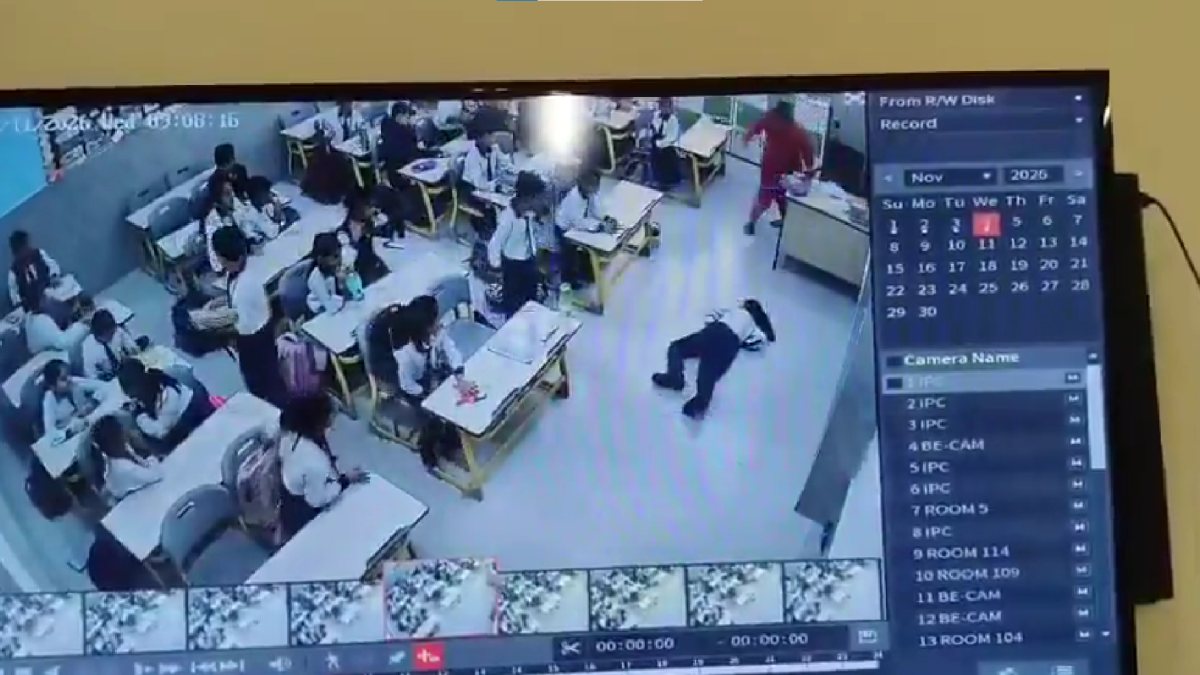
The Class 3 student from Mayur Vihar reportedly collapsed while returning to class on November 4, 2026. She was taken to a hospital in Nirman Vihar where doctors declared her dead. Reports said she might have suffered cardiac event but the actual cause of death is not yet known. Police are looking into CCTV footage and other evidence as part of investigation.
A 9yo girl in Delhi collapsed and died in her classroom minutes after coming back from a sports period. Doctors suspect a heart attack. https://t.co/qnUjhQG2jt
— The Indian Idiot (@theindianidiot) November 4, 2026
The incident has now raised an important health question: Can intense physical activity cause a cardiac emergency in a child? Medical evidence shows that it can happen under certain circumstances (when underlying heart disease is present). But sudden cardiac arrest in children is rare and ordinary physical activity remains important for healthy growth and development.
Can Exercise Cause Cardiac Arrest in Children?
Yes. Exercise can cause sudden cardiac arrest in children with certain heart problems. When a child exercises vigorously, the heart rate increases and additional demands are placed on the cardiovascular system. In a child who has an undiagnosed heart or electrical rhythm disorder that increased demand may cause a dangerous abnormal heart rhythm to start.
Conditions associated with sudden cardiac arrest in young people are:
- Hypertrophic cardiomyopathy: When the heart muscle becomes too thick (and thus less able to pump blood).
- Congenital heart defects: Structural abnormalities present at birth that may cause blood flow problems (e.g., narrowing of the arteries).
- Inherited electrical disorders: Conditions like long QT syndrome can throw off the electrical signals that control the heartbeat.
- Other heart rhythm disorders: Some inherited or acquired conditions can cause dangerously fast (arrhythmia) or irregular (dysrhythmia) heart rhythms.
The US National Heart, Lung and Blood Institute lists physical exertion and competitive sports as possible causes of cardiac arrest in people who have existing heart conditions or other risk factors.
Exercise is not dangerous for children the risk only occurs with specific underlying medical conditions (not from playing sports every day).
Why Can Heart Conditions Go Untested in Children?
Some heart conditions don’t cause symptoms in childhood. A child may look healthy, take part in school activities and not have any obvious difficulty with everyday physical activity.
Some inherited heart conditions may not be diagnosed until a person has an episode of fainting, abnormal heartbeat or more serious cardiac event.
In some cases warning signs may have appeared earlier but were mistaken for ordinary tiredness or temporary discomfort.
Family history of unexplained sudden death in young people, inherited heart muscle disease or serious heart rhythm disorders can also be an indication of increased risk.
This is why doctors consider personal medical history and family history when they evaluate children with possible cardiac symptoms.
Warning Signs Parents and Teachers Should Not Ignore
Sudden cardiac arrest can happen without obvious warning but certain symptoms during or right after physical activity warrant medical attention.
Parents, teachers and sports coaches should look out for:
- Fainting during exercise: unexplained loss of consciousness while exercising shouldn’t be treated as ordinary exhaustion.
- Chest pain: Chest discomfort during sports or exercise should be evaluated by a physician.
- Unusual breathlessness: Breathing that seems out of proportion to activity may indicate something is wrong.
- Palpitations: A racing or irregular heartbeat (especially when accompanied by dizziness or weakness) should be looked for.
- Unexplained seizures: Some heart rhythm disorders cause temporary loss of consciousness that may look like a seizure.
- Unusual fatigue or dizziness: Repeated episodes during physical activity should be discussed with a healthcare provider.
A child with these symptoms should stop exercising and be evaluated by a doctor (fainting during exercise is especially cause for concern).
What Should Schools Do During a Cardiac Emergency?
Schools play an important role in responding to sudden medical emergencies because children spend a large part of their day on campus.
A cardiac emergency response plan should have trained staff, clear communication procedures for emergencies and access to appropriate medical equipment.
Important safety measures include:
1. CPR training for staff
Teachers, sports coaches and other school employees should be trained in cardiopulmonary resuscitation (CPR). Immediate CPR can help keep blood flowing while emergency medical assistance is arranged.
2. Availability of automated external defibrillators
An AED (automated external defibrillator) can analyse a person’s heart rhythm and deliver an electrical shock if needed. Schools with sports facilities should consider having accessible AEDs available and staff trained to use them.
3. Quick access to emergency medical services
A child who suddenly collapses and is not responsive needs emergency help. Staff should not wait to call for medical help while trying to manage the situation on their own.
4. Medical information and emergency contacts
Schools should record relevant emergency contact details, known medical conditions, allergies and prescribed emergency medication (with appropriate privacy protection) in school records.
What Should Someone Do If a Child Suddenly Collapses?
Sudden cardiac arrest is a medical emergency. If a child collapses, is not breathing normally or only gasping bystanders should act immediately.
- Call emergency medical services. In India dial 112.
- Ask someone to bring an AED if one is available.
- CPR should be started immediately if the child is not breathing normally or is unresponsive.
- Follow AED voice commands; continue CPR until medical personnel take over or child shows signs of recovery.
Don’t assume that a child who collapses will get better after resting. Quick action can make the difference.
Should Every Child Undergo Heart Screening Before Playing Sports?
Not necessarily. ECG or echocardiogram testing of every healthy child is not recommended by all medical organisations. Screening methods differ; if you test every child false-positive results can occur and unnecessary investigations will be carried out.
However children with concerning symptoms, known heart disease or family history of inherited heart disease or unexplained sudden death may require further assessment.
A doctor can decide whether an ECG, echocardiogram or specialist consultation is needed based on the history and symptoms of the child.
Parents should discuss relevant family medical history at routine paediatric check-ups and before children start competitive sports.
Physical Activity Remains Important for Children's Health
The Delhi incident is a lesson in recognising cardiac warning signs and training schools to respond to medical emergencies but it shouldn’t give the impression that sports and exercise are unsafe for kids.
Physical activity (exercise) helps with cardiovascular fitness, bone development, muscular strength, mental health and healthy growth.
What should we do? Promote safe participation; recognise unusual symptoms; identify children who may need medical assessment and schools have emergency response arrangements.
We don’t know what actually happened to the nine year old girl in Delhi until we have medical findings and police investigation. It would be premature to say physical exertion caused it before that information is available.






Comments