
The INDIA bloc could go on the march against Chief Election Commissioner (CEC) Gyanesh Kumar on Friday, when Opposition members plan to march on Rashtrapati Bhavan, New Delhi on Friday.
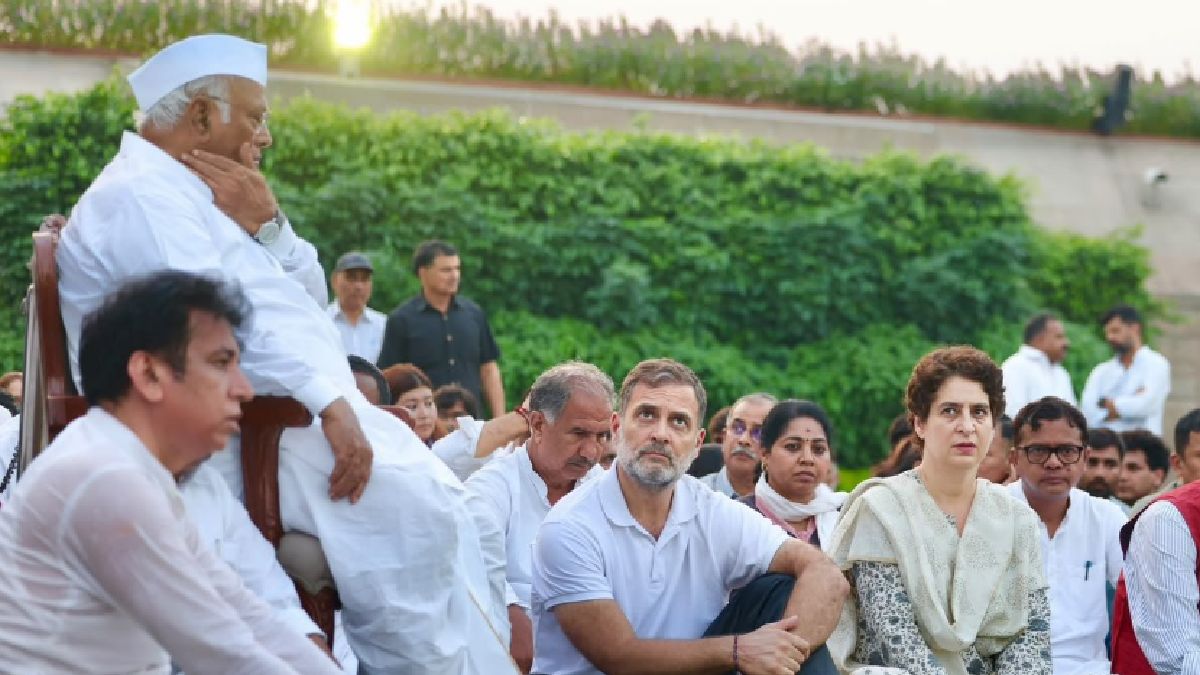
he protest is coming at a time when the Election Commission of India (ECI) is in the fiercest criticism for the Special Intensive Revision (SIR) of electoral rolls and of its failure to hold it accountable for it.
Opposition parties have agreed to send a 10-member delegation to meet President Droupadi Murmu, it has been reported. The meeting will enable the INDIA bloc to raise its concerns regarding the electoral roll revision process and to press for action on the demand. The alliance did not have an appointment with the President at the time of the report.
Though it signed up to the proposed delegation format, INDIA bloc MPs are expected to get involved in the planned march towards Rashtrapati Bhavan. This signals that the opposition will continue its public campaign as well as to use constitutional channels to raise this issue.
The proposed delegation includes some of the most prominent opposition leaders, including Congress president Mallikarjun Kharge, Leader of Opposition in Lok Sabha Rahul Gandhi, former West Bengal chief minister Mamata Banerjee and Rashtriya Janata Dal leader Tejashwi Yadav.
The plan will depend on the response of the leadership to the invitation of a meeting.
The latest plan follows several days of demonstrations in Delhi in which opposition leaders have claimed that they were restricted in getting to protest at designated points of power like Jantar Mantar. The INDIA bloc has called for the Election Commission to be held responsible, and CEC Gyanesh Kumar to resign.
Why is the INDIA Bloc protesting?
The protests centre on the Special Intensive Revision of electoral rolls, which is designed to review and update voter lists. Opposition parties have raised concerns about how the revision is being carried out, including voter registrations and deletions. They say the process needs more transparency and safeguards to ensure eligible voters are not excluded.
In response, the controversy reignited when an Indian Express report said Election Commissioners Sukhbir Singh Sandhu and Vivek Joshi raised objections on at least 14 occasions during a period of 10 months. Some objections were on decisions and orders that the commissioners said were made without their consent and approval.
The issues involved voter registration, deletions, changes to Form 6 and taking care of electoral data, the newspaper reported.
Opposition leaders have cited the report to question the functioning of the poll panel and demand the resignation of Gyanesh Kumar. But they have said the SIR process needs to be reformed in order to restore public confidence in the electoral system.
But the reported objections and the opposition’s allegations have not established that the electoral revision process was deliberately manipulated. The Election Commission has maintained that its decisions, including those involving SIR, were unanimous among the three commissioners. Officials have described the reported notes as part of the commission’s decision-making process.
Election Commission defends its decisions
The Election Commission’s response is a major part of the ongoing controversy. As soon as Sandhu and Joshi’s objections came to the fore, officials said the final decisions made by the three-member panel were unanimous. The Commission has also maintained that internal discussions, suggestions and differences of view are part of the functioning of a multi-member institution.
The opposing views have added to the political debate over the revision of electoral rolls. While opposition parties are demanding explanations and accountability, the poll body has defended the decisions taken under its supervision.
The dispute has also put the transparency of voter-list management in the spotlight again. Electoral rolls determine who is eligible to participate in elections and so accurate registration and clear procedures are central to public confidence. So questions about additions, deletions and how voters are handled will remain central to the political debate.
President’s meeting and protest plans
The INDIA bloc’s proposed meeting with President Droupadi Murmu is expected to offer a chance for opposition representatives to formally raise their concerns. The 10-member delegation would allow senior leaders to say directly if the appointment is confirmed.
At the same time, the march towards Rashtrapati Bhavan is intended to keep pressure on the Election Commission and draw attention to the opposition’s demands. MPs from other parties would have to be present so that the SIR issue could be framed as a collective issue.
The march and the proposed presidential meeting are part of a campaign that also has seen demonstrations and sit-ins in the capital. And as opposition leaders continue to push back on the electoral roll revision and the poll panel leadership.
The immediate future will depend on whether the President’s office confirms a meeting and how authorities respond to the planned march. The controversy is likely to go on as opposition parties push for answers and the Election Commission maintains that its decisions on SIR were unanimous.


Comments