
A cargo ship carrying thousands of tonnes of wheat capsized off Bulgaria’s Black Sea coast after it was hit by what is believed to be a sea drone attack, and an international rescue operation was launched. All 12 crew members on board were rescued after the ship sank in Bulgaria's EEZ (exclusive economic zone) on November 16.
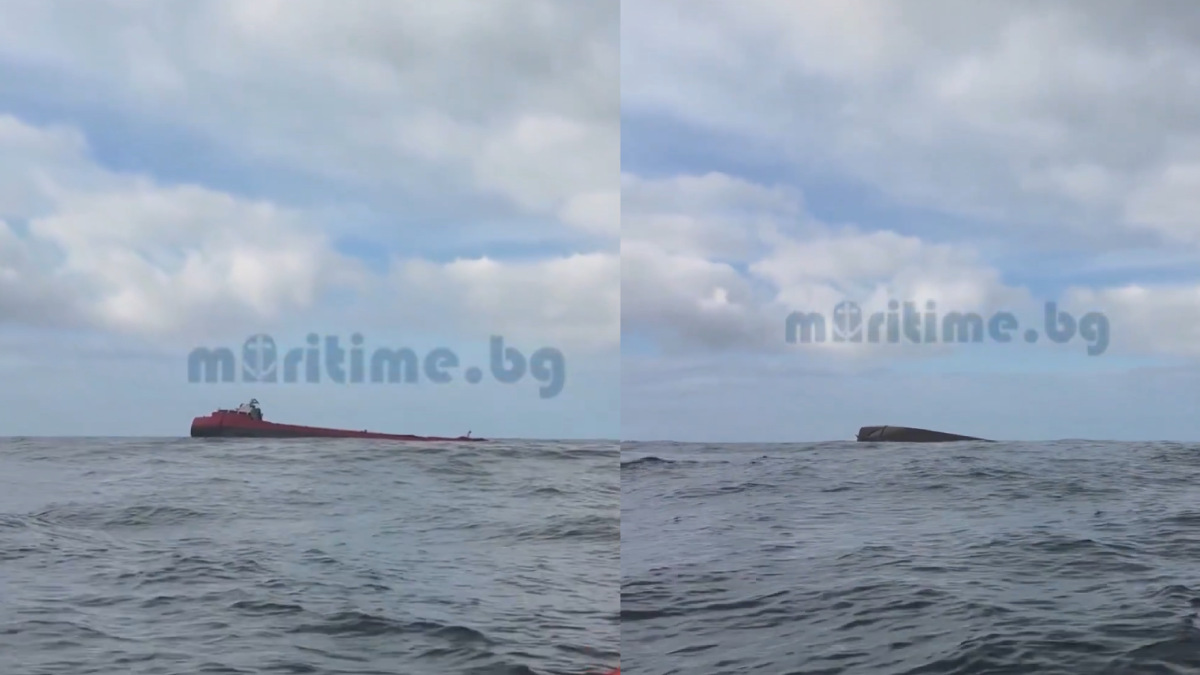
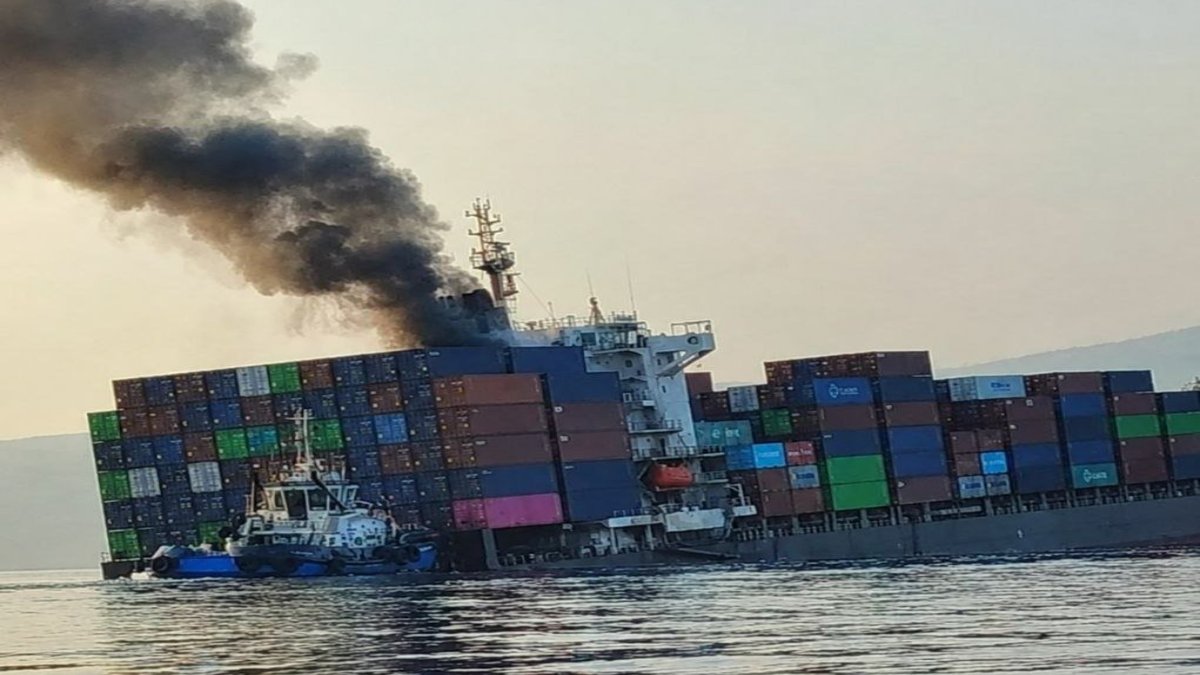
The Somali-flagged Betul 8 was travelling from Romania to Egypt when it reportedly came under attack. Bulgarians said naval vessels and military helicopters evacuated crew members. It has renewed concerns about maritime security in the Black Sea, where commercial shipping is increasingly threatened by Russian attacks amid the Russia-Ukraine war.
The Bulgarian Transport Ministry said the Maritime Rescue Coordination Centre in Varna received a distress signal at 9:15 am on Monday. It was around 40 nautical miles (74 kilometres) southeast of Cape Kaliakra when the call came through, according to the ministry. The ship had about 3,000 metric tonnes of bulk wheat on board and was sailing from Tulcea in Romania to Egypt.
Bulgarians immediately launched a search-and-rescue operation to find the vessel and evacuate its crew after the distress signal was received. An aerial survey later showed that the cargo ship had capsized, so rescue resources were sent to the area.
Crew members who were rescued and brought to the Bulgarian port city of Varna reportedly told journalists that their ship had been hit by two sea drones before it sank: The unmanned maritime devices struck the ship, forcing the crew to abandon it and take refuge in life rafts.
Photographs allegedly provided by surviving crew members showed the suspected drones involved in the incident, but Bulgarian authorities have not officially confirmed what caused the sinking or who was responsible for the reported attack on the ship. Maritime security sources cited by Reuters also said the vessel had been hit by a sea drone. Investigations into the incident and origin of the drones are expected to remain a major focus for regional authorities.
🚨 BREAKING: Two sea drones hit the Somalia-flagged m/v BETUL 8 (IMO 8817198) on her port side SE of Cape Kaliakra, Bulgaria. At 07:10 UTC she capsized and began to sink. All 12 crew were airlifted to Chayka Air Base. #BlackSea https://t.co/GT74bRQBmF
— Maritime.bg (@MaritimeBul) November 16, 2026
Four ships of the multinational Black Sea Mine Countermeasures Group were involved in the rescue operation (two Bulgarian ships, one Romanian vessel and one Turkish vessel). Two Cougar helicopters and a Su-25 aircraft from the Bulgarian Air Force supported the operation and monitored the area around the wreck. The helicopters evacuated the stranded sailors, and naval personnel coordinated the rescue operations.
All 12 crew members (eight Turks and four Azerbaijanis) were brought to safety. Bulgarian authorities said the rescued sailors were in good condition, but some had been cold after spending time in the water; one crew member also suffered a minor head injury. No fatalities were reported.
Bulgaria sent a naval vessel to the spot where the cargo ship went down after the rescue operation because they wanted to see if marine pollution had occurred. The reason for the monitoring was that the ship carried bulk wheat, and authorities wanted to know whether the sinking had caused any environmental damage or contamination in the area (reports at the time did not show any). The manager of the ship, based in the Marshall Islands, was not immediately available for comment following the incident. The vessel was under the Somali flag when the accident happened.
The sinking of Betul 8 comes amid concerns about a series of attacks on commercial vessels in the Black Sea. Maritime security firm Diaplous said it was the 17th ship attacked off Bulgaria and Romania’s coasts since mid July. The latest attack came just hours after three other vessels were struck off Romania over the weekend, but no casualties were reported.
Attacks have led shipping companies, maritime authorities and international organisations to worry about the safety of commercial vessels using important trade routes in the Black Sea. Both Bulgaria and Romania are NATO members, so they are particularly concerned about growing security risks in their surrounding maritime zones.
The Black Sea has become a strategic grain transportation route in recent years (since Russia launched its full-scale invasion of Ukraine in February 2022). Ukraine is one of the world’s largest agricultural exporters, and security of its Black Sea shipping lanes is necessary for grain to be transported to international markets.
Russian attacks on Ukrainian ports and infrastructure have made commercial shipping operators more vulnerable, but Ukraine has also been accused of targeting Russian vessels elsewhere in the Black Sea. Bulgarian and Romanian officials have previously complained about attacks near their maritime territory, some pointing fingers at Russia, but Bulgaria has said there was no confirmed evidence of responsibility for the latest incident, while Moscow denies any involvement in previous attacks in the region.
The Betul 8 incident shows just how dangerous commercial shipping is becoming in a region that is important for global food transportation: thousands of tonnes of agricultural commodities move through Black Sea ports and shipping routes linking producers in Eastern Europe to markets around the world.
Attacks on merchant ships multiple times over could disrupt those chains, drive up maritime insurance costs and add more uncertainty for international traders. All 12 sailors were rescued, so no human tragedy was suffered, but the latest sinking has increased calls for better maritime surveillance, rescue preparedness and protection for commercial vessels operating in the Black Sea.





Comments