
Malaysian customs authorities have seized 30 server units containing advanced artificial intelligence (AI) chips worth around 49.5 million Malaysian ringgit (US$12.1 million) at Kuala Lumpur International Airport to be shipped out of Malaysia on a suspected network that has been shipping high-performance semiconductors through Malaysia without permission, according to the Malaysian police.
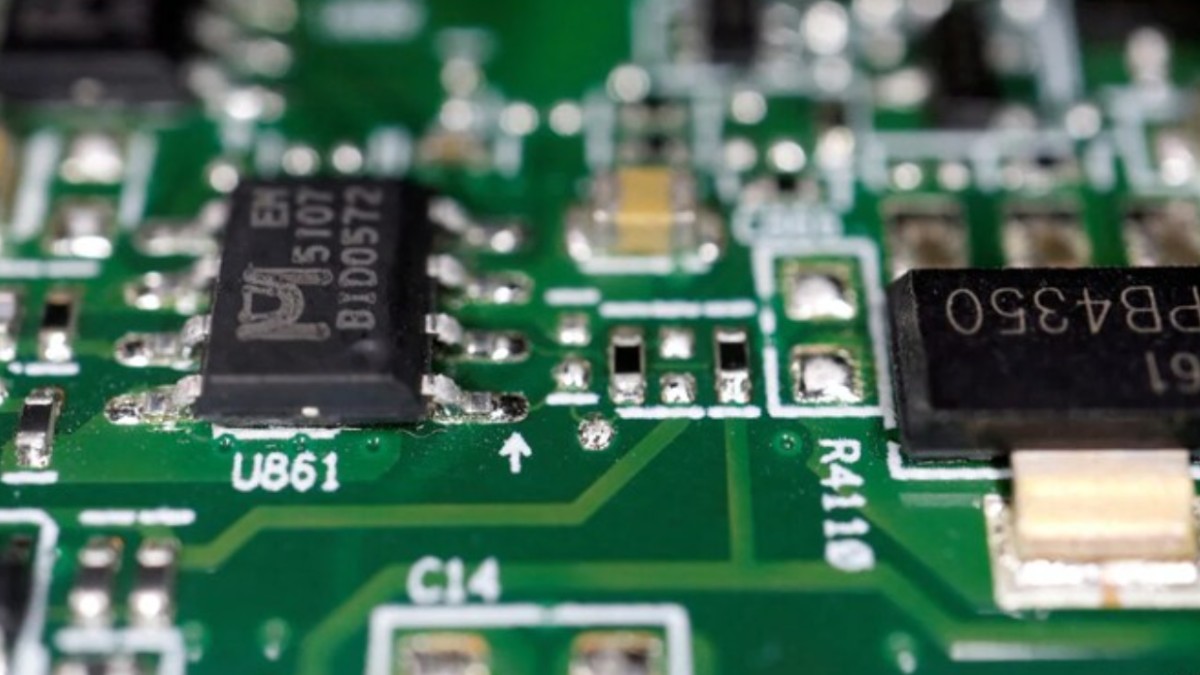
The seizure took place on October 15, 2026, in the airport's free trade zone. Customs officials announced the operation on October 28, saying preliminary investigations revealed that the shipment had been falsely declared as electronic components and then shipped through Malaysia to another Asian country.
Malaysia Seizes AI Chips Worth $12 Million At Airport, 5th Case This Year https://t.co/nsBOEvz64J https://t.co/7Vpfq6edXU
— NDTV World (@NDTVWorld) October 28, 2026
The case is linked to a larger network of AI chip manufacturers who have tried to move advanced AI chips through the country through many attempts to move them through the country in multiple attempts. The investigation is under way and so far the chip models and their country of manufacture and destination of production are not disclosed, officials had not said.
AI chips found inside 30 Server Units
According to Malaysian customs officials, the shipment contained 30 server units with advanced AI chips. The equipment came to the airport from an unspecified Asian country under a single air waybill and was brought to the airport and passed through the airport free trade zone (see text from a Malaysian customs official).
When the servers were inspected, authorities found that the servers were declared as generic electronic components. It is believed that the declaration was done intentionally to avoid detection and facilitate the shipment's onward movement.
The servers were due to be re-exported to another Asian country, customs officials said.
The company that brought the package is under investigation, the authorities said. That company has been called into the investigation and has been asked to help, but officials have not publicly identified it.
No arrests were announced in connection with the case at the time of the report.
Malaysia suspects a wider AI chip smuggling network
Customs officials believe the latest seizure might be a result of a syndicate that has been linked to a number of similar cases in recent years.
The October interception was also the fifth case related to the suspected network. The total value of seized chips was more than 100 million ringgit over the five cases.
In June 2026, Malaysian authorities seized another shipment of 72 server units with advanced AI chips at the Kuala Lumpur airport free trade zone.
Officials have not provided all the details of the suspected network—the identities of those involved or the final destinations of the shipments. They have also not confirmed that every case involved the same route or destination.
The analysis reveals the challenges of customs agencies tracking the movement of high-value computing equipment through international logistics hubs, particularly when shipments pass through several countries in the path of their destination.
Why are advanced AI chips subject to export controls?
Advanced AI chips are required for training and operating sophisticated AI systems. They provide the processing power needed for large-scale computing systems including data centers, scientific research and software development.
Some of the high performance semiconductors may have military applications, in systems that exploit advanced computing and weapon development. As a result, governments have imposed controls on the export and transfer of some chips and technology.
Malaysia introduced stricter requirements for the export, transit and transshipment of designated high-performance AI chips of US origin in 2025. The moves were driven by Washington’s pressure to prevent sensitive technology from being diverted to restricted destinations, particularly China.
Some advanced chips under Malaysia’s strategic trade framework require permits and advance notification under the international trade framework of Malaysia. The rules would ensure that controlled technology is not transferred in a manner that is contrary to the restrictions in place.
Officials have not confirmed that the seized chips were manufactured in the United States. Their origin and intended destination remain undisclosed while the investigation continues.
How Malaysia has become an important transit point?
Malaysia is also a key player in the world semiconductor supply chain and is developing its data centre industry. Its electronics manufacturing industry and international transportation links make it a technology-based country.
But these connections also pose challenges to the authorities responsible for imposing restrictions on sensitive equipment. Shipments that pass through a country for further export may be required to have permits even if that equipment is not intended for use in that country.
In a sense, investigators are looking at whether the suspected network used Malaysia as a transit point to avoid restrictions that could be present if the servers were shipped directly to their final destination.
As we are well aware, this case is all about ensuring that cargo declarations are right and export control is followed in the supply chain.
What happens next to the investigation?
Malaysian authorities are still investigating the shipment and the alleged network behind the attempted transfer. The company that helped facilitate the latest shipment has been asked to assist, officials say, while officials do not elaborate about where and how the equipment came from and where it is going.
The seizure does not, by itself, establish who ultimately intended to receive the servers, or whether the chips were destined for a particular company or government. Those questions remain part of the ongoing investigation.
The situation also reflects increasing international scrutiny of advanced AI hardware. As high-performance chips become increasingly important as the basis of economic competitiveness and national security, governments are increasing efforts to monitor shipments and prevent unauthorized transfers.
The outcome of Malaysia's investigation may reveal more about the alleged network and how it might have tried to move controlled technology across borders.






Comments