
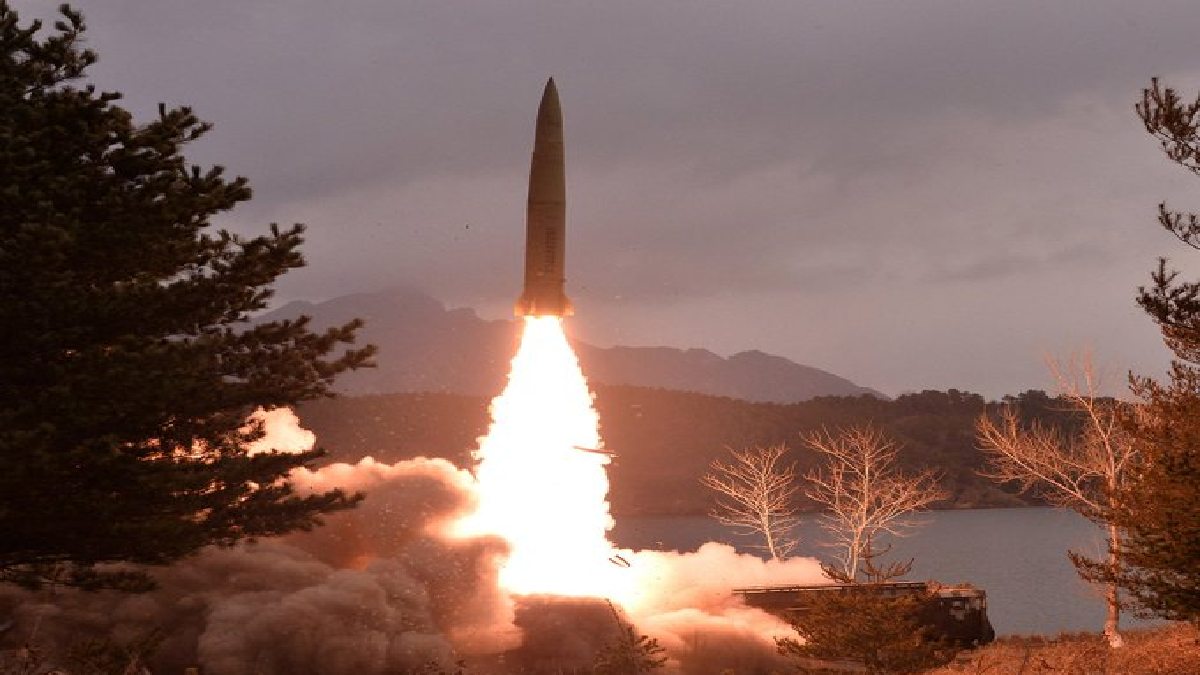
North Korea fired a barrage of short-range ballistic missiles into the sea off its eastern coast Thursday, October 29, 2026, raising new risks for security in the Korean Peninsula. South Korea’s military detected around a dozen missiles launched from the Wonsan area, as relations between the two countries continue to deteriorate over border security and military activities.

North Korea Launches Multiple Ballistic Missiles
According to South Korea’s Joint Chiefs of Staff, the missiles were launched at 12:30 p.m. local time. The projectiles were launched into the East Sea, also known as the Sea of Japan.
South Korean military authorities said they had enhanced surveillance and remained alert to the threat of more launches. Seoul is also sharing information about the incident with the United States and Japan as it monitors developments, the three countries said.

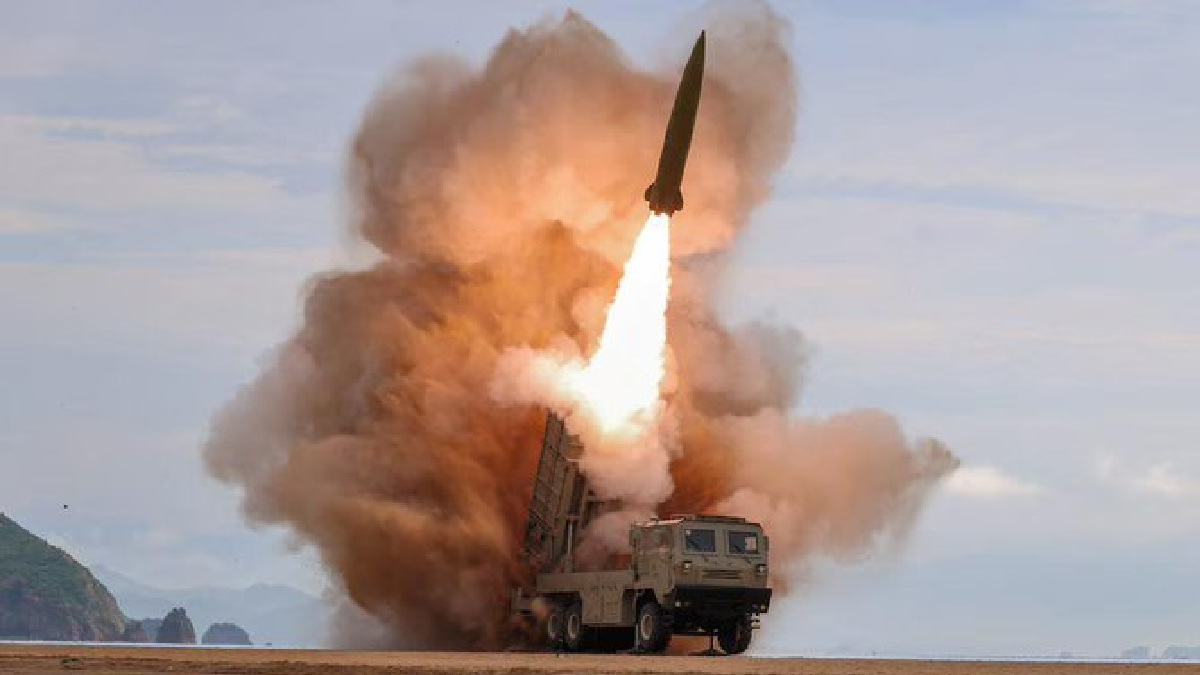
Japan’s authorities reported detecting a possible ballistic missile launch. Initial assessments indicated that the projectiles had fallen into the sea outside Japan’s exclusive economic zone.
The precise flight distances and many other technical details were still being reviewed by military officials. The launch was the latest in a series of weapons tests by North Korea in 2026.
Border Dispute Adds to Regional Tensions
The missile launches come as relations between North and South Korea are sour after a series of disputes along their heavily fortified border.
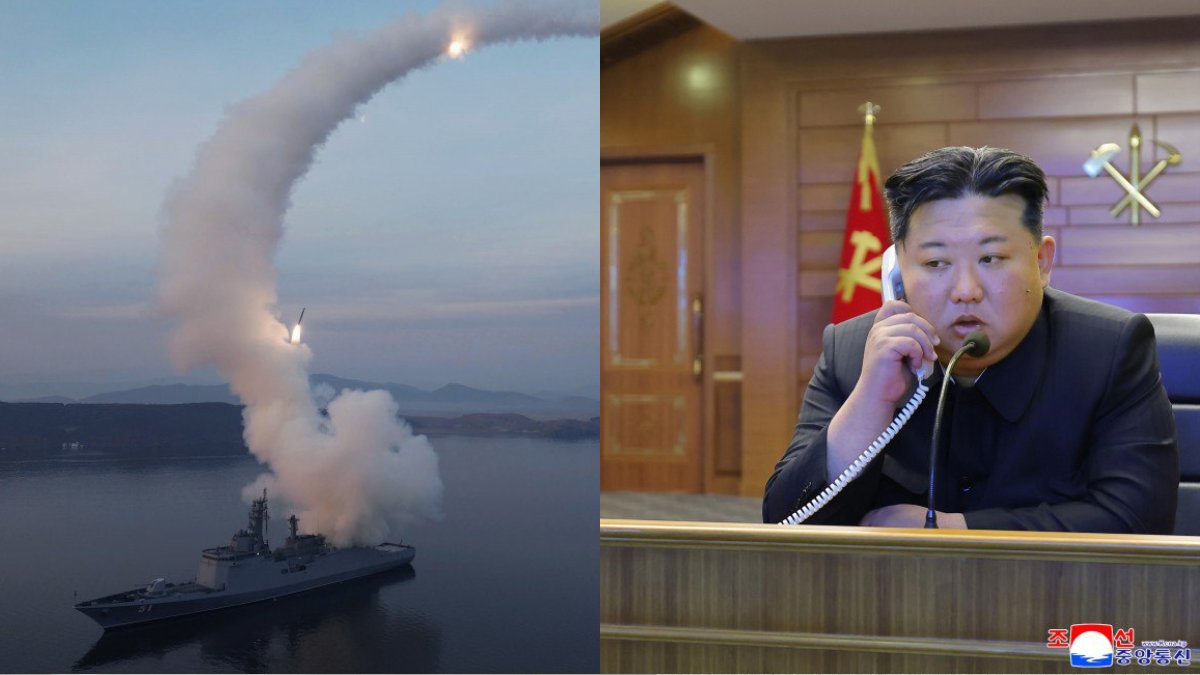

Tensions increased after landmine explosions near the military demarcation line in September injured three South Korean soldiers. Seoul accused North Korea of planting the mines and Pyongyang denied the allegation and warned against what it called provocations.
The incident has led to fears of more violent confrontations in the Demilitarised Zone that separates the two countries.
Kim Jong Un is playing with fire again. Just 1.5 km from Gimpo, South Korea, North Korean self-propelled artillery guns are positioned with their barrels pointing south. While North Koreans live in poverty and fear, the dictator flaunts his artillery at his neighbors. His regime doesn’t need peace or prosperity. It thrives on threats, intimidation, and confrontation.
— распад и неуважение (@VictorKvert2008) October 26, 2026
South Korea recently proposed talks to clarify border arrangements and reduce the possibility of accidental clashes. At the time of the latest missile launches, North Korea had not responded to the proposal.
Pyongyang has also threatened to continue propaganda broadcasts on loudspeakers near the border and to send more weapons systems to the area. Such statements have made it more difficult to ease tensions.
US, South Korea and Japan Monitor Developments
The latest launches also have raised security cooperation between South Korea, the United States and Japan. The three countries have kept up information-sharing and monitoring North Korea’s military activities.
North Korea has done several recent weapons tests, including reports of submarine-launched cruise missiles and hypersonic weapons. Regional security concerns remain high.
Analysts have suggested that Pyongyang’s weapons programme might also serve as a means of increasing pressure on Washington to act as a checkmate when it comes to possible diplomacy between US President Donald Trump and North Korean leader Kim Jong Un. But the immediate reason for Thursday’s launches has not been officially explained so far.
Kim Jong Un Strengthens Ties With China
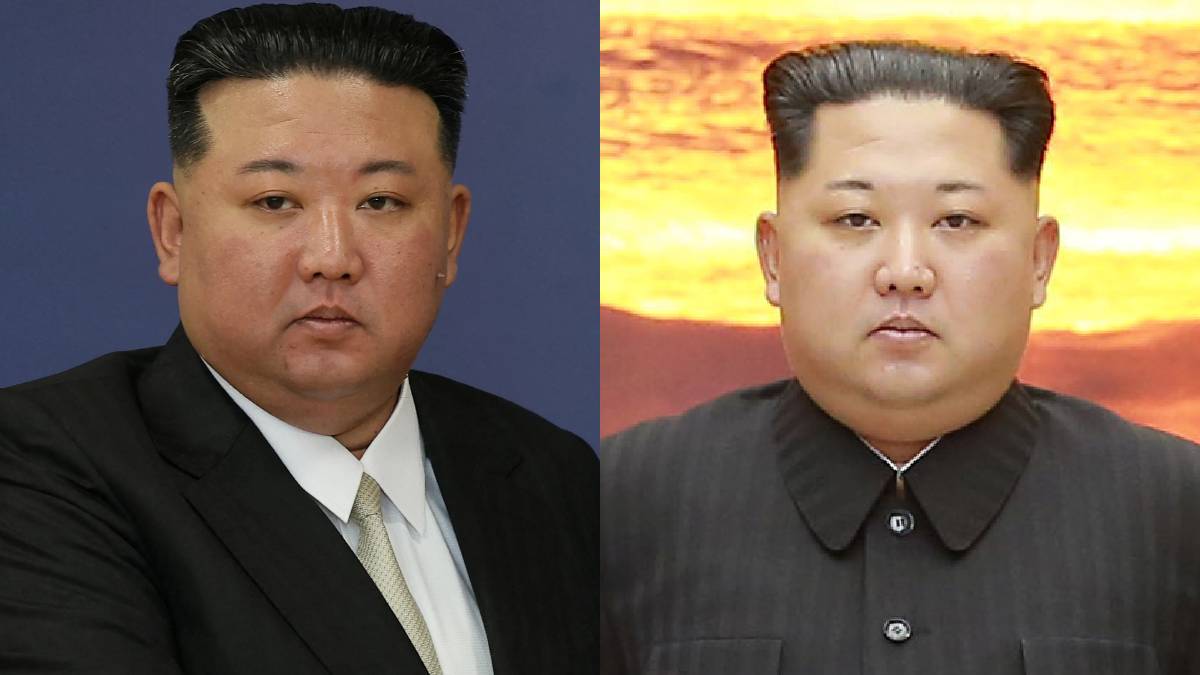
The missile launches also followed Kim Jong Un’s recent visit to China, North Korea’s biggest ally and economic partner. Kim reaffirmed the importance of cooperation between the two countries and met China’s senior Communist Party official Wang Huning.
North Korea has sought to strengthen its relationship with Beijing in the past after a period of closer cooperation with Russia, including support in Moscow’s war against Ukraine.
As South Korea and its partners continue to assess the latest missile activity, we are now waiting to see if Pyongyang will carry out more tests and how the regional powers will respond.
For now, the launches also underscore the continuing security challenges facing the Korean Peninsula where unresolved border disputes, weapons development and strained diplomatic ties make efforts to alleviate tension difficult.









Comments