
There is also concern about the safety of the school building and maintenance standards, the safety of children, and overall school safety in Pakistan. The death toll was so high that families and the community in Peshawar have not been able to bear it. The disaster and the rescue and emergency response are key, and people in the area are now anxious to come out of this and know what happened.
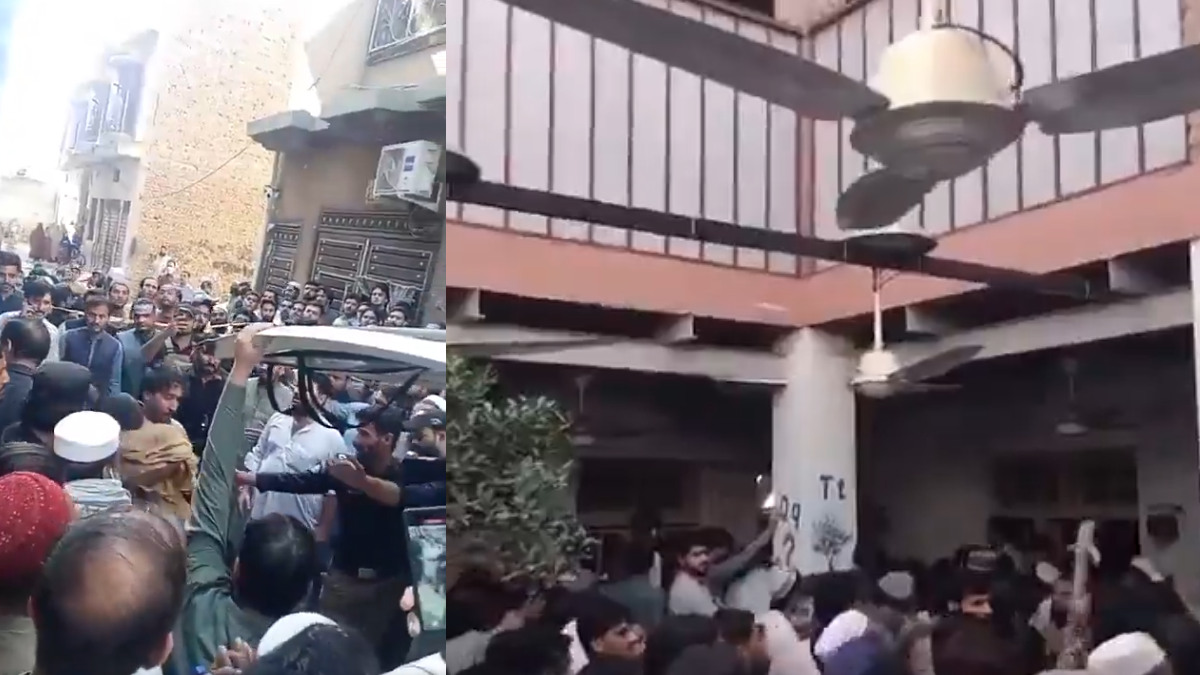
The collapse took place at a school in Peshawar, the capital of Pakistan’s Khyber Pakhtunkhwa province. The tragedy struck at the centre of a place where children should be able to study in a safe environment. With many students among those reported killed, families have experienced an unspeakable loss.
School buildings should have basic structural safety requirements, especially in areas where hundreds of thousands of children gather to study every day. If a roof or other major part of a building suddenly gives way, the situation can be catastrophic, especially for students and teachers who have little time to escape from the building.
That 21 people died, among them 20 students, is a testament to the human costs of the collapse that the numbers speak to in human life too. The families whose lives have been turned around because they lost their children and a school community left to cope with shock and grief.
Such events can also leave lasting emotional scars on students, teachers and witnesses. Support for families and children and a very clear and transparent response from the authorities in the immediate aftermath of a disaster of this magnitude is very much needed in the first hours after a structural collapse.
Building collapses are common in the world of construction, but also in poorly maintained buildings with insufficient load-bearing capacity. It is not clear if the Peshawar incident was caused by the death toll alone. The building would have to be examined (the design, quality of construction, age of the building, the history of maintenance and any previous warnings regarding the building), and investigators would need to determine if the building had previously been inspected and whether any recommendations have been made.
The incident has raised the need for rigorous safety inspections of educational buildings. Schools should be built to standard in order to support the number of children and staff every day. Schools and the government that build them need to make sure damaged or unsafe buildings are identified as soon as possible and, when necessary, move them to safer places.
Structural inspections and maintenance systems in place to minimise hazards are good, but they will only be half the solution. Any shortfalls in the management or maintenance of the affected school should be taken into account through legal and administrative means.
The tragedy of Peshawar is a painful reminder that school safety is a basic duty, not a shortcoming. Families and the public will want to find out what happened, whether warning signs were missed and what steps can be taken to prevent another disaster. And the 20 students who died are worth investigating thoroughly and transparently.
When we get the official reports and the reason behind the collapse, we don’t want to put it down to them; we don’t want to blame anything, and we would like to know the impact of this disaster on the families right now, and we want to be able to get the kids at the school into safe buildings.



Comments
Leave a Comment