
SpaceX’s ambitious Starship test flight was aborted when its Super Heavy booster failed to return to Earth and the company abandoned a mid-air tower catch attempt. The booster was dumped into the Gulf of Mexico where it exploded after landing offshore.
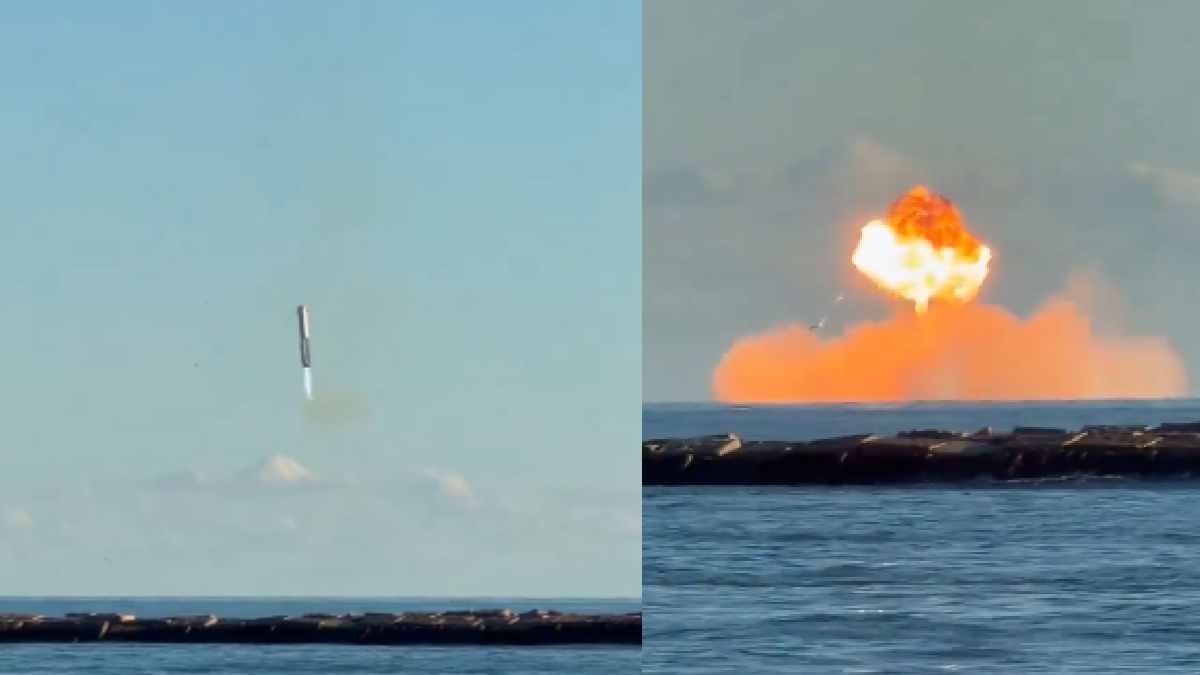
The incident happened on November 13, 2026 during Starship Flight 15 launched from SpaceX’s Starbase facility in South Texas. This was an important mission because it was the first time the company was trying to recover both stages of its massive rocket (stage is split into two halves after launch).
Starship lifted off at about 4:47 p.m. local time with 33 Raptors on its Super Heavy first stage. It cleared the launch tower and went up as planned until the two stages separated almost two and a half minutes after liftoff.


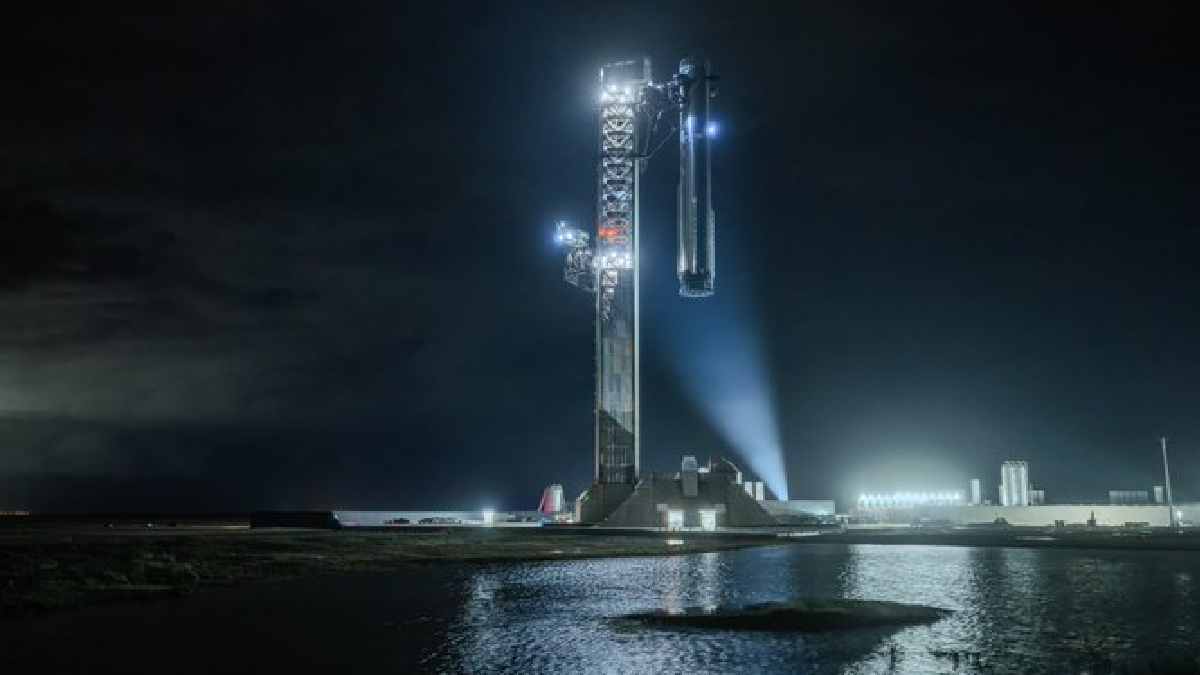
Once separated the Super Heavy booster started its return to the launch site. SpaceX had planned to catch the returning booster with two giant mechanical arms (known as ‘chopsticks’) attached to its launch tower.
But recovery didn’t go as planned. A problem caused the booster to abort automatically and it couldn’t continue toward the tower catch flight controllers steered it instead to an offshore landing area in Gulf of Mexico.
The booster then blew up after it fell off the ocean floor and SpaceX’s attempt to recover the upgraded first stage vehicle at the pad was over. The company didn’t immediately say what technical problem caused the malfunction or why it aborted automatically.
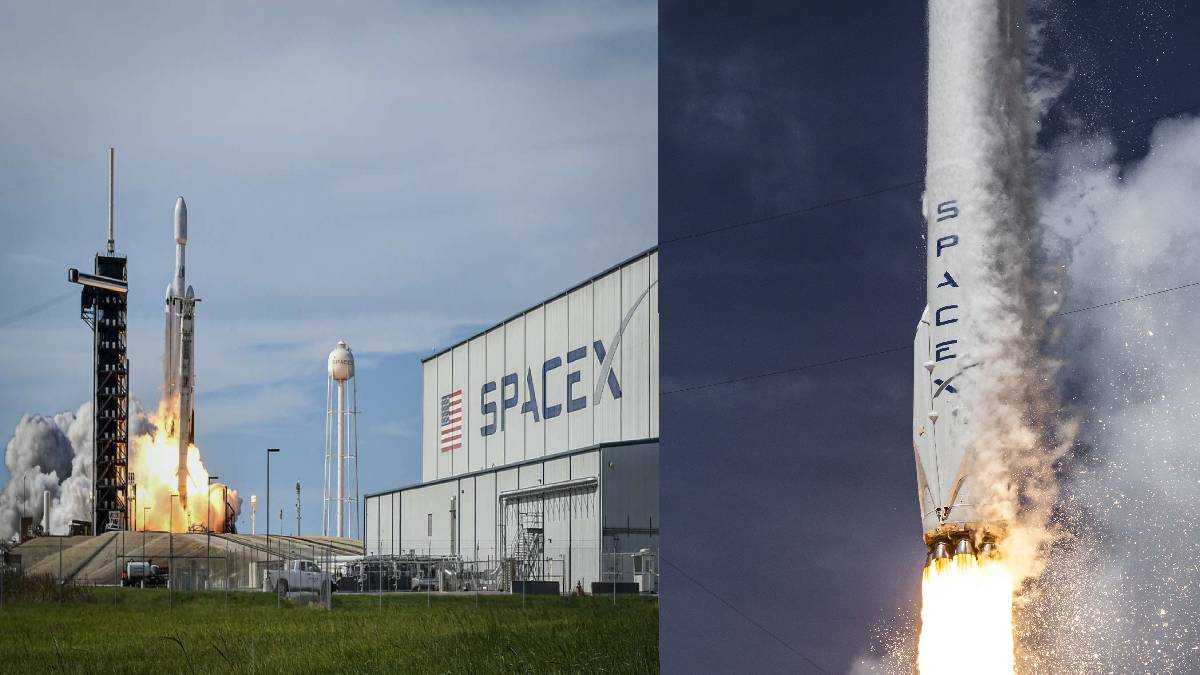

First Recovery Attempt for Super Heavy V3
The failed recovery was important because Flight 15 was the first attempt to catch a Version 3 Super Heavy booster. This upgraded booster is an important step in SpaceX’s effort to develop a more powerful and reusable launch system.
SpaceX had already caught three earlier-generation Super Heavy boosters so many times that the company is now working on recovering and reusing both stages instead of losing rocket components after every launch.
The tower-catch system uses mechanical arms to grab the returning booster (so less time for recovery and maybe more efficient launches in future).
Starship booster exploded before hitting the water after an aborted catch attempt https://t.co/9ooc3uZbEL
— KOR DIEL🐐🇰🇪 (@were_w31) November 14, 2026
Starship Continues Its Orbital Mission
The booster did not recover but the Starship upper stage continued on towards orbit. The spacecraft performed its insertion into orbit and deployed 26 next generation Starlink V3 satellites.
The upper stage (Ship 42) was expected to remain in orbit for more than 21 hours before attempting a return to Starbase.
SpaceX was still hoping for a second tower-catch on the upper stage. If successful that would be another major milestone in the company’s reusable rocket programme.
What This Means for SpaceX
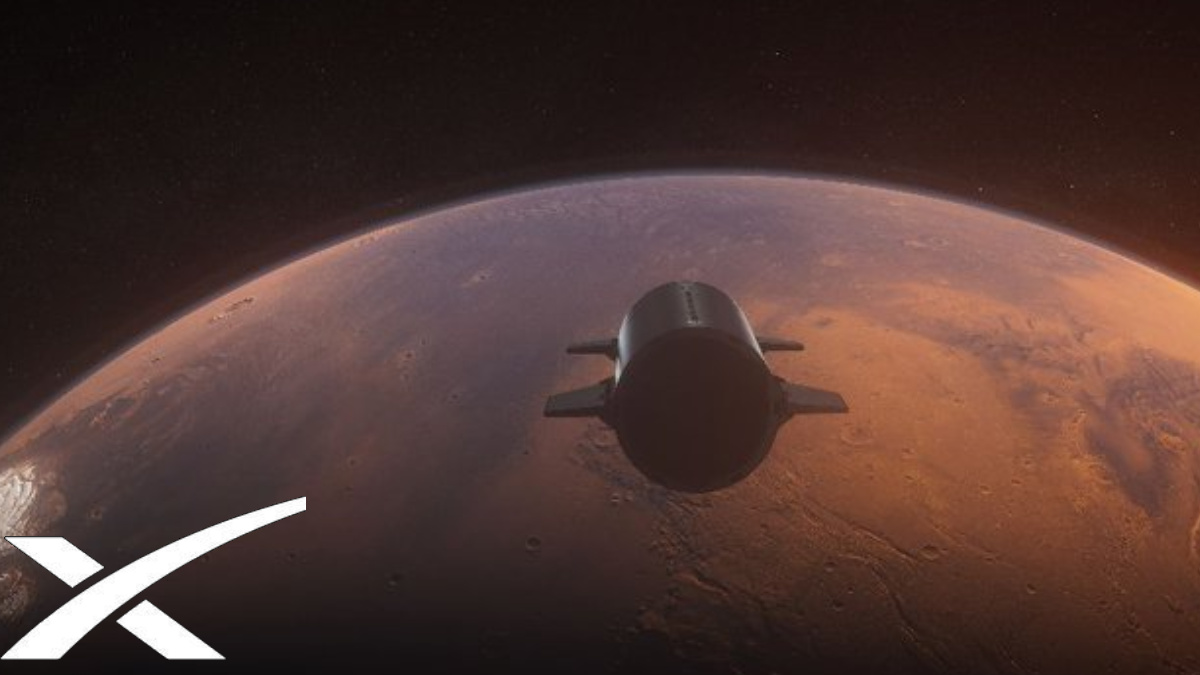
The incident shows what engineering challenges there are in building a fully reusable rocket system. SpaceX wants Starship to enable future satellite launches, NASA’s moon missions and eventually human journeys to Mars.
Although the booster recovery attempt failed, launch and orbital operations were successful so flight data could be obtained for engineers.
The company will now assess the booster’s performance and investigate what went wrong before deciding what to do next. The outcome of Ship 42 return attempt (the other one) will also be watched as SpaceX tests its ambitious rocket programme again.






Comments