
Bengaluru-based artist has been awarded international recognition by exhibiting a collection of paintings at the United Nations Headquarters in New York for the first time since he has been performing at the world’s largest diplomatic forum for such an exhibition as a work of art at the United Nations Headquarters and the world’s most prominent diplomatic institutions in New York.
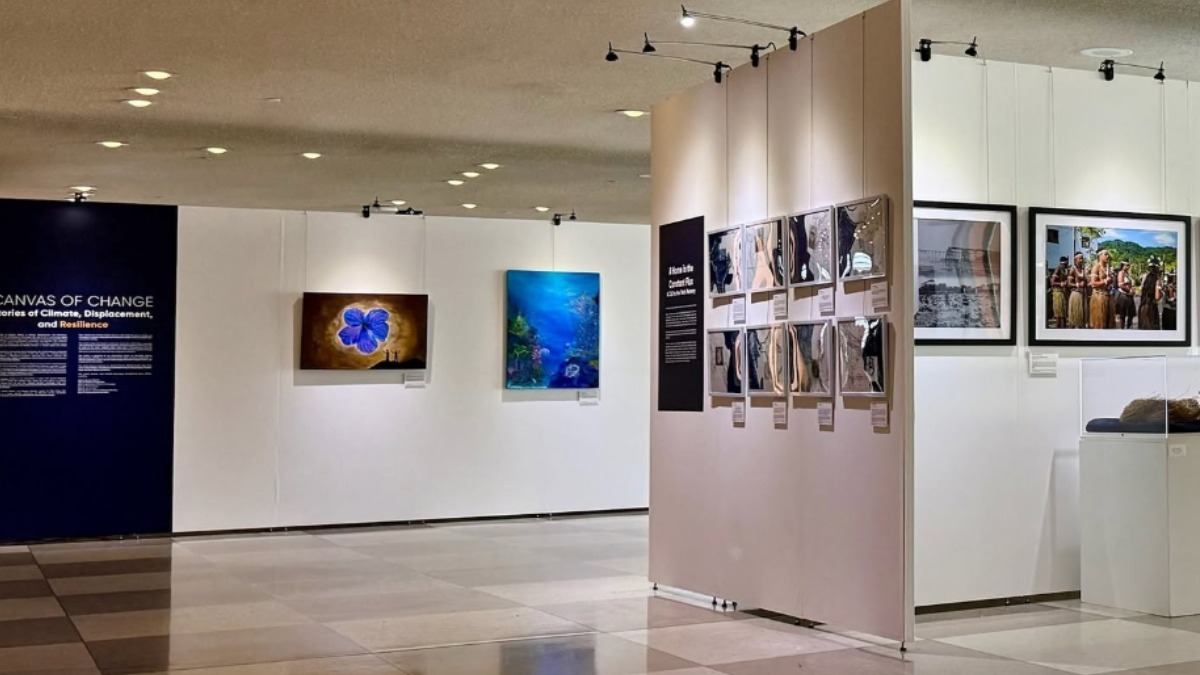
Artists of all types present works that resonate with peace, sustainability, cultural diversity, human rights, and global cooperation at the UN Headquarters. For Bengaluru’s artist, this is not just a personal achievement but also a very much appreciated opportunity to bring Indian art traditions and contemporary creative expression to an international audience.
The paintings are said to be the product of a mix of traditional Indian aesthetics and modern artistry. The artworks convey common values of harmony and resilience, environmental health and humanity - values that are all taken to the same level as the United Nations.
Art has long played a central role in international diplomacy since the beginning in both political and geographical spheres. At the United Nations, we have exhibitions that can invite visitors, diplomats, policymakers and delegates from member countries to express their cultural perspectives through creative expression.
Bengaluru artist's involvement highlights the growing global presence of Indian artists as well and their works are being included in top art galleries and museums worldwide. Indian contemporary art has gained a lot of attention in the last ten years for marrying centuries-old art with contemporary cultural and environmental issues.
Bengaluru is also a city that is a cultural and creative centre and being represented on such a high level. While Bengaluru is known globally for its technology and innovation ecosystem, today there is a growing community of painters, sculptors, photographers, digital artists, designers and creative entrepreneurs. Art galleries, cultural festivals, public exhibitions and collaborative projects have helped to develop artistic talent and create jobs for local creators.
The UN exhibition also serves as a good example of cultural diplomacy, where the exchange of art helps to make people-to-people relations better; and people from different parts of the world can also get to know of the diversity and richness of each other’s heritage and culture.
Visitors to the exhibition can see some fine artwork that addresses the current global problems of coexistence, environmental sustainability, equality and hope. These are issues that are very close to the United Nations mission of peace, sustainable development and global cooperation.
Art experts say that recognition at a United Nations institution can considerably increase an artist’s international profile. Participation in such exhibitions opens up opportunities with museums, galleries, collectors and cultural organisations around the world and can also encourage the new generation of artists to go international.
For Karnataka that makes the state’s contribution to India’s cultural life even bigger. The region has seen a lot of great artists work from traditional and contemporary art and international exhibitions allow one to see how many things are happening in India in visual arts and is a good way to see that.
The exhibition also shows the importance of supporting artists through institutional partnerships, cultural exchange programmes and international platforms that encourage cross-cultural dialogue. As global audiences are becoming more and more interested in diverse artistic voices, Indian artists continue to gain recognition for works that combine local identity with universal themes.
Bengaluru-based artist's recent show at United Nations Headquarters in New York is much more than an individual achievement of an individual artist, it’s an artistic and cultural accomplishment for India, a recognition of India’s artistic talent and cultural heritage on a global scale at a global level.
To be in one of the world’s most influential international institutions, the artist has shown how creativity can connect communities and contribute to peace, humanity, and sustainable development.
The achievement should inspire other aspiring artists in India (and particularly in Karnataka), and show that talent, originality and meaningful storytelling through art can be recognized in the world’s most prestigious events.








Comments
Leave a Comment