And in a world where infrastructure is often measured in numbers, budgets and profits, a few people are different because they measure success through the lives they touch.
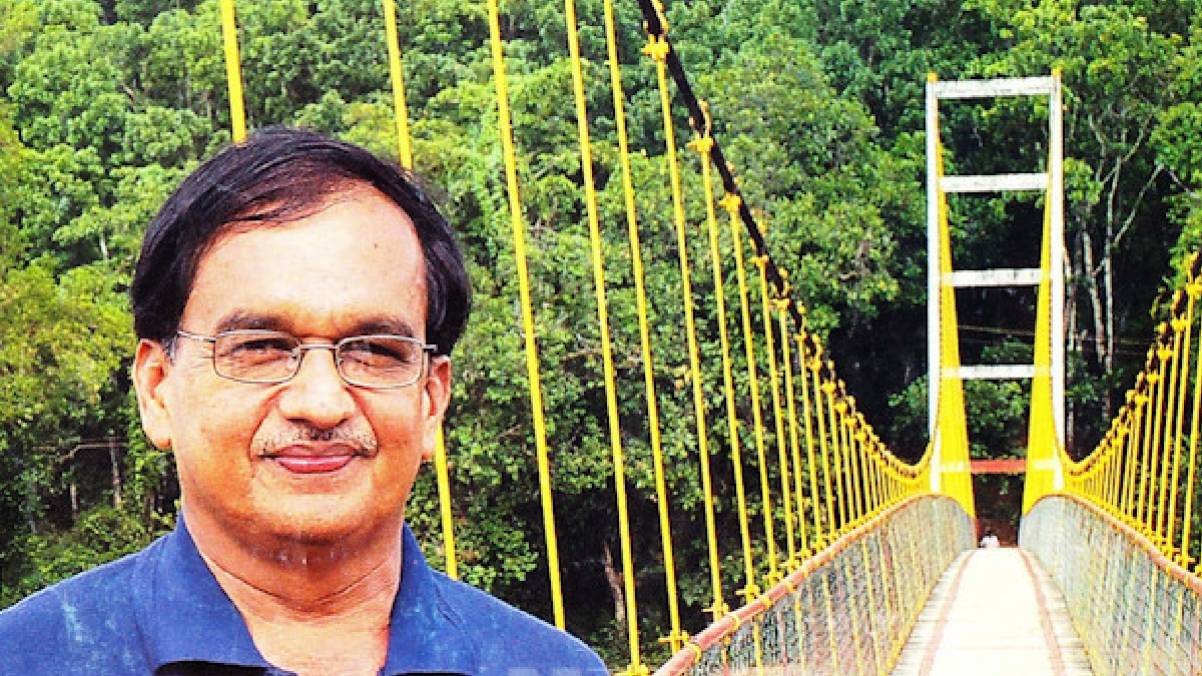
Dr. Girish, also known as the “Bridge Man of India,” epitomizes that kind of service and dedication. He built around 160 suspension bridges and became a symbol of compassion, engineering excellence and commitment to communities living in difficult terrains.
In many places, a bridge is more than a steel and concrete structure it is also an opportunity for education, healthcare, employment and a future. Dr. Girish understood this very well.
Many communities that had to build bridges that were only possible through rivers and valleys and inaccessible landscapes were safer and easier places to be.
The way he achieved this is so great and yet he didn't make money. Engineering would serve people, and he was motivated to bridge the gap, he said.
He made the engineering community look beyond success and put their tools to the public good.
Suspension bridges are technical in nature, they are ready for the most challenging rural areas and they are a matter of patience and creativity.
Dr. Girish’s work demonstrated how simple and effective infrastructure solutions can result in significant change in the most underdeveloped regions.
His contribution is a reminder that grassroots development is essential. Big infrastructure projects sometimes get national attention, but small community-based projects can have a far greater impact on people.
A single bridge can reduce travel distances, help children reach schools, enable farmers to access markets, and, in case of emergency medical assistance, provide emergency medical care.
The news of his death has been called a great loss for the state and for those who were impressed by his humanitarian approach to engineering. It is through his life that it is really not what you build but the job that matters.
Dr. Girish’s bridges will be the physical links of connection not only between two places but also between people, opportunities and dreams.
That is the legacy of all the people who go through those bridges and who live a safer and more connected life.
The “Bridge Man of India” is no longer present, but the paths he created will continue to carry stories of hope, dedication, and service for years to come.
His story shows that one person’s vision combined with compassion and technical experience can make a long-term impact on society.