The tulsi plant is a sacred and revered plant in Hinduism. Tulsi is not only a medicinal herb for us, but also a symbol of love and devotion, purity, and prosperity. In the courtyards, balconies, and gardens of many Indian homes, Tulsi is part of our lives; families have worshipped Tulsi daily, as it is the manifestation of divine energy and the home of Goddess Lakshmi.
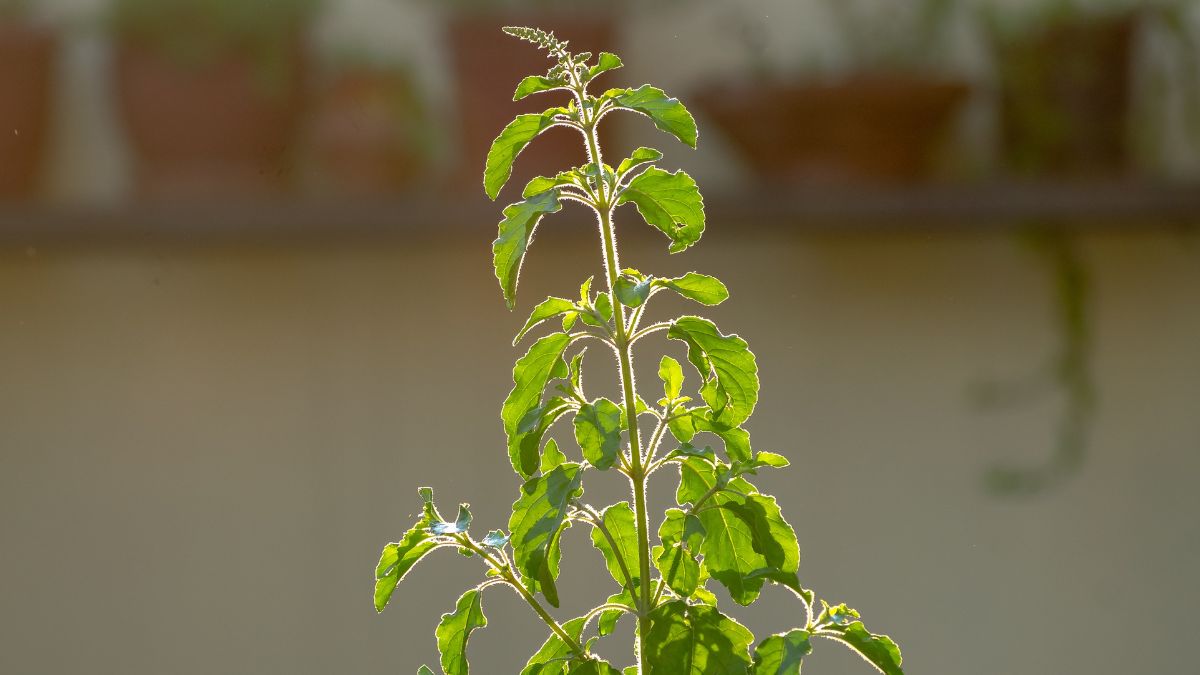
Tulsi is extremely precious to Lord Vishnu in Hindu scriptures. A home where Tulsi is worshipped with faith and devotion is a place of happiness, prosperity, peace, and the divine grace of Lord Vishnu and Goddess Lakshmi. But some people don’t know if it is good to keep more than one Tulsi plant at home. Vastu Shastra gives clear guidance on the matter.
Why is Tulsi important in Vastu Shastra?
Tulsi is one of the most powerful plants to bring good vibrations according to Vastu Shastra, the ancient Indian science of architecture and energy balance. Tulsi is also known for cleaning the environment and creating positive energy in a home; that is, the home’s atmosphere.
Tulsi has been a part of Hindu culture for centuries and household rituals. Vastu experts believe that a healthy Tulsi plant can help to create harmony, remove negative influences, and improve the whole spiritual atmosphere of a residence.
Can you plant more than one Tulsi plant at home?
According to Vastu Shastra, planting more than one Tulsi plant in a home is considered very auspicious. There is no restriction on keeping many Tulsi plants in the home. In fact, having several healthy Tulsi plants in the home can also help to bring more positive energy and spiritual vibrations in the house.
However, there is an important condition. The number of Tulsi plants should ideally be kept in odd numbers such as:
- 3 Tulsi plants
- 5 Tulsi plants
- 7 Tulsi plants
Odd numbers are believed to carry positive spiritual significance and are favourable in Vastu principles.
At the same time, homeowners should not plant too many Tulsi plants to the point of neglecting them. Ignoring the plants leads to drying or damage, which is considered inauspicious in traditional beliefs. Proper maintenance and regular worship are more important than simply increasing the number of plants.
What is the best direction to place a Tulsi plant?
The Tulsi plant has a great role to play in maximising its positive effects.
East Direction
The eastern part of the house is considered the most favourable location for planting Tulsi. This direction is associated with positive energy, spiritual growth, and prosperity.
Northeast Direction
The northeast corner, also known as the most sacred direction in Vastu, is another ideal place for Tulsi. Keeping the plant here is believed to give rise to peace, prosperity, and the blessings of Goddess Lakshmi.
Avoid the South Direction
Vastu experts advise against placing Tulsi in the southern direction of the house. The south is associated with ancestors and Yama, the deity of death. This direction is considered to be the source of negative energy and is not good for Tulsi.
Important Rules for Maintaining Tulsi
To receive the spiritual and Vastu benefits of Tulsi, some of the practices should be followed:
- The Tulsi plant should be placed in a clean area with adequate sunlight and fresh air.
- The Tulsi plant should remain healthy and green.
- Never let the Tulsi plant get completely dry.
- Water the plant every day except Sundays and Ekadashi, as is traditional.
- Offer prayers and keep the plant clean.
Tulsi is much more than a sacred plant; it is a symbol of faith, positivity, and divine blessings. So, as long as Tulsi plants are kept in a proper and preferably odd number, Vastu Shastra allows people to keep many Tulsi plants at home. Tulsi must be planted in the right way and follow conventional wisdom, so that the house will be a peaceful and happy place that is filled with good things.