In business, comfort can seem like success. Steady revenue, trusted customers, reliable processes, and long-known ways to do something feel safe. But this comfort can quietly transform into the most lethal threat to long-term growth. Comfort is a silent killer of business because it inhibits change, diminishes innovation, and blinds leaders to new risks.
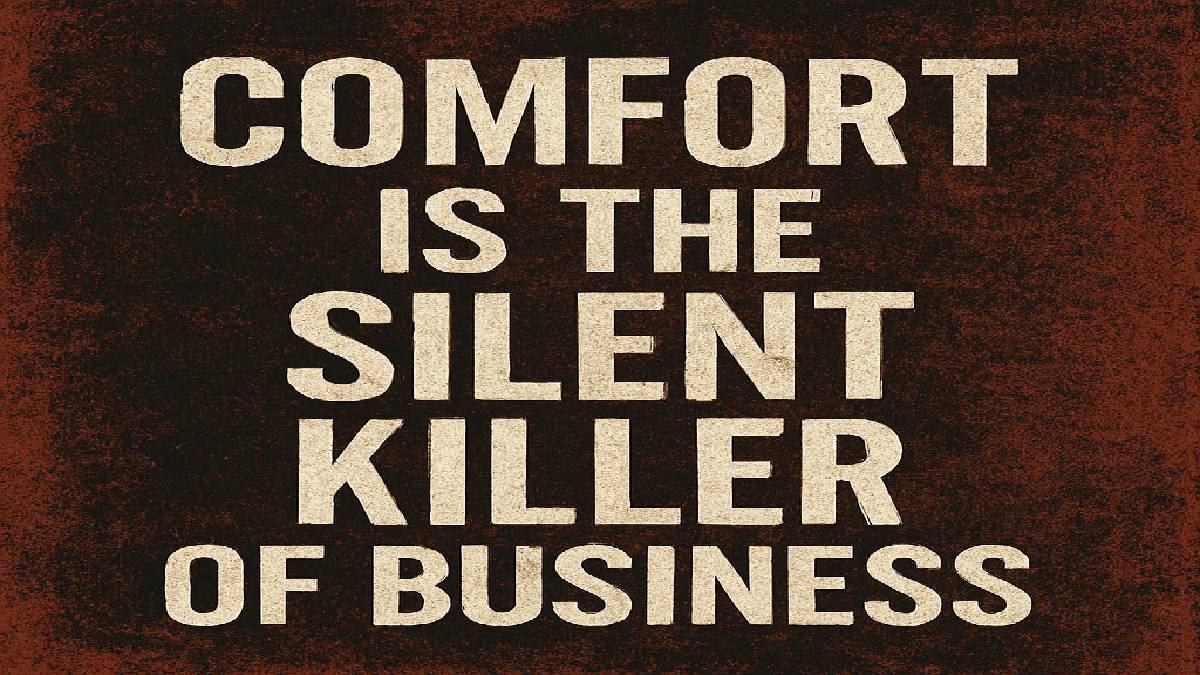
Once a business is comfortable, the urgency ceases to exist. Teams stop questioning processes and start relying on “what has always worked.” Decisions are made protecting the status quo, not to discover new opportunities. Eventually, faster, hungrier, more agile, more nimble competitors eat away at market share. And history is littered with well-known companies that were so successful, not because they lacked resources, but because they lacked the willingness to evolve.
Comfort also kills creativity. Innovation is uncomfortable experimenting, taking calculated risks, and failure sometimes a part of the process. A comfortable business will avoid failure, they think, forgetting that controlled failure leads to progress. In such environments, employees could become disengaged by working only as required and not as the actual process is possible. That leads to stagnation, not excellence.
Another danger of comfort is disconnection from customers. Markets change, customer expectations shift, and technology advances rapidly. Businesses who feel comfortable usually stop listening well to their customers. And by the time red flags are visible falling sales, shrinking margins, or reduced relevance it could already be too late. Companies doing business without a stake in their own comfort are challenging their own comfort.
They spend money on learning, facilitate innovation, and periodically review what they set up with new eyes. Leaders who are comfortable with discomfort are vigilant, flexible, and firm in the face of the unexpected. In the business world, comfort is supposed to be a signal as in, not time to breathe, but to get ready. Growth starts where comfort ends, and survival requires the courage to grow beyond it.