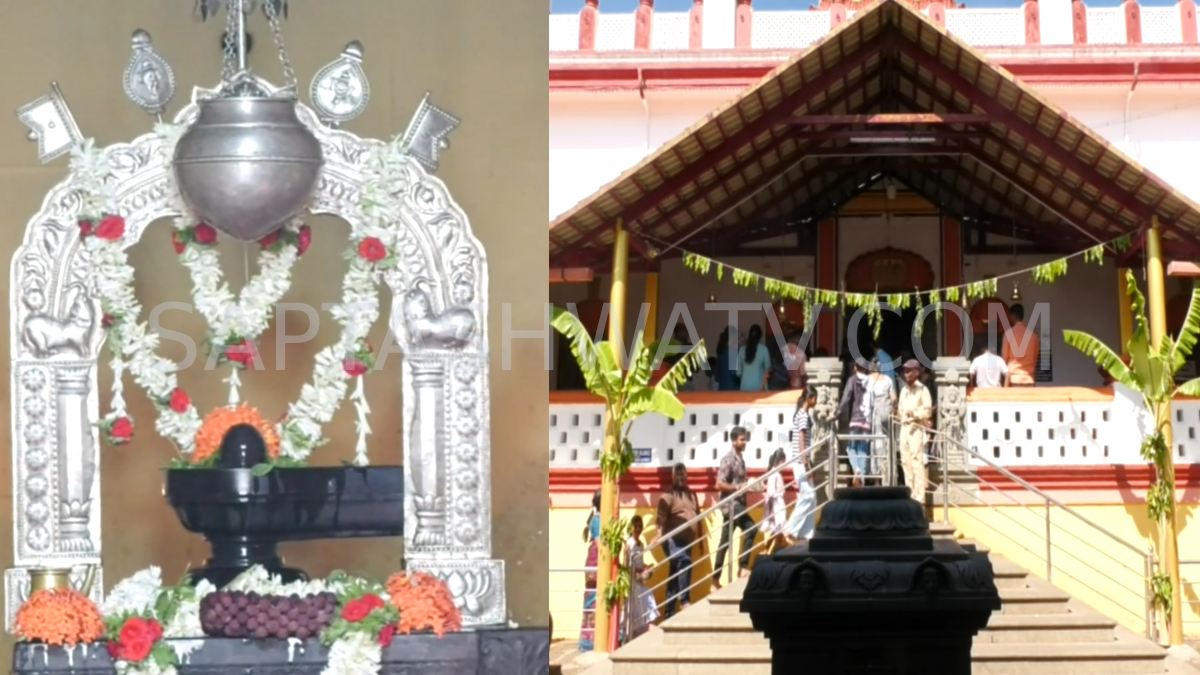
On December 12, 1785, the Kodava people of Kodagu (Coorg) endured one of the darkest tragedies in their long and proud history. At Devaatparambh (Devatu Parambu), Tipu Sultan’s forces carried out a massacre of staggering cruelty, killing nearly 60,000 Kodavas. This was not just a military campaign, it was an attempt to annihilate an entire generation, to break the spirit of an independent people through violence, forced conversions, and abductions. For the Kodavas, the Devaatparambh Massacre is more than a historical event; it is a wound that continues to shape their identity, a reminder of resilience born from unimaginable suffering.
Kodagu in the 18th Century
The 18th century was a turbulent era in South India. The decline of the Mughal Empire created space for regional powers to rise, and Mysore under Hyder Ali and Tipu Sultan sought to expand aggressively. Kodagu, a small but fiercely independent hill kingdom, resisted these attempts. The Kodavas, known for their martial traditions and deep connection to their land, refused to bow to Mysore’s authority. Their defiance set the stage for repeated confrontations, culminating in the tragedy at Devaatparambh.
Background to the Massacre
After several failed attempts to capture Kodagu due to the Kodavas’ skill in guerrilla tactics and their intimate knowledge of the rugged terrain, Tipu Sultan sought a different approach. He sent a message inviting Kodava leaders and their families from the ‘naal naad’ (four regions) for peace negotiations. The invitation promised an end to the decade-long war and offered reconciliation.
Trusting this gesture, the Kodavas gathered unarmed at Devaatparambh, located on the banks of the River Cauvery. They came in good faith, hoping for peace and stability after years of conflict.
The Massacre at Devaatparambh
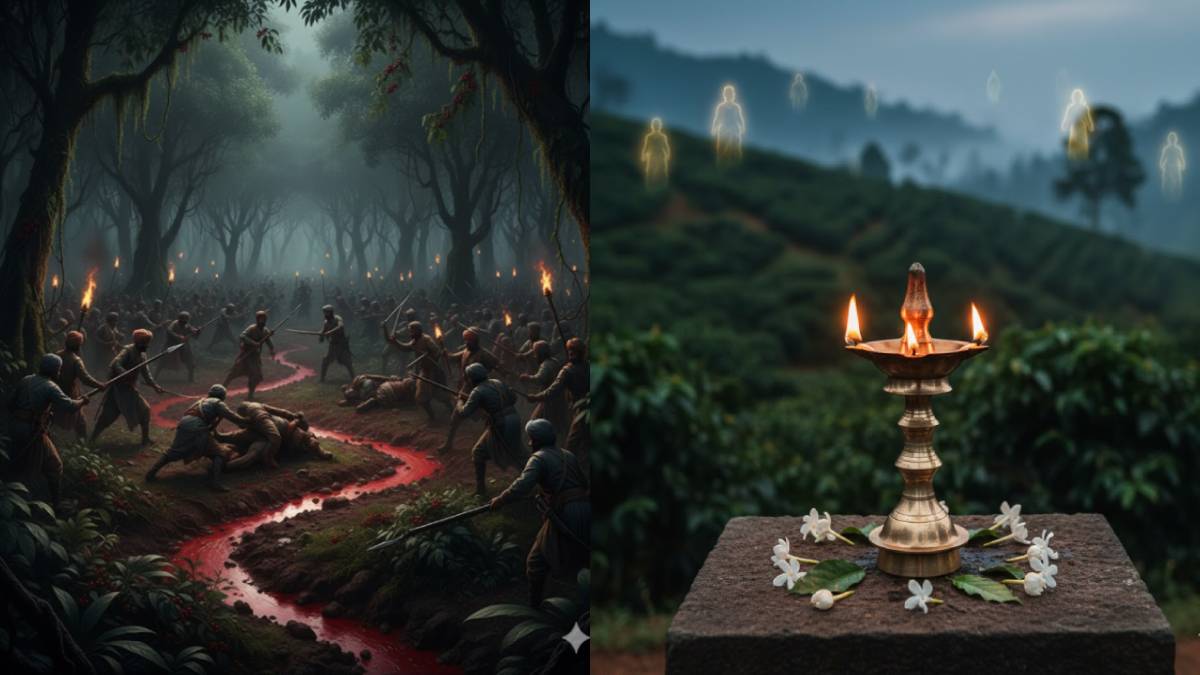
On December 12, 1785, Tipu Sultan’s army descended upon Devaatparambh. What followed was a massacre of unimaginable scale. Kodava men, women, and children were slaughtered without mercy. Oral traditions and community memory describe how 60,000 Kodavas were killed in a single day, wiping out entire families and generations. Survivors were subjected to forced conversions and abductions, uprooted from their homeland and taken into captivity.
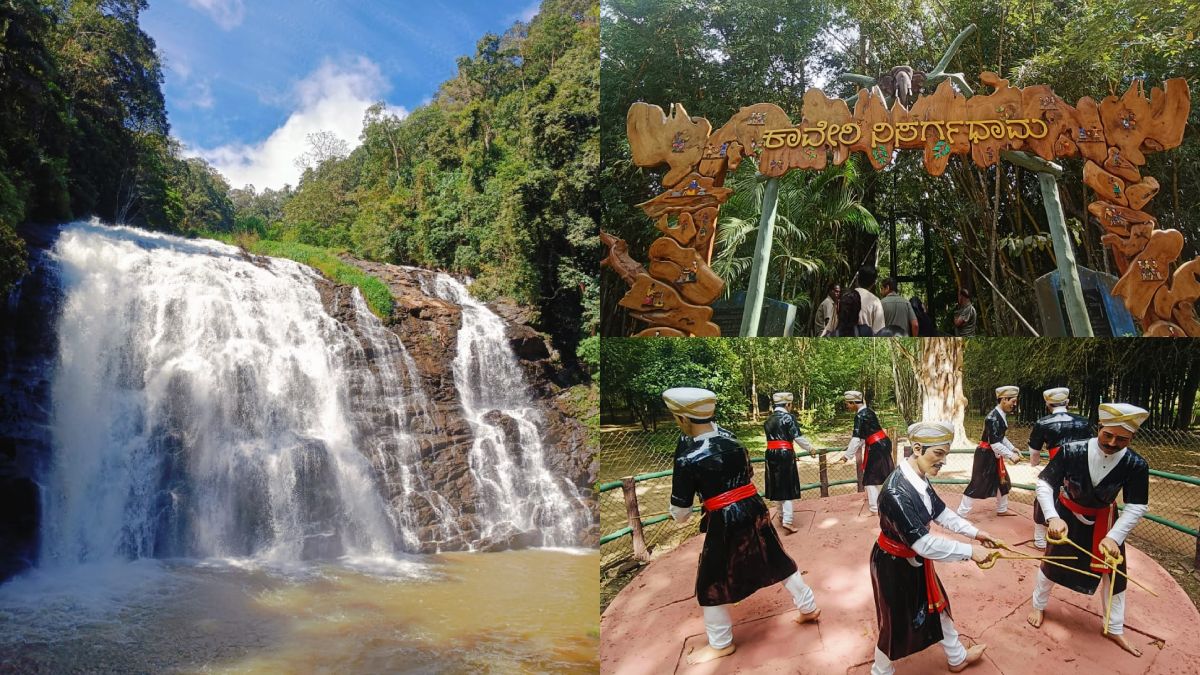
Devaatparambh became a place of anguish, where hope was crushed and families torn apart. The silence of the hills after the massacre was not peace, it was the silence of grief, heavy with the weight of injustice. The cries of the innocent seemed to linger in the air, echoing through the valleys, symbolizing both the destruction of lives and the attempt to erase an entire culture.
The survivors of the massacre were taken captive to Srirangapatna (Seringapatam), Tipu Sultan’s capital. Many were forcefully converted to Islam, while others were held in captivity under harsh conditions. The number of victims remains a subject of historical debate, but estimates range as high as 60,000, making it one of the most devastating events in Kodava history.
Symbol of Resistance and Suffering
For the Kodava people, Devaatparambh is not just a site of tragedy; it is a symbol of their resistance and survival. The massacre represents the cruelty inflicted upon them, but it also highlights their refusal to surrender their identity. Despite the violence, the Kodavas preserved their customs, language, and traditions. The memory of Devaatparambh became a rallying point, reminding future generations of the importance of unity and cultural preservation.
Annual Remembrance: Bolcha Bekkana
Every year, on December 12, the Kodava community gathers to honor the martyrs of Devaatparambh. In every Kodava household, at 7 PM in the evening, lamps are lit in a solemn tradition known as Bolcha Bekkana, meaning “Let’s light the lamp.” These lamps are not just flames, they are symbols of memory, grief, and defiance. Each lamp (Bolcha) represents the souls of the 60,000 Kodavas who were killed, the generation that never returned home. Lighting the lamp is both mourning and resistance, a way of saying that the Kodava spirit cannot be extinguished.
Historical Context: Tipu Sultan’s Campaigns
Tipu Sultan is often portrayed in mainstream history as a ruler who resisted British colonial expansion. Yet for the Kodavas, his reign is remembered for persecution and brutality. His campaigns in Kodagu were marked by massacres, forced conversions, and abductions. The Devaatparambh Massacre stands out as the most horrific of these events.
This divergence in narratives highlights the complexity of history. While some celebrate Tipu as a hero, the Kodava memory emphasizes the suffering he inflicted. Recognizing both perspectives is essential, but it is equally important to ensure that the voices of marginalized communities like the Kodavas are not silenced.
Silent Hills, Eternal Cries
The massacre left scars not only on bodies but on the soul of the Kodava community. The hills of Kodagu, usually serene, became silent witnesses to unspeakable suffering. The cries of the victims seemed to linger in the air, carried forward as a haunting reminder of injustice. The imagery of silent hills, eternal cries captures the depth of trauma and the enduring pain that continues to shape Kodava identity.
Legacy and Demands for Recognition
The Devaatparambh Massacre remains underrepresented in mainstream historical narratives. For the Kodava community, this lack of recognition is itself a form of injustice. Activists and leaders have called for:
- Official acknowledgment of the massacre as genocide.
- National memorial status for Devaatparambh.
- Inclusion in history curricula, ensuring future generations understand the sacrifices of the Kodavas.
- International awareness, framing the massacre within global discussions on human rights and indigenous struggles.
These demands are not about reopening old wounds but about honoring the memory of the victims and ensuring justice through remembrance.
Kodava Identity and Survival
Despite the trauma of 1785, the Kodavas endured. Their traditions, ancestor worship, martial customs, and unique festivals, continue to thrive. The Devaatparambh Massacre, while a tragedy, also serves as a testament to their resilience. It reminds the community of the importance of unity, cultural preservation, and resistance against forces that seek to erase their identity.
The annual lighting of lamps during Bolcha Bekkana is a powerful symbol of this survival. It shows that even though an entire generation was wiped out, the Kodava spirit continues to shine.
Conclusion
The Devaatparambh Massacre of December 12, 1785, where 60,000 Kodavas were killed, is a defining moment in the history of the Kodava people. It represents both the cruelty of oppression and the strength of resilience. For the Kodavas, remembering Devaatparambh is essential, it is a way of honoring ancestors, asserting identity, and demanding justice.
As the Kodava community continues to commemorate this tragedy each year, the call for recognition grows louder. The hills of Devaatparambh, once filled with cries of anguish, now stand as silent witnesses to history. Their silence is not forgetfulness, it is a reminder that the suffering of the Kodavas must never be erased.
The Devaatparambh Massacre is not just a story of the past; it is a living memory, a symbol of resistance, and a call for justice. To raise this history is to ensure that the world knows: the Kodavas were not defeated, their spirit was not broken, and their legacy endures. And as long as the lamps are lit each December 12th, the memory of those 60,000 martyrs will continue to shine, guiding the Kodava people with light born from darkness.