
Nestled in the lush folds of the Western Ghats, Coorg (Kodagu) is one of Karnataka’s most beloved hill stations. Often called the Scotland of India for its misty hills and rolling landscapes, Coorg is a destination that blends natural beauty, adventure, and cultural richness. From aromatic coffee plantations to cascading waterfalls, from wildlife sanctuaries to sacred temples, Coorg offers travelers a complete escape. In 2025, with improved infrastructure and eco‑tourism initiatives, Coorg is more accessible and inviting than ever.
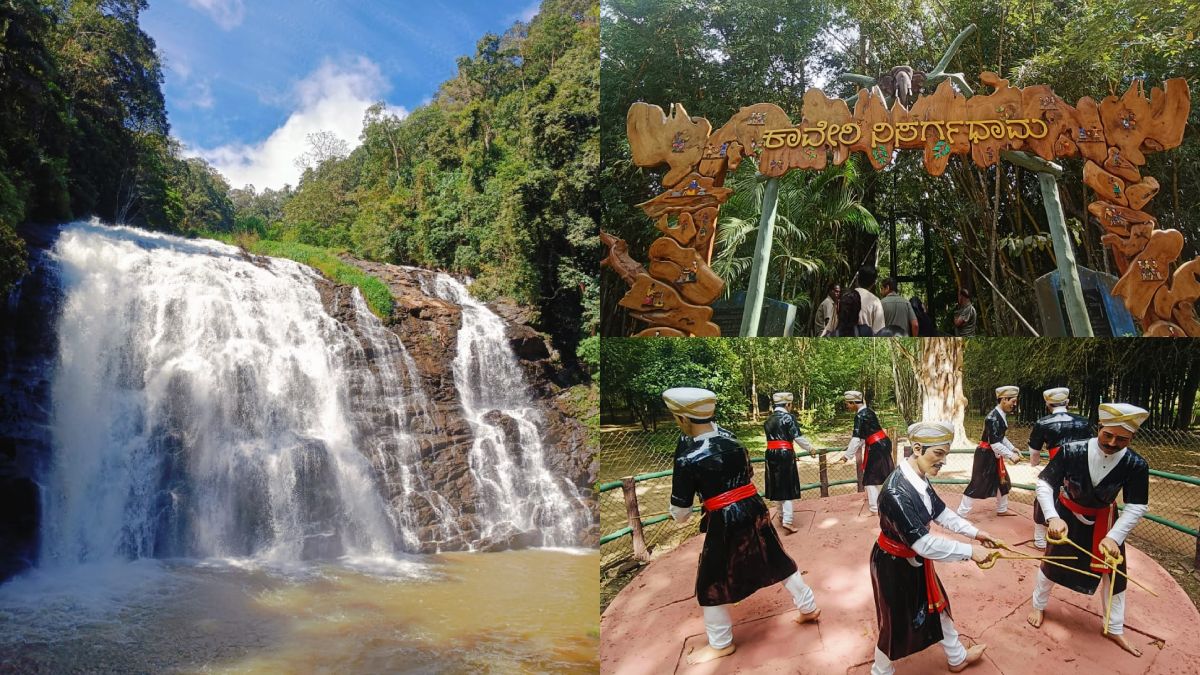
The Landscape and Climate:
Coorg’s geography is defined by undulating hills, dense forests, and fertile valleys. The region receives heavy monsoon rains, which feed its rivers and waterfalls, making it one of the greenest corners of Karnataka. The climate remains cool throughout the year, with misty mornings and pleasant evenings. October to March is the best season for trekking and sightseeing, while the monsoon months (June to September) transform Coorg into a lush paradise, ideal for those who love dramatic landscapes.
Attractions in Coorg:
Abbey Falls
Located near Madikeri, Abbey Falls is a spectacular cascade surrounded by coffee and spice plantations. The roar of water, combined with the fragrance of cardamom and pepper vines, makes it a sensory delight.

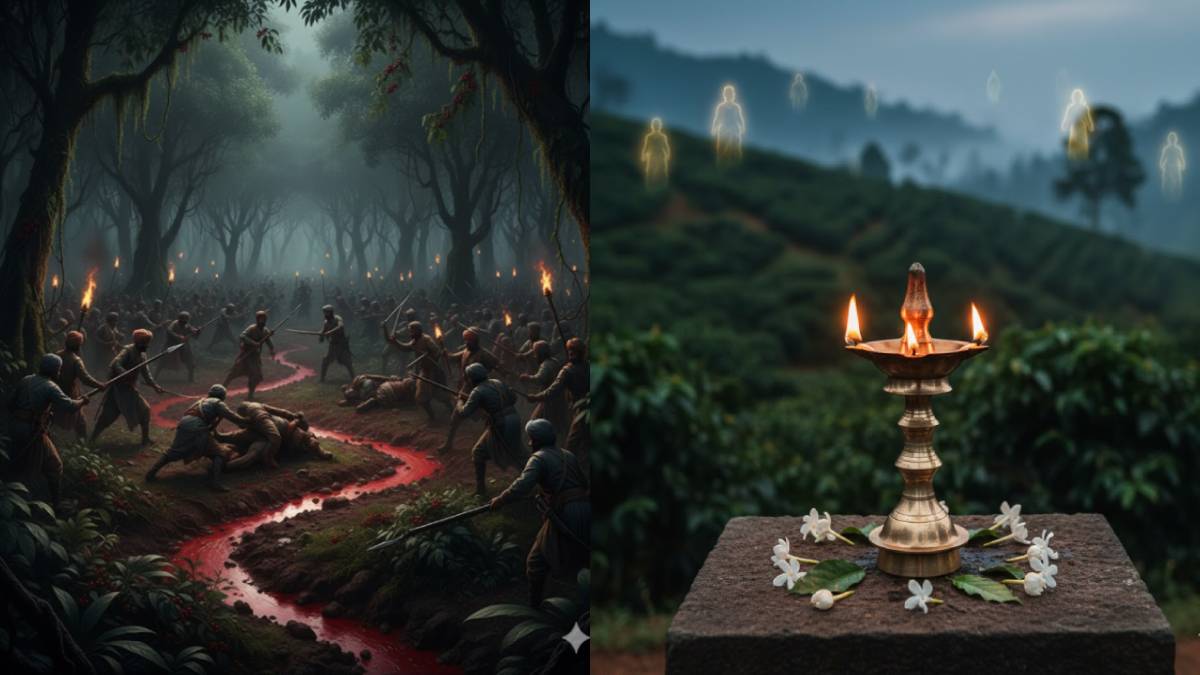
Raja’s Seat
This historic viewpoint was once the favorite retreat of Kodava kings. Today, it offers panoramic views of valleys and sunsets, with beautifully landscaped gardens adding charm.
Dubare Elephant Camp
A unique experience awaits at Dubare, where visitors can interact with elephants—feeding them, watching them bathe, and learning about their care. It’s both educational and unforgettable.
Nagarhole National Park
Part of the Nilgiri Biosphere Reserve, Nagarhole is a haven for wildlife enthusiasts. Tigers, leopards, elephants, and hundreds of bird species thrive here. Jeep safaris provide thrilling encounters with nature.
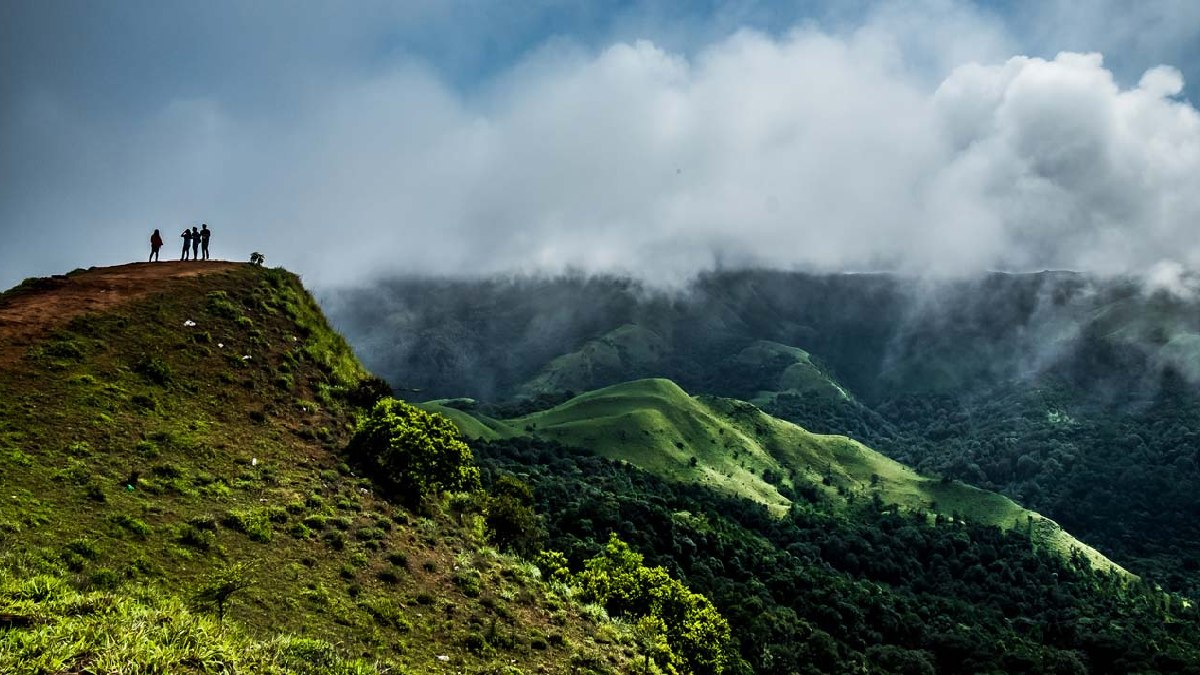
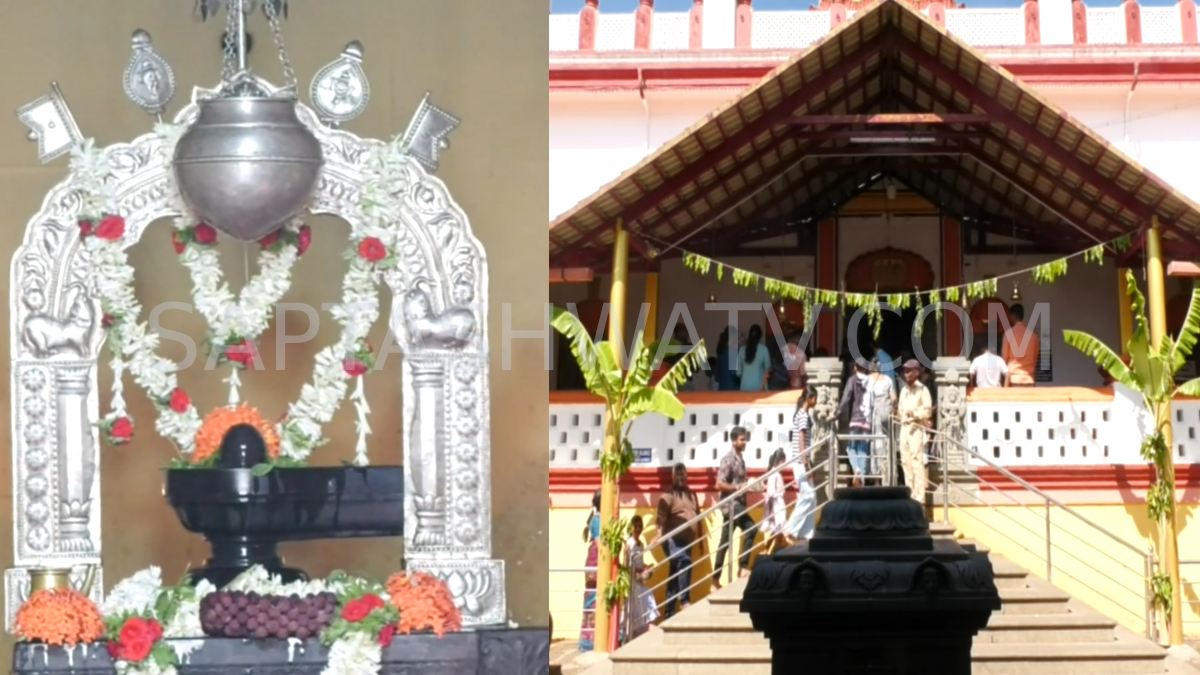
Talacauvery
This sacred site is believed to be the origin of the River Cauvery. A temple dedicated to Goddess Kaveriamma attracts pilgrims, while the surrounding hills offer breathtaking views.
Omkareshwara Temple
Built in 1820, this temple is a blend of Gothic and Islamic architecture, reflecting Coorg’s diverse cultural influences.
Adventure and Activities:
- Trekking: Coorg is a trekker’s paradise. The Tadiandamol Peak, the highest in Coorg, offers challenging trails and rewarding views. The Brahmagiri Hills are equally popular, with lush forests and wildlife sightings.
- River Rafting: The Barapole River provides adrenaline‑pumping white‑water rafting experiences, especially during the monsoon.
- Coffee Plantation Tours: Guided walks through estates reveal the journey of coffee from bean to cup. Visitors can sample freshly brewed blends and even buy artisanal coffee.
- Wildlife Safaris: Nagarhole and Pushpagiri sanctuaries offer jeep rides into the wilderness, perfect for spotting elephants, gaur, and exotic birds.
- Cultural Experiences: Witnessing Kodava dances, martial traditions, and festivals like Kailpodh (celebrating weapons) and Puttari (harvest festival) adds depth to any trip.
- Food and Culture:
Coorg’s cuisine is as distinctive as its landscape. The Kodava people, known for their martial heritage, have a food culture that blends spice, meat, and local produce.
- Pandi Curry: A spicy pork curry, considered the signature dish of Coorg.
- Bamboo Shoot Curry: Seasonal and tangy, showcasing local ingredients.
- Akki Rotti: Rice bread served with chutneys and curries.
- Homemade Wines: Made from fruits like passion fruit and gooseberry, these are popular souvenirs.
The Kodava community has its own language, attire, and customs. Their traditional homes, called ainmanes, are architectural treasures, often open to visitors during festivals.
Accessibility:
- By Air: The nearest airport is Mangalore (153 km), with Bengaluru International Airport also serving as a gateway.
- By Rail: The closest station is Mysuru (106 km).
- By Road: Coorg is well‑connected by highways from Bengaluru, Mysuru, and Mangalore. The drive itself is scenic, winding through forests and plantations.
Eco‑Tourism and Sustainability:
In recent years, Coorg has embraced eco‑tourism. Homestays in coffee estates allow travelers to experience local life while supporting sustainable practices. Efforts are underway to reduce plastic use, conserve forests, and promote responsible trekking. Travelers are encouraged to respect wildlife, avoid littering, and support local artisans.
Where to Stay:
Coorg offers a range of accommodations:
- Luxury Resorts: Nestled in plantations, offering spa treatments and infinity pools.
- Homestays: Family‑run estates where guests enjoy authentic Kodava hospitality.
- Budget Lodges: Affordable options in Madikeri and Kushalnagar for backpackers.
Travel Tips:
- Carry light woolens, as evenings can be chilly.
- Monsoon travelers should pack rain gear and waterproof shoes.
- Respect local customs, especially when visiting temples and ainmanes.
- Book safaris and plantation tours in advance during peak season.
Coorg is more than a destination—it’s an experience that lingers. Whether you’re sipping freshly brewed coffee in a plantation, trekking misty peaks, rafting down roaring rivers, or immersing yourself in Kodava traditions, Coorg offers a journey that nourishes both body and soul. In 2025, as Karnataka positions Coorg as a model for eco‑friendly tourism, visitors can expect not just scenic beauty but also a deeper connection with nature and culture.
Coorg remains one of India’s most soulful escapes—a place where mist meets memory, and every traveler finds a piece of home in the hills.









Comments