Chilli peppers are a staple of many cultures across the world with fiery curries and tangy chutneys and hot sauce and pickles; even if spicy food is associated with burning and watery eyes and may cause health problems in some form, nutrition experts say that chilli is good for health if it’s not so hot and spicy.
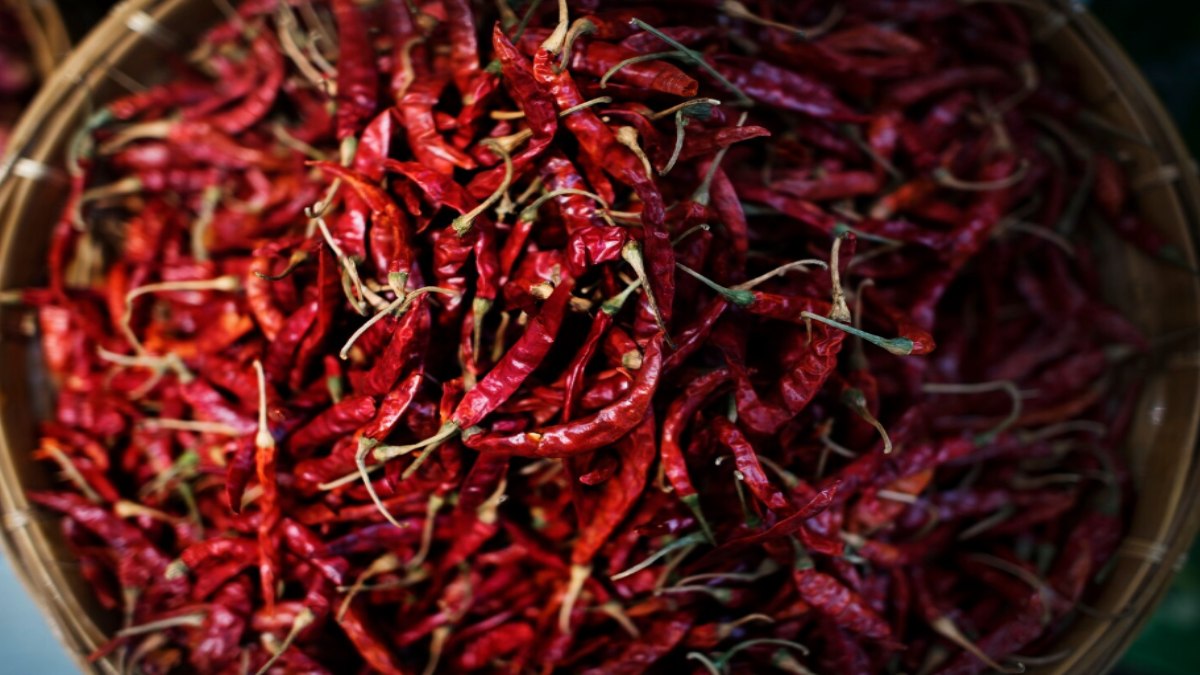
Capsaicin is the main compound responsible for the heat of chilli peppers and has been widely studied for its potential effects on human health. Capsaicin, in addition to pepper's pungency, can also contribute to metabolic, heart health and overall health.
Rich Source of Vitamins and Antioxidants
Chillies are rich in nutrients, even if they’re very small. Vitamin C is in them, and the body repairs tissues through vitamin C. Red chillies also have vitamin A which is essential for eyesight and good skin and for the immune system.
Chillies also provide antioxidants which protect cells from oxidative stress caused by free radicals. Antioxidants are helpful in reducing inflammation and in promoting long-term health.
May Help Boost Metabolism
Capsaicin has been of great interest to research scientists because it can temporarily increase the body’s metabolism. Some studies indicate that spicy food can increase calorie burning slightly through thermogenesis, the process in which the body generates heat and expends energy.
Although it is a modest effect, chilli in a balanced diet may in fact complement healthy eating and regular physical activity rather than be the main weight-loss treatment.
Supports Heart Health
Several studies have found that moderate chilli consumption may be associated with better cardiovascular health. Capsaicin has been found to increase blood vessel function and may also assist with healthy circulation.
Researchers are still looking into whether regular chilli intake may decrease inflammation levels and improve certain cardiovascular risk factors. But heart health is a health-wise issue, and a healthy lifestyle is one that consists of exercise, nutrition, sleep and tobacco use avoidance.
May Reduce Inflammation
Capsaicin has anti-inflammatory properties and as such has been studied in medical research. In fact, capsaicin is widely used in topical creams and patches to treat muscle pain, arthritis and nerve pain.
Chilli eating isn’t a replacement for medical treatment, though, but moderate amounts in the diet might serve to overall wellness as you make your diet.
Can Promote Digestive Health
Consistently, chilli consumption in a healthy person is not bad for the stomach. Some studies suggest that capsaicin might be a trigger for digestive secretions and help to facilitate healthy digestion.
But people with acid reflux, gastritis, peptic ulcers or irritable bowel syndrome may find that spicy foods exacerbate their symptoms. People with these conditions should consult healthcare professionals in order to determine what foods to consume.
May Help Improve Mood
Spicy foods can release endorphins, the body’s natural “feel-good” chemicals, which may be released after eating spicy food. These chemicals may lead to feelings of pleasure and temporary mood improvement.
And it’s that many chilli lovers also get adrenaline when they eat spicy food that has a big kick in them.
Moderation Is Essential
Chilli has its benefits but excessive consumption can be bad for health. Eating spicy food can be a cause for:
Heartburn, acid reflux, stomach irritation, indigestion, abdominal discomfort, temporary burning sensations.
People with existing gastrointestinal disorders have to be particularly careful and monitor how their bodies respond to spicy foods.
Healthy Ways to Include Chilli in Your Diet
As nutritionists recommend adding fresh or dried chillies to meals in small quantities instead of very spicy preparations. Chillies can be included in:
Vegetable curries, lentil dishes, soups, stir-fries, salads, homemade sauces, marinades.
Spicy foods with yogurt, curd or milk-based food may actually help to temper the heat and to provide some nutrients to be added.
A Balanced Approach to Healthy Eating
Health-care professionals stress that no one food can guarantee good health. Chilli should be viewed as part of a balanced diet of fruits, vegetables, whole grains, lean proteins, healthy fats and adequate hydration.
Chilli can be used to enhance both taste and nutritional value of meals when properly used. Its combination of vitamins, antioxidants and bioactive compounds makes it a crucial ingredient in many healthy behaviours.
For those who enjoy spicy food, the good news is that you don’t necessarily need to give it up. By practising moderation and paying attention to your body's individual tolerance, you can continue enjoying the fiery flavour of chillies while potentially benefiting from their nutritional properties.
So far, there is no doubt that for a person who loves chilli peppers, a little spice is a part of a healthy lifestyle when enjoyed responsibly.