Hepatitis is a disease that affects the liver, which is responsible for clearing toxins, making key proteins and digestion.
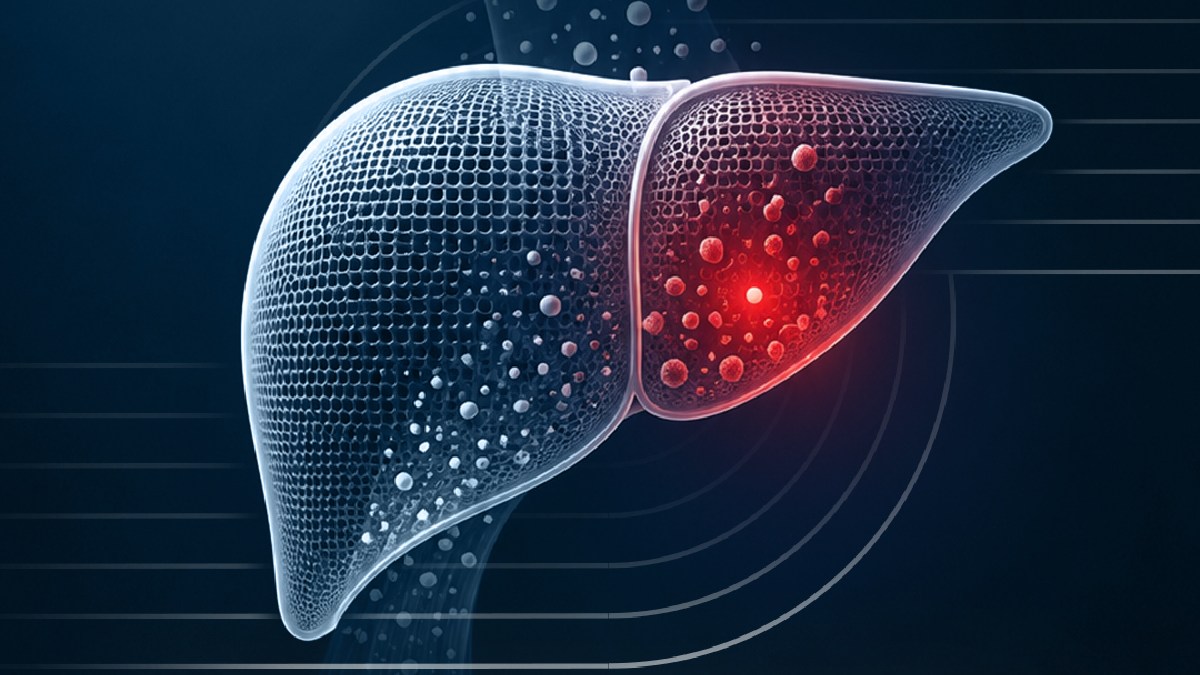
Some types of hepatitis will be treated and resolve themselves; others are chronic and cause serious complications i.e. liver cirrhosis, liver failure or liver cancer if left untreated.
There are five types of viral hepatitis: Hepatitis A, B, C, D and E. Each is caused by a different virus and spreads in different ways. Hepatitis A and E are generally spread through infected food or water and usually lead to short-term illness.
Hepatitis B, C and D are transmitted in the blood of the infected individuals, unprotected sex or during childbirth from mother to child. Hepatitis B and C are the most frequent causes of chronic liver disease worldwide.
One of the biggest challenges with hepatitis is that many infected people experience no symptoms during the early stages. This has earned it the nickname “the silent disease.”
When symptoms do emerge they may include fatigue, fever, nausea, loss of appetite, abdominal pain, dark urine, pale stools, joint pain and yellowing of skin and eyes, which is called jaundice.
Early diagnosis is very important, health experts say. A simple blood test can detect hepatitis infections and be able to give immediate treatment that can reduce liver damage. Antiviral medication is also more effective for Hepatitis B and Hepatitis C and has been shown to cure most cases of Hepatitis C, reducing the likelihood of complications.
Vaccination is still the most effective way to prevent hepatitis. Vaccines are available for Hepatitis A and Hepatitis B. But Hepatitis C has no vaccine and preventive measures are even more important.
Hygiene and clean drinking water, safe sex, avoiding sharing of needles or razors and sterile medical equipment are some of the best ways to prevent infection.
There is a need for chronic hepatitis patients to have regular medical check-ups to monitor liver health. Doctors recommend a balanced diet, avoiding alcohol, exercising regularly, and managing other health conditions like diabetes or obesity to protect the liver.
There are more than 1 billion people worldwide who are suffering from hepatitis and many of them don’t know they are infected, according to global health organizations. Increasing awareness, routine screening, and expanding access to vaccines and treatment are seen as important steps to eliminate viral hepatitis as a major public health threat.
Healthcare workers on World Hepatitis Day, particularly those in high-risk groups, encourage individuals to get tested even when they feel healthy.
Early diagnosis not only enhances treatment efficiency but also prevents infection spread to others.
Hepatitis is preventable and in many cases treatable; through understanding its causes, identifying the symptoms and taking preventive measures, one can safeguard liver health and reduce the risk of this potentially life-threatening disease.