Holika Dahan, a festival of bonfires, observed on the eve of Holi and has started to be one of the most searched topics in early March 2026. The festival this year is attracting unusual attention because of its rare overlap with a lunar eclipse (Chandra Grahan). Holika Dahan is a trending cultural event online, as people from all over India and the world are investigating the right date, puja timings and rituals.
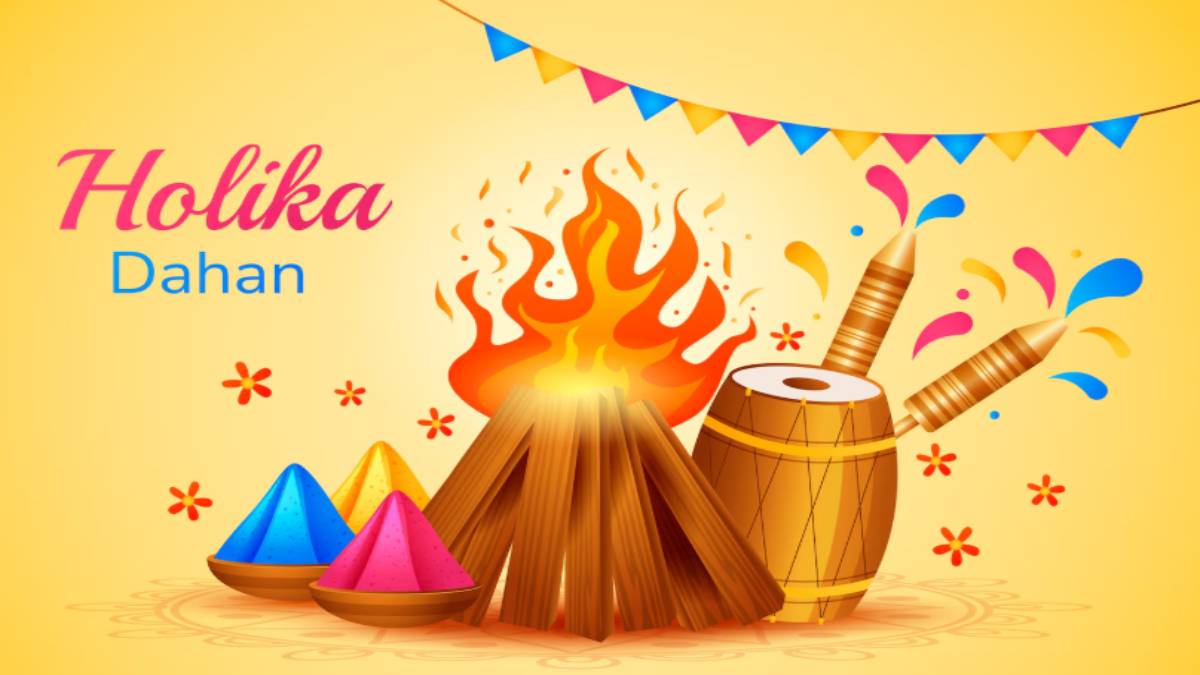
What is Holika Dahan?
Holika Dahan is a Hindu festival that celebrates the conquest of good over evil. Legend has it that Prahlada, a devotee of Lord Vishnu who was rescued from a fire, was burned instead. This bonfire signifies the destruction of negativity, followed by the victory of faith. Families gather around the fire, praying and purifying the evil spirits, in order to prepare to celebrate the beautiful Holi festival that starts the next day.
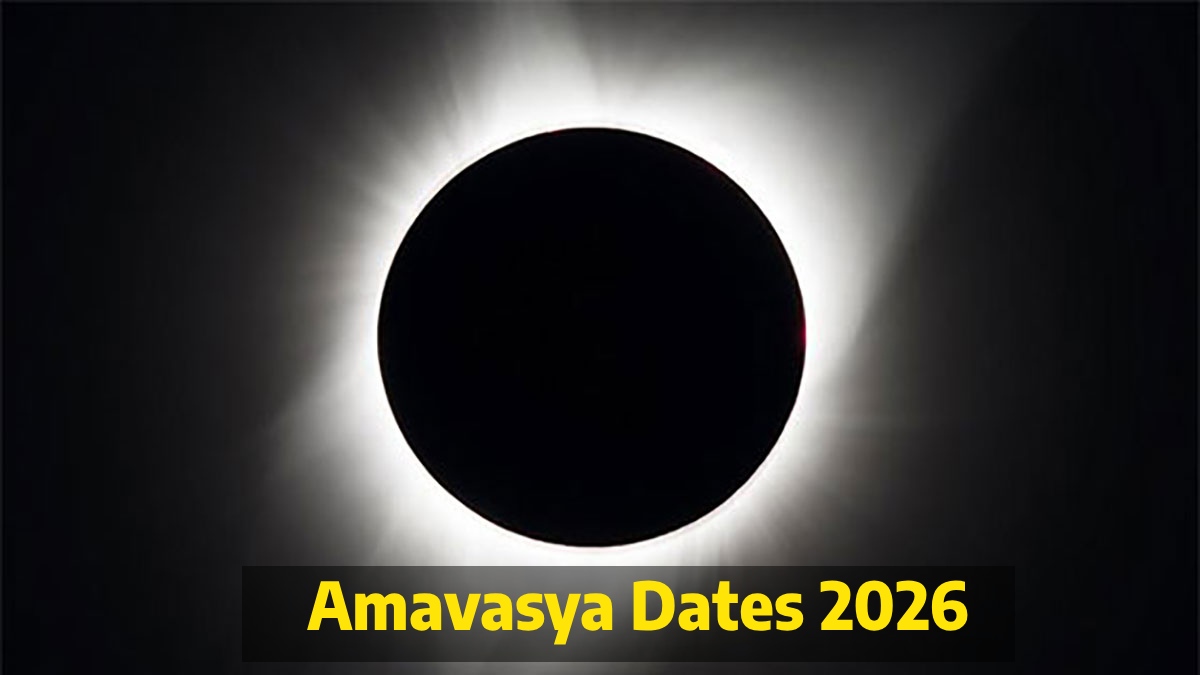
Holika Dahan is also trending because the timing of Holika is unclear. Typically the bonfire is set on the full moon night of the month Phalguna. But in 2026, full moon coincides with a lunar eclipse, and debates over whether the ritual should be performed on March 2 or March 3 have been among priests and astrologers. Consequently, people are turning to Google for clarity. Searches such as “Holika Dahan 2026 date and time”, “Holika Dahan puja vidhi” and “Choti Holi 2026” have skyrocketed. And that’s a sign that digital platforms are now at the center of cultural awareness enabling families to get ready for these practices that have been celebrated for centuries.
Regional and Global Interest
- India: UP, Maharashtra, Gujarat and Delhi, were among states that had greater search activity due to its strong community participation.
- Worldwide: Holi is celebrated around the world especially in big Indian communities like the US, UK, Canada and Australia. Overseas people are going to look for time slots for Holika Dahan according to local temple events.
- Social media: As a result of Instagram and Twitter posts about Holika Dahan decorations, bonfire rituals and cultural explanations, even more people will pay attention to it.
Rituals and Traditions
On Holika Dahan night, families collect wood and combustible substances to create a bonfire. As the prayers are spoken, offerings such as grains, coconuts and sweets are placed in the fire. The prayer is thought to wipe away evil and open the door for blessing with the blessings of life. Children perform traditional songs, while the elders tell the story of Prahlada and Holika to keep the cultural memory alive.
Why This Matters
The explosion in Google searches underscores how festivals are about more than spiritual aspects; they are about those social occasions that bring communities together. Holika Dahan is trending in 2026 which reflects how ancient ritual, technology and tradition come together. Digital tools are being used by people to verify rituals, timings and meanings, to make certain that cultural practices can remain relevant in a modern social environment. They also overlap with the lunar eclipse (and, hence, have also been discussed in terms of astrology, or faith, or science). Some still say that the eclipse affects rituals; others see the eclipse as a natural phenomenon that doesn't interfere with tradition. The debate itself has ramped up the online buzz.
Holika Dahan 2026 is a cultural moment rather than it being just a festival. This little wonder, given its timing with one of the world’s most unusual lunar eclipses, is what made it one of the most viewed topics on Google Trends, a testament to both curiosity and devotion. As families gather to light a bonfire, the festival remains a reminder to the rest of the world of good prevailing over evil. The festivities held in celebration of Holi the following day are a reminder that traditions in our modern digital age are as strong a bond of people’s friendships as the one of the past.