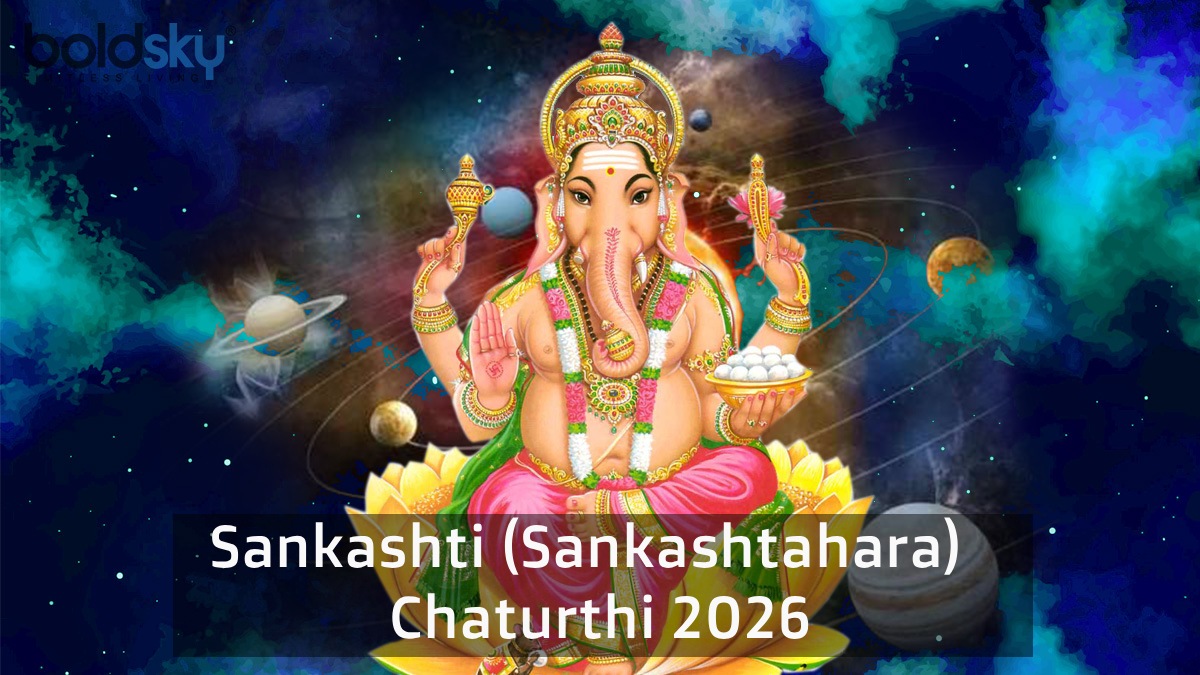
The year 2026 presents numerous opportunities for devotees of Lord Ganesha to seek his divine blessings through the observance of Sankashtahara Chaturthi, also popularly known as Sankashti Chaturthi or Sankatahara Chaturthi. This auspicious monthly observance is dedicated to the Elephant-headed God, the Vighnaharta (remover of obstacles), and is one of the most significant fasts in the Hindu calendar.
Sankashtahara Chaturthi 2026 Dates
Sankashtahara Chaturthi occurs on the fourth day (Chaturthi Tithi) of the dark fortnight (Krishna Paksha) of every lunar month.The fast is uniquely concluded only after sighting the moon (Chandrodaya).Due to variations in lunar calendar calculations and location-specific moonrise times, the exact day may sometimes shift.
Below is a calendar listing the dates for Sankashtahara Chaturthi in 2026, with the respective presiding forms of Ganesha for the month:
|
Month (English Calendar) |
Date (2026) |
Day |
Name of Ganesha Form |
|
January |
January 6 |
Tuesday |
Lambodara Sankashti (Sakat Chauth) |
|
February |
February 5 |
Thursday |
Dwijapriya Sankashti |
|
March |
March 6 |
Friday |
Bhalachandra Sankashti |
|
April |
April 5 |
Sunday |
Vikata Sankashti |
|
May |
May 5 |
Tuesday |
Ekadanta Sankashti (Angarki Chaturthi) |
|
June |
June 3 |
Wednesday |
Vibhuvana Sankashti |
|
July |
July 3 |
Friday |
Krishnapingala Sankashti |
|
August |
August 2 |
Sunday |
Gajanana Sankashti |
|
August |
August 31 |
Monday |
Heramba Sankashti (Bahula Chaturthi) |
|
September |
September 29 |
Tuesday |
Vighnaraja Sankashti (Angarki Chaturthi) |
|
October |
October 29 |
Thursday |
Vakratunda Sankashti (Karwa Chauth) |
|
November |
November 27 |
Friday |
Ganadhipa Sankashti |
|
December |
December 26 |
Saturday |
Akhuratha Sankashti |
Note on Angarki Chaturthi: When the Sankashti Chaturthi falls on a Tuesday (Angarak), it is known as Angarki Chaturthi and is considered exceptionally auspicious.Observing this one fast is believed to yield the merit of fasting on all 12 Sankashti Chaturthis of the entire year. In 2026, there are two such powerful occurrences: May 5th and September 29th.
The Significance of Sankashtahara Chaturthi
The term 'Sankashta' in Sanskrit means 'difficult time' or 'distress,' and 'Hara' means 'remover' or 'deliverer.' Therefore, Sankashtahara Chaturthi translates to the day for the 'Removal of Troubles.'
Lord Ganesha, the son of Shiva and Parvati, is revered as the God of Intellect, Wisdom, and the Supreme Remover of all obstacles (Vighnaharta).Hindus believe that observing the Sankashti Chaturthi Vrat (fast) with complete dedication can bestow the following benefits:
- Removal of Obstacles: The primary significance is seeking Lord Ganesha's grace to clear all hurdles—be they professional, personal, or financial—from one's life.
- Fulfillment of Desires: Devotees pray for the fulfillment of all their virtuous wishes and aspirations.
- Wisdom and Prosperity: Ganesha is the embodiment of knowledge and virtue, and worshipping him on this day is believed to bring health, wealth, happiness, and intellect.
- Spiritual Merit: The observance of the fast is said to alleviate sins and contribute to Moksha (salvation), purifying the mind and soul.
Mythology often cites the importance of this day, with one popular narrative stating that it was on a Chaturthi that Lord Shiva declared Ganesha superior to all other gods, honoring him as the first deity to be worshipped before any auspicious undertaking.
Vrat Rituals and Procedure
The Sankashtahara Chaturthi Vrat is a day-long observance, requiring strict adherence to rituals for maximum spiritual benefit.
Morning Rituals (Sunrise)
- Purification and Pledge: Devotees wake up early, take a purifying bath, and don clean clothes.They then take a solemn pledge (Sankalpa) to observe the fast with devotion.
- Ganesha Puja: The idol or image of Lord Ganesha is cleaned and decorated. Offerings typically include Durva Grass (Ganesha's favorite), fresh flowers, lamps lit with ghee, and incense.
- Fasting: Devotees observe a fast from sunrise until moonrise.This may be a complete fast (abstaining from food and water) or a partial fast, consuming only fruits, milk, water, and permitted foods like sabudana khichdi, peanuts, and potatoes.
Evening Rituals (Moonrise)
The evening Puja is the most critical part of the observance, as the fast can only be broken after sighting the moon.
- Worship and Katha: The Ganesha Puja is performed again in the evening. Devotees chant Ganesha Mantras, such as the popular one:
"Vakra Tunndda Maha Kaaya, Surya Kotti Samaprabha. Nirvighnam Kuru Me Deva, Sarva Kaaryessu Sarvadaa."
They also recite the specific Vrat Katha (story) associated with the lunar month's Sankashti Chaturthi. - Offerings (Naivedya): Special delicacies, most famously Modak (sweet dumplings), are offered to the Lord. Laddoos and other sweets are also common offerings.
- Moon Sighting (Chandrodaya): Devotees eagerly await the moonrise.Once the moon is sighted, they perform a ritual offering (Arghya) to the Moon God (Chandra), typically with water, sandal paste, rice, and flowers.
- Breaking the Fast: The fast is concluded by consuming the Prasad (sacred food offering) from the Puja, followed by a full meal.
Sankashtahara Chaturthi is more than just a fast; it is a profound act of devotion that fosters self-discipline, inner strength, and a deeper spiritual connection with the divine protector, Lord Ganesha.By observing this sacred day in 2026, devotees can pave the way for a year filled with success, prosperity, and the removal of all difficulties.