
International Women's Day, which is celebrated every year on March 8, is not a mere date on the calendar. It’s a mark of women’s battles, triumphs and the ongoing struggle for justice. What started as a labor movement in the early 20th century has blossomed into a global act that pays tribute to women and highlights the struggles they continue to endure.
The Early Beginnings
The concept of International Women’s Day has its roots with a demonstration in 20th-century New York City in 1908, when 15,000 women walked the streets demanding shorter working hours, better pay and the right to vote. The Socialist Party of America proclaimed its first National Woman’s Day in 1909. More than a year later, at a conference in Copenhagen, activist Clara Zetkin introduced an annual day for women’s rights. By 1911, it had already been observed by countries such as Austria, Denmark, Germany and Switzerland millions had walked into rallies.
Recognition by the United Nations
In 1977, the United Nations officially declared March 8 International Women’s Day, marking the movement’s gaining of international recognition. Since then, the UN has established annual themes that bring out various facets of women’s rights, from education and healthcare to leadership and climate efforts.
Why It Matters Today
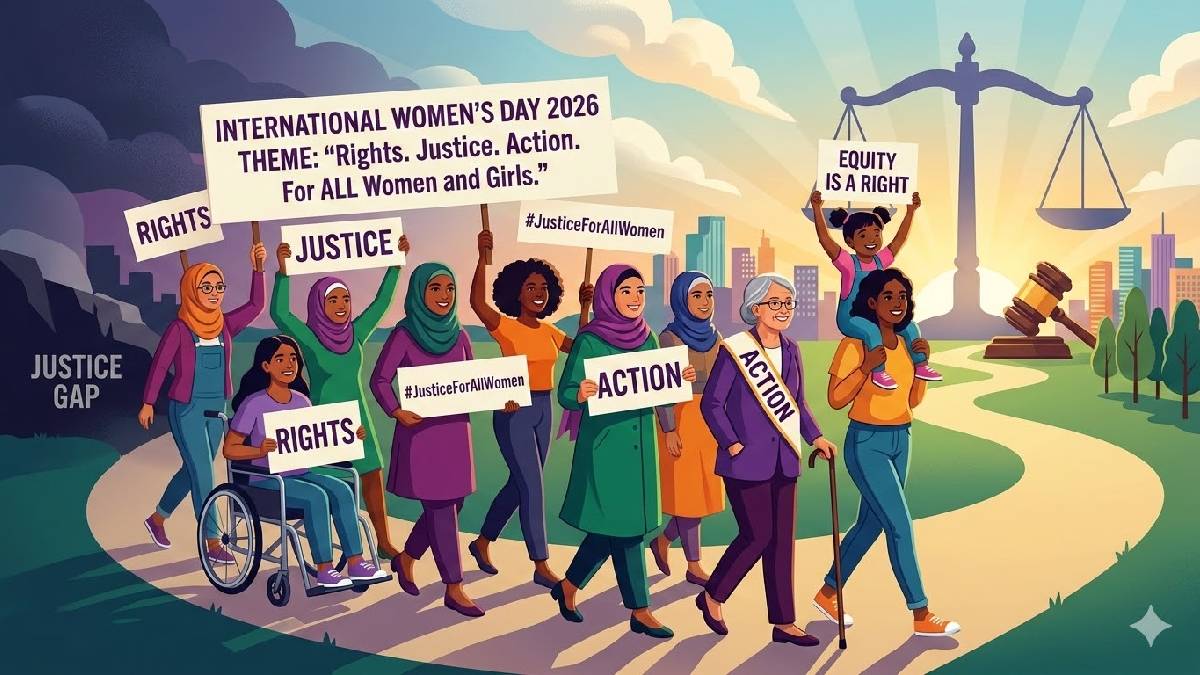
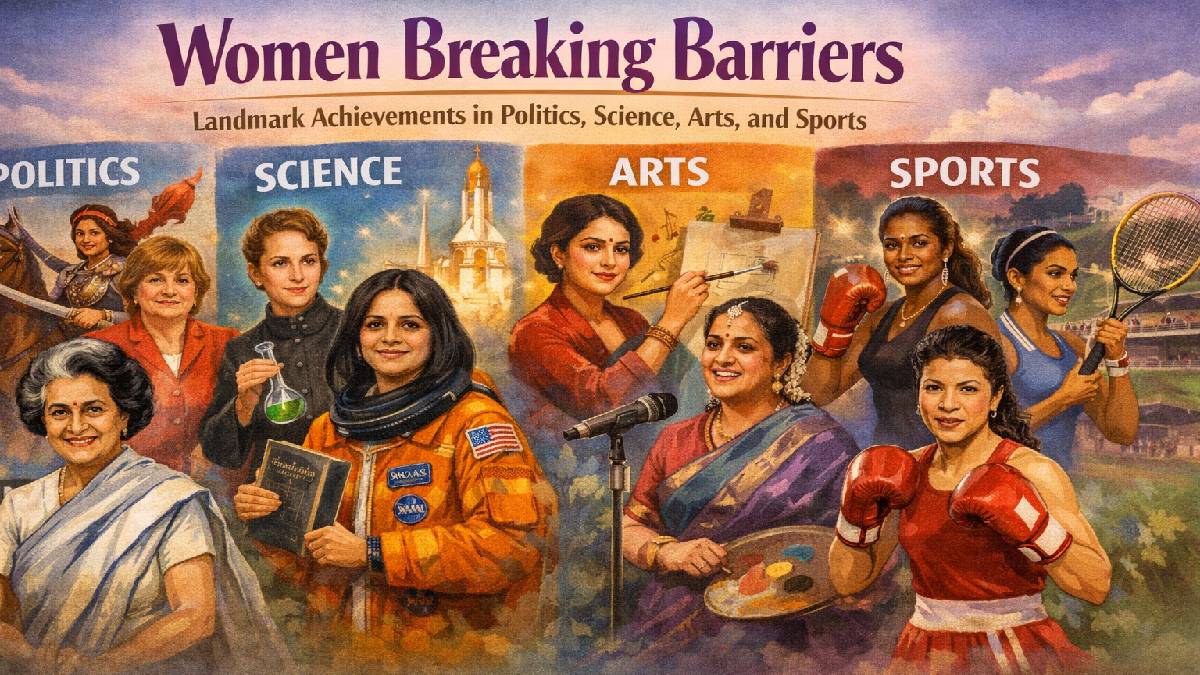
Even as women have made tremendous strides in politics, science, arts and business, inequality persists. Wage gaps, underrepresentation in leadership and gender‑based violence are frequent problems for many women. International Women’s Day matters because it:
- Recognizes achievements of women in all fields.
- Brings attention to continuing challenges.
- Stimulates action by governments, business sectors and communities.
- Draws voices from across cultures and countries together in a common cry for dignity and equality.
Modern Significance
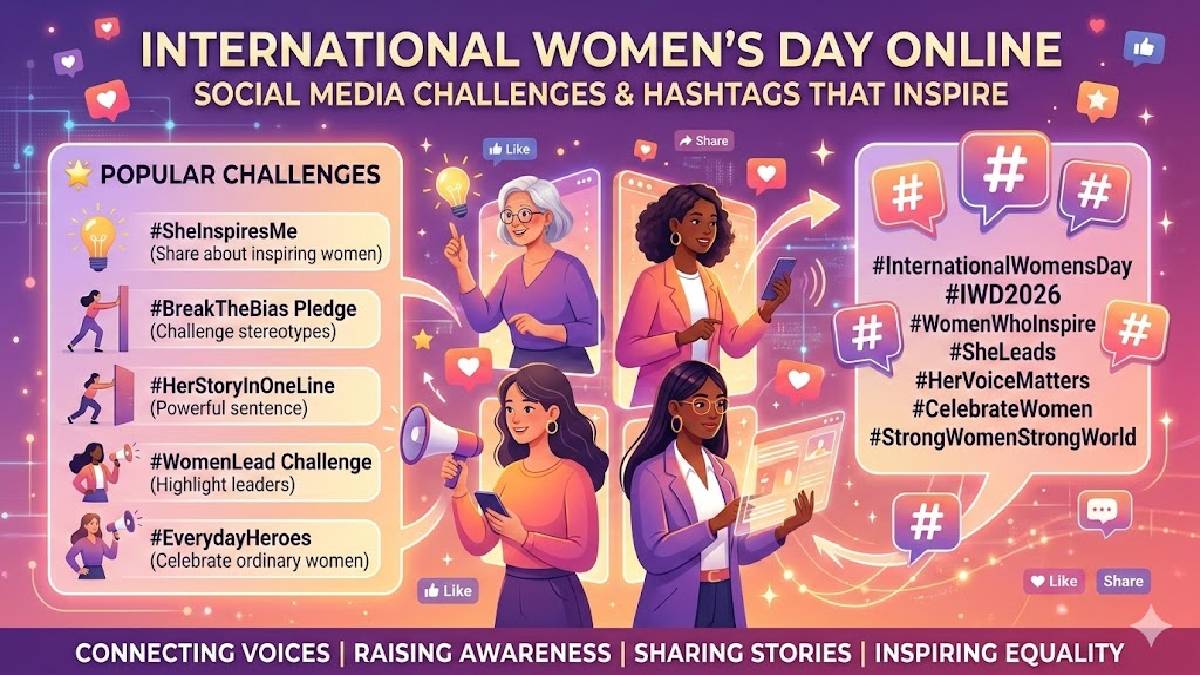
Today, International Women’s Day is a day for rallies, cultural events and campaigns around the world. Not just glorifying the most famous leaders, but also inspiring and respecting everyday women who are extraordinary contributors to families, workplaces and communities. The day also inspires younger generations to fight for a fairer and more equal world.
From its origins as labor protests to its recognition by the United Nations, International Women’s Day has become a powerful global movement. Why it matters today: It illustrates that equality has come a long way but is far from over. And then it is, and this: the world takes another step towards a fairer and more inclusive future by recognizing and uplifting women and confronting challenges.




Comments
Leave a Comment