Magha Purnima is one of the most spiritually powerful and auspicious days in the Hindu month of Magha, the full moon day of the Hindu month of Magha, which is not only referred to as one of the four days of Hindu Vedic Calendar, but is often considered as one of the most auspicious for the year.
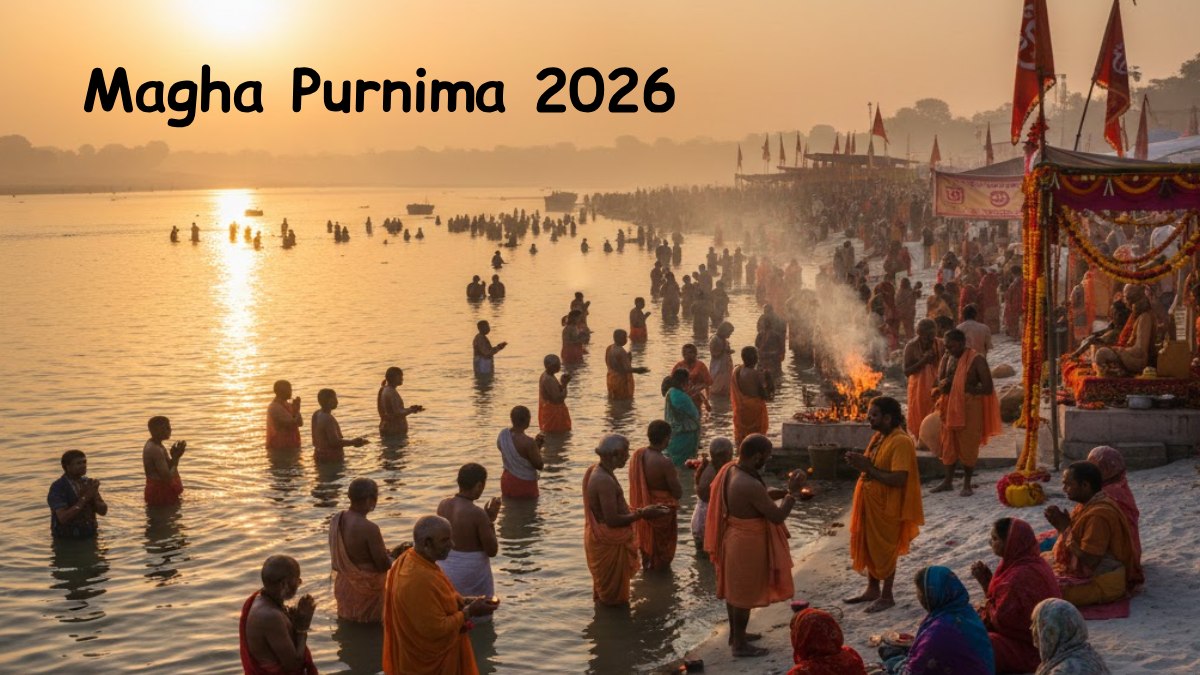
It is a solemn service to observe a day of spiritual purification and prosperity following Magha Snan (holy bathing) and the last day of the month-long Magha Mela and at that time, the holy day of the month of Magha Mela in India, that day's complete day is celebrated at Triveni Sangam in Prayagraj which is in Prayagraj.
As per Hindu Panchang, the month of Magha is the last day of yoga and the time for worship, in 2026, the Purnima Tithi starts at the 2nd devotional session at Varnaya Baru which is on Sunday, February 1, 2026, when devotees from Kita Maradaurati (the sacred day of worship to Chikutam or "wish) for the day of worship and prayers at the time of the worship of the Shubh Muhurat and this day will be considered a holy worship.
This special worship period of the Indian Panchang is celebrated on Sunday, February 1, 2026, in accordance with The Shubh Muhurat.
| Event | Timing (IST) |
| Purnima Tithi Begins | 05:52 AM on Feb 1, 2026 |
| Purnima Tithi Ends | 03:38 AM on Feb 2, 2026 |
| Brahma Muhurta (Ideal for Bath) | 05:24 AM – 06:17 AM |
| Moonrise Time (for Arghya) | 05:46 PM (approx.) |
The Spiritual Power of the Holy Bath (Magha Snan)
In the ancient scriptures such as Padma Purana and Bhagavata Purana, it is pointed out that bathing with holy rivers like the Ganga, Yamuna (soul purification water), or Cauvery on Magha Purnima equated to performing thousands of Ashwamedha Yagnas. On the day of the year, the rays of the moon and the alignment of stars are thought to infuse the water with nectar-like properties.
- Purified-seeds: It is hoped that a dip in the holy water can cleanse both past and present lives of these “karmic debris”.
- Austerity and discipline: Walking into the Brahma Muhurta: waking up is a sign of discipline and cleanliness, as it helps one practice washing oneself in cold water until one's body becomes more physically and mentally vigorous as well, and it draws human mind back from its natural focus and mind from its worldly affairs and drifts toward the world around it.
- The Sangam, a ritual of worship: For millions of Kalpavasis (those who devotees living, over a month, a monastic life under an auspiciously peaceful rule, at the Sangam), Magha Purnima serves as the emotional terminus of their meditation in the divine.
The Power’s ‘Daan’ of ‘Charity’ and Fasting
In Sanatan Dharma, it is believed that the merit of charity performed on Magha Purnima by the saint of Magha Purnima multiplies a thousand times that performed there in any given day. The entire day is dedicated primarily to Lord Vishnu, worshipped as Lord Satyanarayan, and the Moon God Chandrama.
Satyanarayan Puja: Most families observe a fast and perform the Satyanarayan Katha later in the evening to invite prosperity and peace.
Specific Donations: Giving sesame seeds (Til), blankets, food (Annadan), ghee, clothes and katyara to the poor is also considered very meritorious. Giving white goods such as rice or sugar is said to deepen the Moon’s hold in one’s horoscope, promoting emotional stability.
Ancestor Worship (Pitru Tarpan): Also very auspicious on this day here. According to mythological beliefs, the gods are said to walk down this day to Earth in human form to bathe in the holy rivers. The faithful say that genuine practice of the Magha Purnima fast wipes out fear, disease and sadness and brings humanity the goal of that day salvation.